

Analysis
Socialist anti corruption drive should never stop!
Dec 30, 202506:57 PM

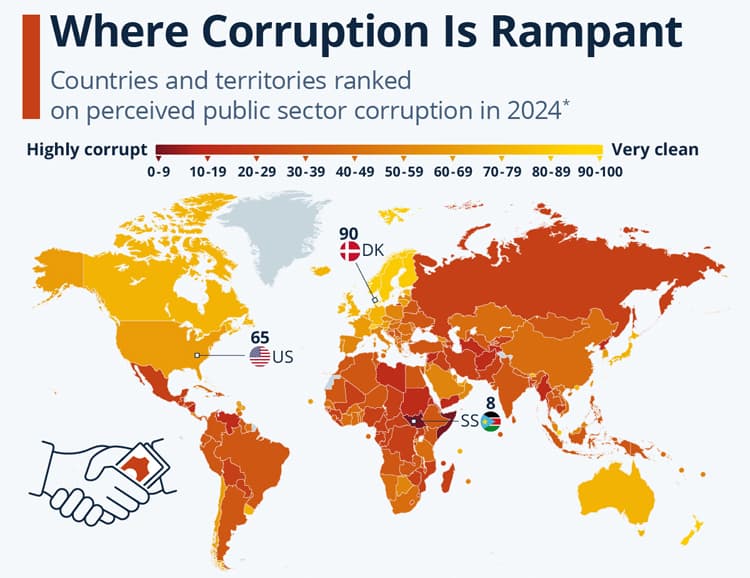
By Prof. Samitha Hettige Sri Lankans defeated their Socialist government in 1977 due to reasons including corruption which may have been a result of far too state controls. The successive government ruled for 17 years & was later referred to as the 17 year curse by some. During the period most senior public officials started using ‘Pajero’ jeeps & some in the opposition interpreted it as ‘Pagava & Jarava’ (i.e. bribery & corruption). Malaysia’s Mahathir Mohammed once said corruption is relative & prevails everywhere. Corruption is defined as illegal, bad, or dishonest behavior especially by people in positions of power (Ref. Cambridge). Corruption was a key factor during elections & Sri Lankans made an unprecedented decision to appoint a new group believed to be with socialist ideologies in 2024 to reduce bribery & corruption. With the development initiatives to be implemented plus the ‘Ditwah’ rehabilitation, people & policy makers will have to be extra vigilant in battling bribery & corruption. In that effort the latest move by the Communist Party of China (CPC) which manages the world’s 2nd largest economy would be very useful. How does China manage corruption? The Political Bureau of the CPC central committee met on Thursday to review discipline inspection work & set priorities for 2026 to strengthen China's fight against corruption. At the meeting Chinese President Xi Jinping has stressed that clean governance & combating corruption is a journey without end. Chinese leader’s view on having a corruption free party to ensure national economic growth is a lesson for Sri Lankans. The meeting had reaffirmed the implementing of CPC's ‘8 point decision’ on improving party & government conduct encouraging official behavior more standardized & institutionalized (Ref. Media). The ‘8 point decision’ was adopted by the CPC leadership in December 2012 addressing chronic bureaucratic issues, official privileges, extravagant banquets & research tours etc. Western analysts have indicated that these regulations clearly show the difference between China's approach in dealing with corruption & absence of such in the west. They have noticed how China's laws extend from major issues to details such as official meals & business trips observing a complete difference in the approach. President Xi’s vision on focusing on the number of problems solved & not the number of meetings held, number of speeches given & number of documents completed is a good lesson for public leaders. The Chinese belief on the relationship between tangible results & the commitment of public officials is a good lesson for Sri Lankans to ensure public funds reaching those who need it most. The ‘8 point decision’
- Grassroots Research: Better understanding of actual conditions through in depth studies.
- Streamlined Meetings: Making meetings more efficient & improving conduct.
- Concise Documents: Reducing paperwork & improving writing.
- Standardized Visits Abroad: Regulating procedures for working trips.
- Improved Security: Observing principles that improve relations with the people.
- Better News Reporting: Enhancing media coverage.
- Strict Publication Rules: Controlling articles published by officials.
- Frugality & Anti-Corruption: Promoting simple living & strict observance of anti-corruption rules (Ref. IDCPC).