


Senior Indian Environment Ministry Official Dr. Ramesh Pandey shares lessons from India’s landmark highway mitigation projects at Colombo roundtable
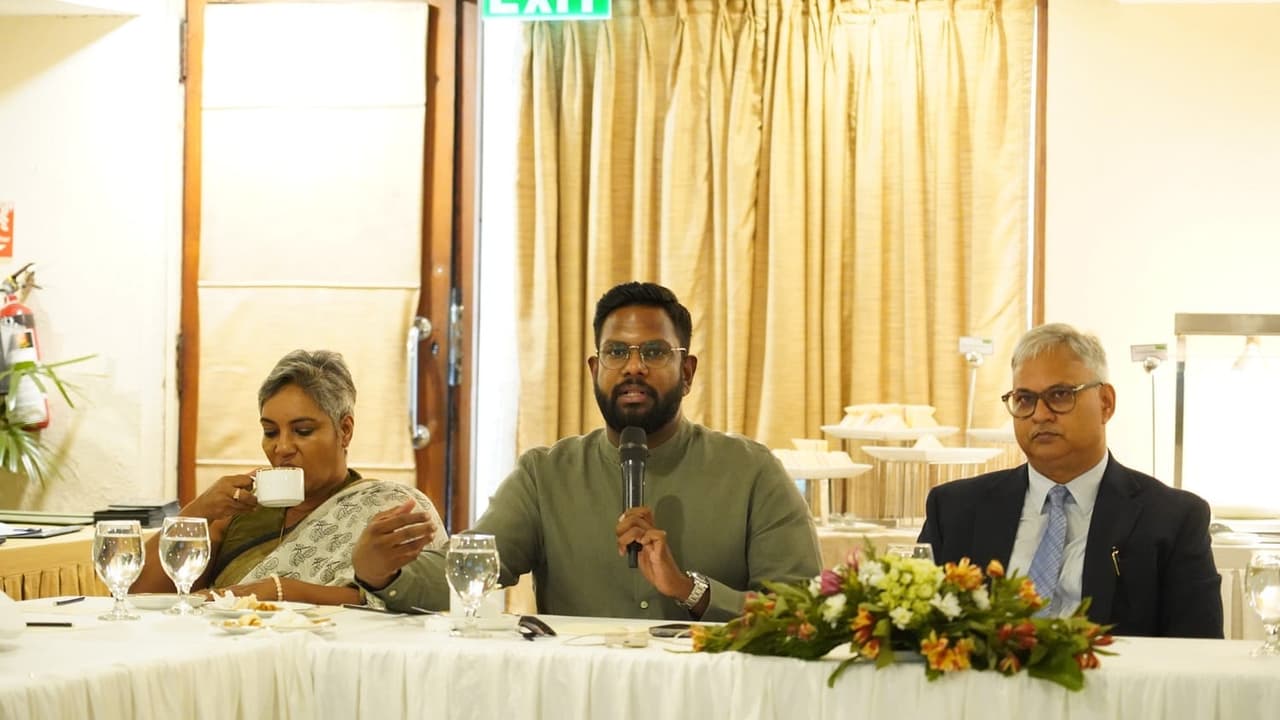
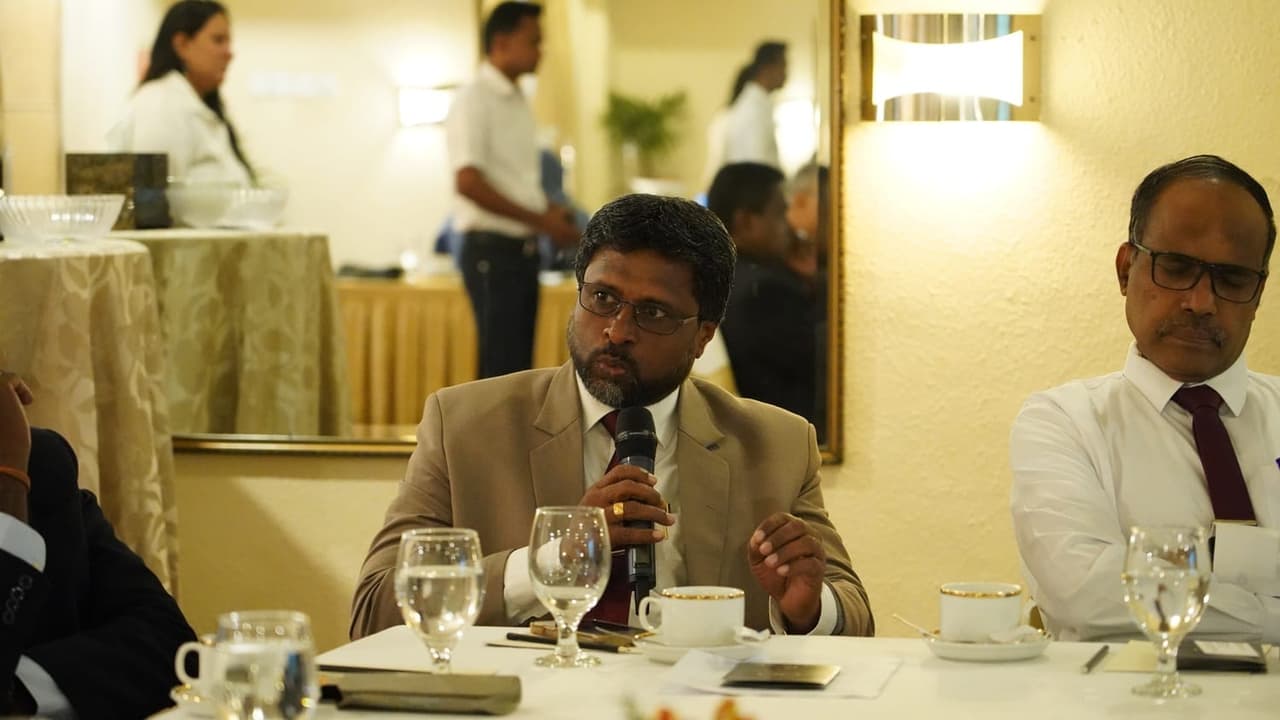
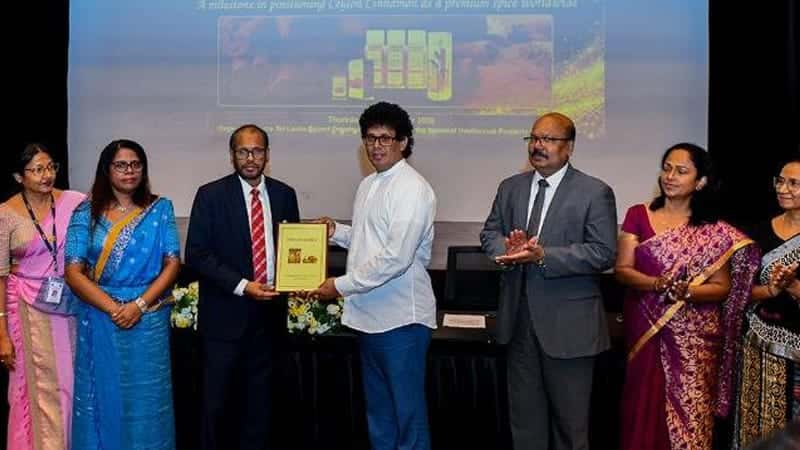
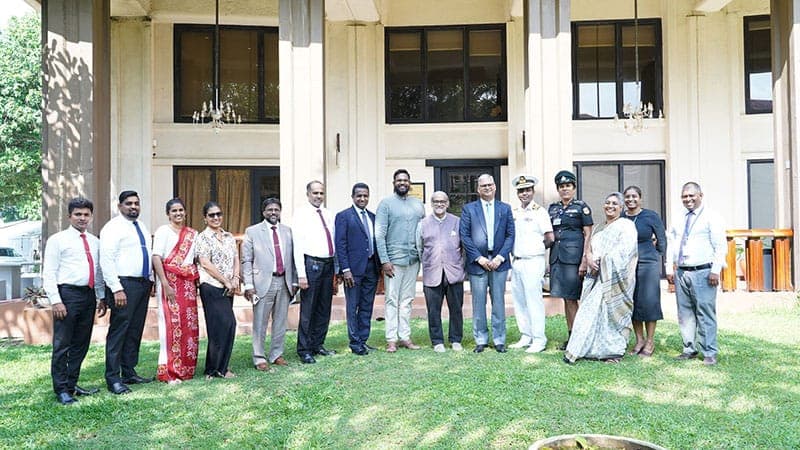
Senior Sri Lankan public sector officials responsible for infrastructure, land governance, urban planning, and highway development gathered recently (17th November) for a high-level roundtable dialogue on integrating wildlife conservation into linear infrastructure. Hosted by the Steering Committee of the Geoffrey Bawa Moonamal Award in collaboration with the High Commission of India in Colombo, the session featured keynote insights from Dr. Ramesh Kumar Pandey, Additional Director General of Forests (Wildlife) and Director of Wildlife Preservation at India’s Ministry of Environment, Forest and Climate Change.
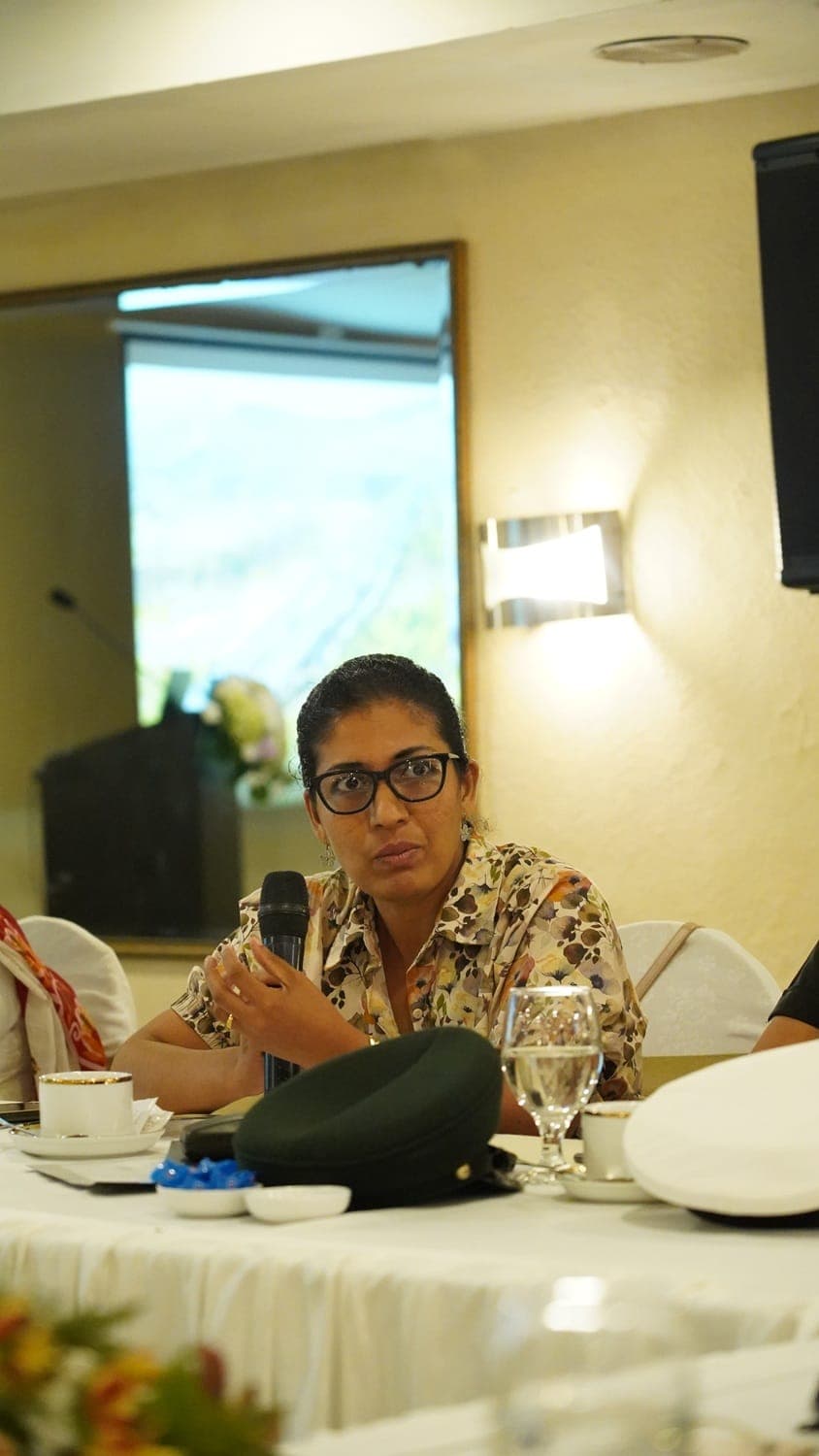
The event brought together approximately a dozen senior decision-makers and technical specialists across several key agencies – including the Department of Forest Conservation, Road Development Authority (RDA), Sri Lanka Army and Navy, Land Commissioner’s Department, Urban Development Authority (UDA), Sri Lanka Land Development Corporation (SLLDC), Sri Lanka Tourism Development Authority (SLTDA, Central Cultural Fund and the Central Engineering Consultancy Bureau (CECB). Convened as part of the Moonamal Award knowledge series, the dialogue provided a focused forum for engineers, architects, planners, and uniformed officers to examine how national transport and urban networks can coexist with sensitive ecological corridors.
Lessons from India’s Ecological Infrastructure
Drawing on more than three decades of expertise in wildlife preservation and conservation engineering, Dr. Pandey walked participants through India’s progress in planning and delivering biodiversity-sensitive linear infrastructure. Using visual case studies, he unpacked landmark projects such as the Delhi–Dehradun Expressway, illustrating how elevated highway sections, dedicated wildlife underpasses and overpasses, and habitat-sensitive alignments can preserve vital animal movement corridors alongside high-speed transport networks.
Beyond engineering interventions, Dr. Pandey detailed the legal, policy and regulatory frameworks that have enabled Indian institutions to embed ecological safeguards early in the project lifecycle. By institutionalising wildlife mitigation guidelines within statutory approvals and infrastructure planning standards, India has shifted ecological protection from a late-stage remedial measure to a foundational component of linear infrastructure design. The Wildlife Institute of India’s 2016 Guidelines for Mitigation Measures were pivotal in this shift, and their impact is self-evident in the groundbreaking Pench corridor, completed in 2018. The Pench corridor illustrates what is classified as a ‘Brown Field Development’ wherein mitigation strategies are incorporated into the development of existing infrastructure. Brand new infrastructure projects like the Delhi-Dehradun, on previously undeveloped land are classified as ‘Green Field’ projects. Be it Brown Field or Green Field, Dr Pandey asserts "In India today you cannot do development unless you include mitigation measures and compensate for the loss of forest.”
Dr. Pandey also highlighted the role of India’s new digital portals in making clearances and implementation seamless. Digitalisation has streamlined forest clearance, which historically took 300 days, down to 30, and environmental clearance, once around 600 days, down to 60, because the process now allows clearances to move in parallel. Developers can therefore commence projects by depositing an upfront additional fee of 2% to cover possible future wildlife mitigation costs. These digital innovations have made the private sector more receptive to such mitigation requirements. Equally important to the process is the inclusion of a member of the Wildlife Institute of India in project teams from inception, so that issues can be identified early and solutions found proactively.
Today, 10 of the world’s largest wildlife mitigation structures are located in India, affirming the country’s success in striking the right balance between ecological integrity and economic aspiration. Dr. Pandey proudly notes, “We have shown that it is possible not only in developed countries, but also in developing countries.”
Sri Lankan Perspectives and Key Bottlenecks
Following the presentation, Sri Lankan officials engaged in an interactive exchange, reflecting on operational realities across the country’s road, urban, and land-management sectors. Participants expressed strong interest in exploring comparable wildlife-mitigation measures and ecological design principles for Sri Lanka’s future infrastructure pipeline. They learned that although these mitigation measures do add to the overall costs of the projects, evidence from India shows that much greater long-term savings are made.
The discussion also candidly identified key institutional and operational bottlenecks that must be resolved for similar approaches to be adopted at scale. Officials highlighted challenges surrounding inter-agency coordination across transport, land, and environmental authorities, regulatory alignment, upfront capital costs, and the integration of baseline ecological data during early feasibility and design stages.
Bridging Design, Ecology, and Public Policy
The Moonamal Award - established by the Geoffrey Bawa Trust in association with the Wildlife and Nature Protection Society (WNPS) of Sri Lanka – is an initiative dedicated to promoting design for ecological coexistence, and foster interdisciplinary collaboration across architecture, engineering, conservation, and public policy.
Applications for the current cycle of the Moonamal Award are presently open and notably feature a dedicated policy solutions category, underscoring the critical role of public-sector leadership and regulatory innovation in shaping resilient, ecologically sensitive projects. More information is available at geoffreybawa.com/moonamal-award.