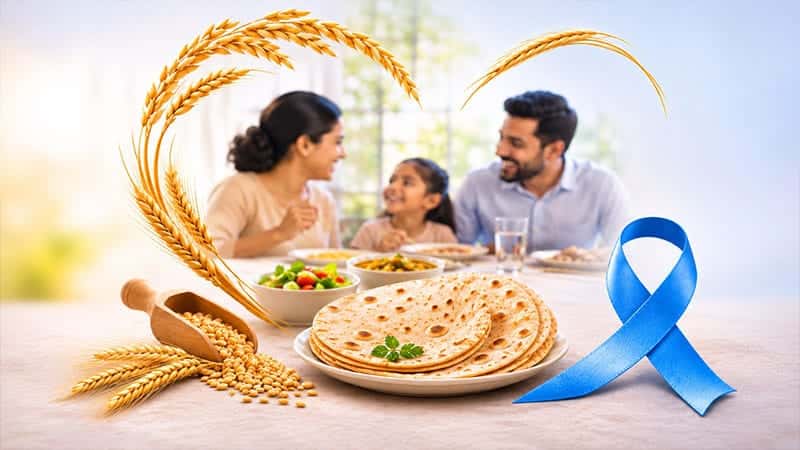



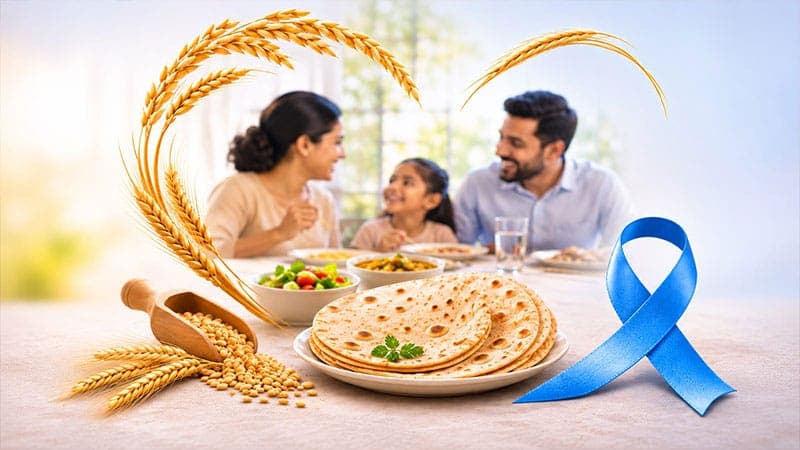
Marking World Diabetes Day, Serendib Flour Mills is encouraging Sri Lankan households to better understand how everyday food choices affect blood sugar, highlighting the role that meals prepared with 7 Star Chakki Atta can play within a balanced diet. The 2026 theme, “Early Action on Diabetes,” calls attention to two priorities: diagnosing diabetes early and reducing the risk of developing type 2 diabetes.
Early action begins with knowing when to seek medical advice. Diabetes can develop without obvious symptoms, so people concerned about their risk should speak with a healthcare professional about appropriate testing. Everyday choices, including food and physical activity, also play a part in reducing type 2 diabetes risk.
For many families, conversations about diabetes prevention begin with reducing sugar. However, the carbohydrates in familiar staples also influence blood glucose. Understanding the Glycemic Index, commonly known as GI, can help consumers make more informed choices about these foods.
GI ranks carbohydrate-containing foods according to how much they raise blood glucose after eating. Lower-GI foods generally produce a more gradual response than higher-GI alternatives. Choosing these foods can help support blood sugar management, although the amount eaten and the overall composition of a meal remain important.
This is where familiar foods such as chapati and roti made with 7 Star Chakki Atta can contribute. As a wholewheat flour, 7 Star Chakki Atta brings dietary fiber into everyday meals. Fiber and the structure of foods can influence carbohydrate digestion and absorption, while preparation methods and accompanying dishes also affect the final blood glucose response. Wholewheat content alone, however, does not determine a food’s GI.
Locally relevant findings offer further insight. Research conducted by H. M. Amandi, a final-year undergraduate in the Department of Food Science & Technology at the University of Peradeniya, under the supervision of senior lecturers Mr. N. Y. Jayanath and Dr. G. M. Somaratne, found that chapati, roti and puri prepared using 7 Star Chakki Atta recorded low GI values under the study conditions. Chapati recorded a GI of 45, roti 44 and puri 50. Pairing roti with chickpea curry reduced its recorded GI to 37, reinforcing the importance of considering the whole meal.
For households, the practical takeaway is to look beyond a single ingredient. A moderate portion of Chakki Atta chapati or roti, accompanied by dhal or chickpea curry and vegetables, can help build a balanced meal. Choosing preparations that use less added oil also supports overall dietary quality. Low GI does not mean unlimited portions: the quantity of carbohydrate consumed still affects blood sugar.
Commenting on the importance of everyday food awareness, Amitav Basak, CEO of Serendib Flour Mills, said: “Healthier eating needs to be practical for the families making these choices every day. Through 7 Star Chakki Atta, we want to encourage a better understanding of familiar meals, from the ingredients used to the portions served and the foods eaten alongside them. Amandi’s research provides useful local insight to support that conversation.”
While no single food can prevent diabetes, making informed dietary choices is an important part of a healthy lifestyle. Alongside regular physical activity, balanced meals and appropriate portion sizes, choosing foods with a lower GI can contribute to better blood glucose management. In keeping with this year’s call for early action, food awareness should go hand in hand with recognizing personal risk and seeking timely testing and care when appropriate. Through 7 Star Chakki Atta, Serendib Flour Mills continues to encourage greater awareness of everyday nutrition, helping Sri Lankan households make informed choices while staying connected to familiar food traditions.