

June, 20, 2025
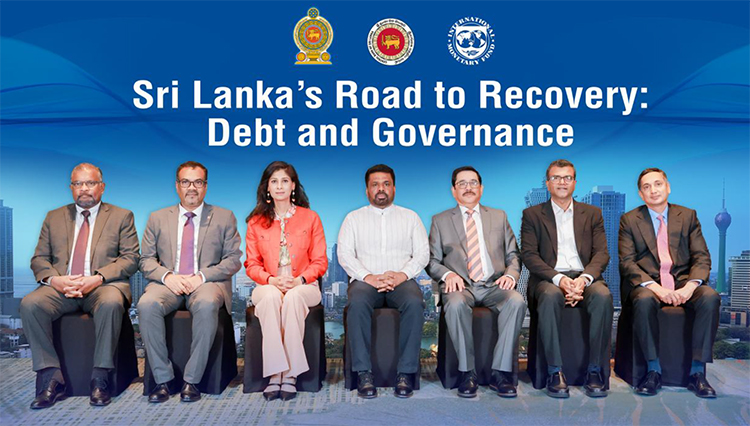
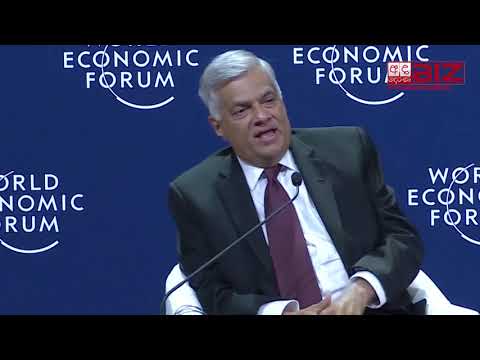
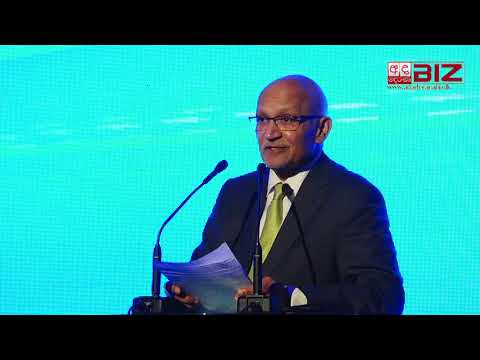
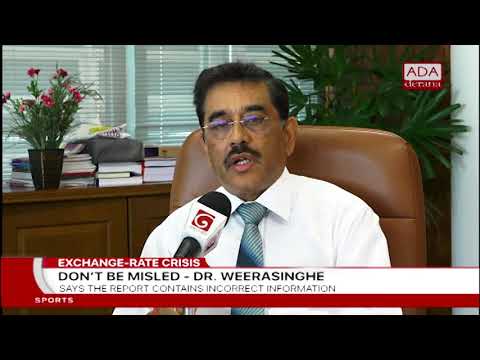
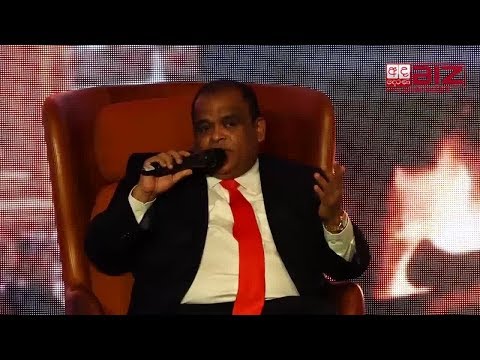
The Central Bank of Sri Lanka (CBSL), in collaboration with the Ministry of Finance and the International Monetary Fund (IMF), co-hosted the high-level conference on ‘Sri Lanka’s Road to Recovery: Debt and Governance’ on 16 June 2025 at the Shangri-La Colombo. The event brought together key policymakers, global stakeholders, as well as private sector and civil society representatives, to deliberate on Sri Lanka’s recovery under the IMF-supported reform programme. Conference proceedings commenced with welcome remarks delivered by the Governor of the CBSL, Dr. Nandalal Weerasinghe, followed by opening remarks delivered by the President of Sri Lanka, Hon. Anura Kumara Dissanayake. Dr. Gita Gopinath, the First Deputy Managing Director of the IMF, was the guest of honour of the event and delivered opening remarks representing the IMF.
The conference provided an opportunity to reflect on Sri Lanka’s macroeconomic recovery and governance transformation since the 2022 crisis, and to assess the country’s progress at the mid-point of the IMF-supported Extended Fund Facility (EFF) programme. The agenda comprised four panel discussions, namely: a preamble on the overview of the lead-up to the crisis and the contours of the IMF-supported programme, followed by two sessions on the road to debt sustainability and road to credibility, and a closing panel on the challenges ahead.
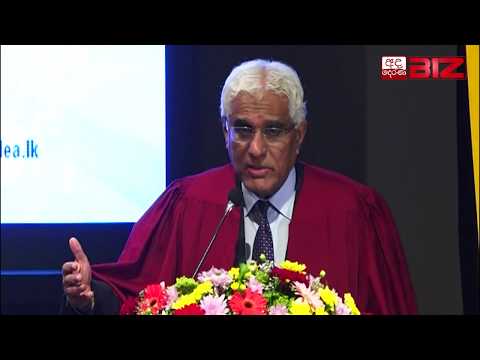
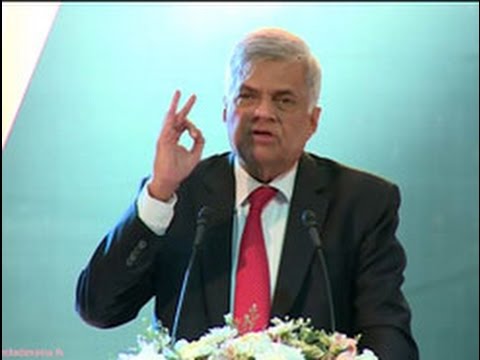
Delivering the keynote, President Hon. Anura Kumara Dissanayake underscored that although stability is achieved following the crisis, the scars of the economic crisis are still visible. Therefore, it is imperative to implement necessary reforms to improve economic conditions and achieve lasting stability. Further, the President asserted that the ultimate goal is to restore national sovereignty through economic stability and self-reliance so that this will be the last IMF programme of the country. Dr. Gita Gopinath commended the Government on the progress made under the EFF programme and highlighted the multiple challenges Sri Lanka’s debt restructuring had to deal with. While acknowledging the courage and sacrifices of the Sri Lankan people, she underscored the importance of staying the course with the reform agenda to ensure sustainable recovery. Governor of the Central Bank of Sri Lanka, Dr. Nandalal Weerasinghe, highlighted the significant progress achieved in preserving macroeconomic stability. However, the Governor asserted that lasting transformation must be led within, and the country should take ownership of reforms. The Governor further mentioned that key pieces of legislation such as the Central Bank of Sri Lanka Act, Public Financial Management Act, and Anti-Corruption Act have strengthened institutional and regulatory framework related to macroeconomic management.
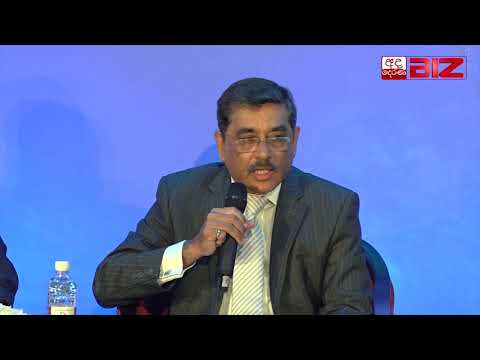
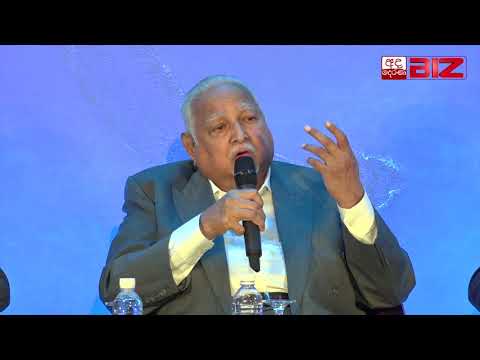
The preamble session was moderated by Dr. Chandranath Amarasekara, Assistant Governor of the CBSL, who framed the discussion within the context of Sri Lanka’s unprecedented crisis in 2022 and its subsequent recovery efforts. The distinguished panel featured Mr. Mahinda Siriwardana (Secretary to the Treasury), Dr. Krishna Srinivasan (Director, Asia and Pacific Department, IMF), Prof. Sirimal Abeyratne (Executive Director, Centre for Poverty Analysis), and Mr. Sanath Manatunge (Chairman, Sri Lanka Banks’ Association). The panel noted that the reform pace had been extraordinary, driven by strong political will and institutional coordination, while acknowledging ongoing challenges such as ensuring inclusive outcomes and maintaining the reform momentum.
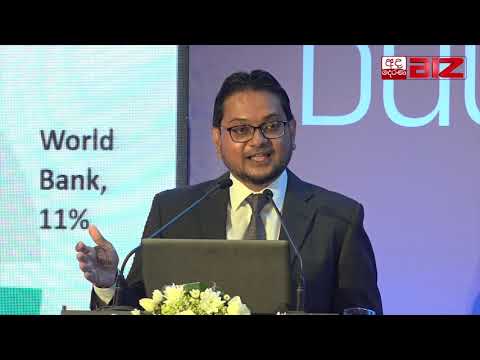
Session 1: The Road to Debt Sustainability was moderated by Dr. Peter Breuer, Division Chief at the Asia and Pacific Department of the IMF and former IMF Mission Chief of Sri Lanka. The session featured Mr. William Roos (Co-Chair, Paris Club), Mr. Deshal de Mel (Former Economic Advisor, Ministry of Finance), Ms. Johanna Chua (Head of Emerging Markets, Citibank), and Ms. Deborah Zandstra (Partner in Capital Markets, Clifford Chance). The discussion explored Sri Lanka’s experience of debt restructuring within its complex creditor landscape, the implications of that on shaping global debt architecture, and lessons for future debt sustainability. The panel emphasised the importance of transparency and equitable burden-sharing, as well as the important role of the IMF and debt advisors during Sri Lanka’s debt restructuring process.
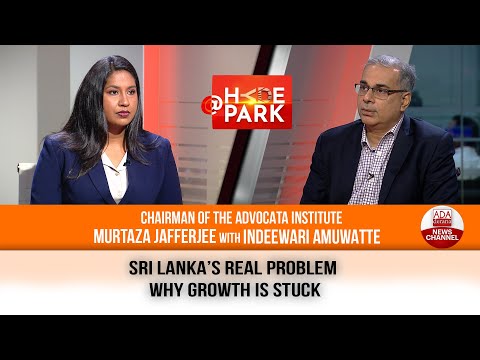
Mr. Joel Turkewitz, Deputy Division Chief, IMF Legal Department, moderated Session 2: The Road to Credibility. Hon. (Dr.) Harshana Suriyapperuma, Deputy Minister of Finance and Planning, Mr. K.B. Rajapakse (Commissioner, Commission to Investigate Allegations of Bribery or Corruption - CIABOC), Mr. Murtaza Jafferjee (Chair, Advocata Institute), and Prof. Arjuna Parakrama (Professor of English, University of Peradeniya) shared their experience and insights during this panel discussion. The panel noted that governance is a cornerstone of sustainable reforms and highlighted the importance of the Governance Diagnostic exercise of Sri Lanka, which was the first involving an Asian country. While participants acknowledged the legal and institutional reforms introduced, they called for consistent enforcement and public consultation to strengthen public trust and support for the reform agenda and ensure the equitability of the reforms.
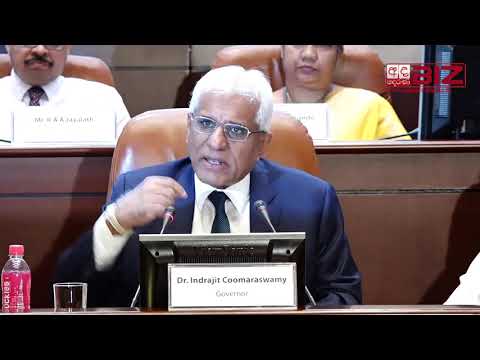
The conference concluded with the Closing Panel: The Challenges Ahead, moderated by Dr. Krishna Srinivasan, Director of the Asia and Pacific Department of the IMF. The distinguished panel comprised Dr. Gita Gopinath (First Deputy Managing Director, IMF), Hon. Prof. Anil Jayantha Fernando (Minister of Labour and Deputy Minister of Economic Development), Dr. Nandalal Weerasinghe (Governor, Central Bank of Sri Lanka), Dr. Indrajit Coomaraswamy (Former Governor, Central Bank of Sri Lanka), and Dr. Dushni Weerakoon (Executive Director, Institute of Policy Studies and Appointed Member of the Monetary Policy Board of the Central Bank). Dr. Gopinath cautioned that there is no room for policy errors, stressing the importance of maintaining reform momentum and guarding against programme fatigue. Hon. Prof. Fernando reaffirmed the Government’s commitment to fostering a more equitable society and underscored the importance of continued collaboration with development partners to support Sri Lanka’s recovery and development objectives. Governor Dr. Weerasinghe emphasised the critical role of private sector development, along with the continuation of structural and institutional reforms, consolidating recent economic gains. Meanwhile, Dr. Coomaraswamy highlighted the importance of sustaining an export-led growth strategy as a cornerstone of long-term macroeconomic stability. The need for deep institutional reform to strengthen public confidence and reinforce the credibility of the reform agenda was underscored by Dr. Weerakoon.[1]
The event marked a significant milestone in Sri Lanka’s recovery journey, underscoring the shared commitment of the Government of Sri Lanka, the Central Bank and the International Monetary Fund to foster macroeconomic stability and institutional governance to support inclusive development.
Video Story