

February, 11, 2026
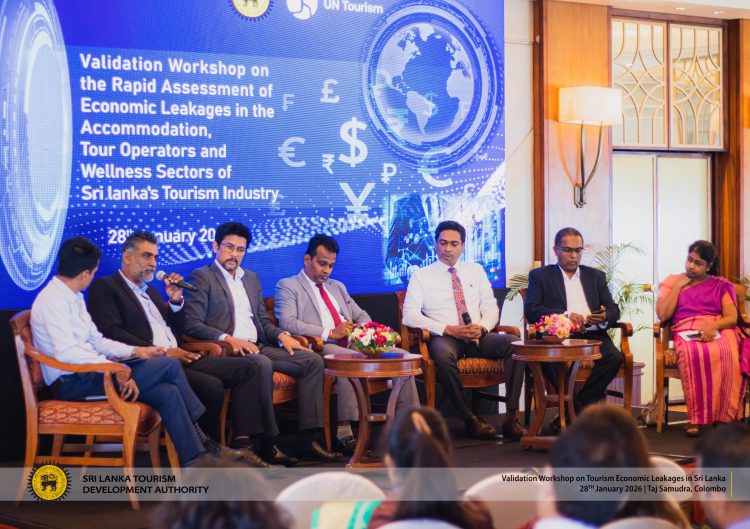
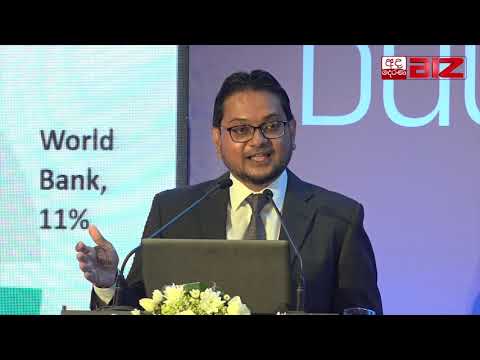
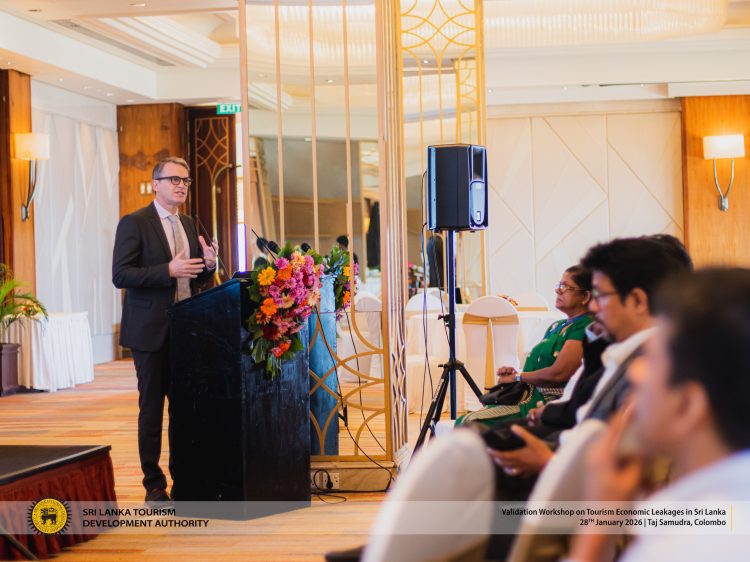
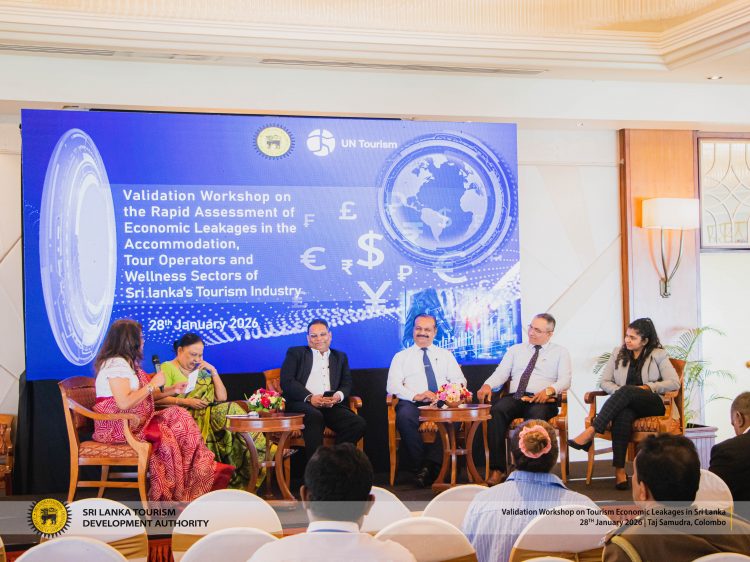
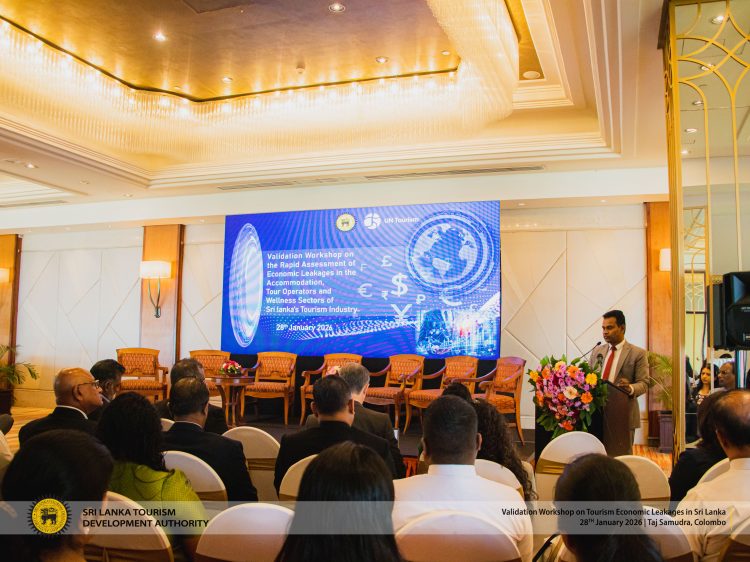
The Sri Lanka Tourism Development Authority (SLTDA), in collaboration with UN Tourism, convened on 28 January the country’s first national, multi-stakeholder validation workshop on economic leakages in the tourism sector.
The workshop was grounded in the Rapid Assessment on Economic Leakages in the accommodation, travel agents/tour operators and wellness sectors. The assessment indicates that close to one third of tourism-generated value in these three segments does not remain in the domestic economy, due to a combination of external, internal and invisible leakages.
Importantly, these figures should be read less as a measure of weak economic impact and more as an indication of untapped potential. They highlight the scale of opportunities to strengthen domestic value retention, deepen local supply chains and increase the contribution of tourism to incomes, employment and fiscal revenues.
Moreover, the assessment covers only three segments of the tourism value chain. Other activities such as casinos, crafts and selected leisure services are likely to increase the overall volume of recoverable value, reinforcing the case for targeted, pragmatic action rather than concern about tourism’s role in the economy.
Tourism generated USD 3.17 billion in receipts in 2024, making it Sri Lanka’s third-largest source of foreign exchange. However, a significant share of this value does not remain in the domestic economy due to structural factors including offshore bookings (with OTA and international operator commissions being structural features of global tourism markets), high import dependence, fragmented local supply chains and high informality.
Key findings included:
From diagnosis to action
The workshop was designed as a pragmatic validation exercise focused on turning evidence into action and identifying realistic opportunities for progress:
The objective was clear: not to debate whether leakages exist, but to collectively identify what can be done and how Sri Lanka can actively capture greater value from its tourism economy.
Three thematic panels addressed:
With the support of industry associations, the outcomes of the workshop will feed directly into the preparation of a three-year implementation roadmap led by SLTDA. The roadmap will prioritise practical and achievable measures, including clearer and progressive formalisation pathways, realistic opportunities for import substitution, and strengthened consumer awareness through better use of digital tools.
A key focus will be on improving market credibility and access, where continued access to platforms, promotion and partnerships will increasingly depend on compliance with SLTDA registration and quality requirements, ahead of any enforcement or sanctioning measures. Improved inter-institutional coordination will support this transition.
A strategic shift for Sri Lanka’s tourism sector
As arrivals continue to recover, Sri Lanka’s challenge is no longer only to grow visitor numbers, but to ensure that more tourism value stays in the country and benefits Sri Lankans. This workshop marked a first concrete step toward that goal.
Video Story