

February, 18, 2026

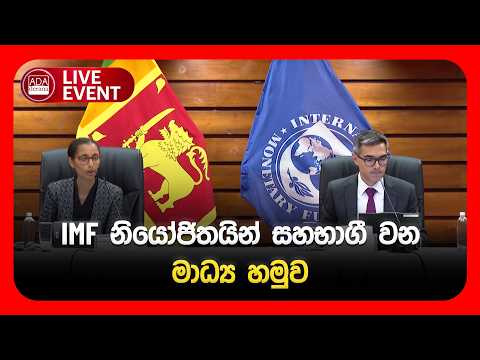
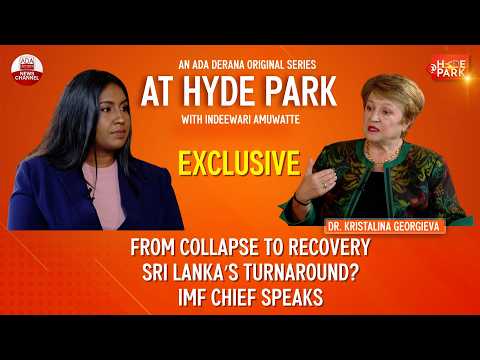
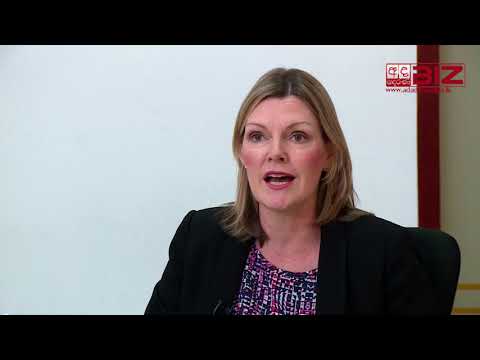
Kristalina Georgieva, Managing Director of the International Monetary Fund, says Sri Lanka has made “tremendous progress” since its economic crisis, but emphasised that sustaining reforms and maintaining unity will be critical to translating stability into lasting prosperity.
Speaking in an exclusive interview with Ada Derana during her first visit to the country, Georgieva described Sri Lanka’s recovery journey as remarkable, noting that macroeconomic stability has been restored in a relatively short period following the near-collapse of the economy.
She pointed to sharp improvements in key indicators, including a steep decline in inflation and a return to positive growth, saying these gains reflect policy discipline and the government’s commitment to rebuilding trust and strengthening institutions.
Georgieva’s visit came shortly after severe weather-related devastation in parts of the country, where she met affected communities. She said the visit was also an expression of solidarity, praising the resilience and unity shown by Sri Lankans in the face of repeated economic and climate-related shocks.
The IMF, she noted, had provided emergency financing of more than $200 million to support relief efforts, underscoring the institution’s role in assisting countries during crises.
Reflecting on Sri Lanka’s decision to enter an IMF-supported programme, Georgieva said such programmes aim not only to restore fiscal and financial stability but also to protect vulnerable groups through measures such as minimum social-spending floors.
She highlighted three priorities for countries undertaking reforms: maintaining fiscal discipline, ensuring an independent central bank focused on price stability, and creating conditions for private-sector-led growth and job creation.
Georgieva also welcomed Sri Lanka’s request for a governance assessment, describing it as a significant step toward strengthening transparency and tackling corruption.
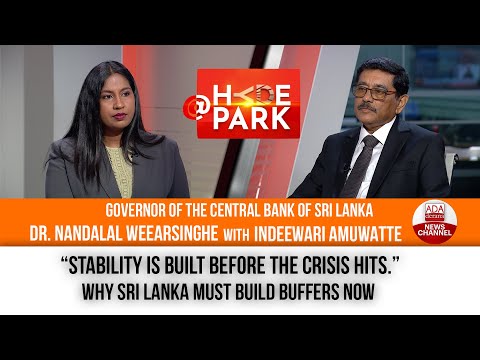
Looking ahead, she said global uncertainty—driven by geopolitical tensions, technological change, and climate risks—makes it essential for small open economies like Sri Lanka to build buffers.
These include stronger foreign-exchange reserves, prudent fiscal policy, and a clear growth strategy that leverages private-sector dynamism. She also encouraged deeper regional economic cooperation to help countries better withstand external shocks.
On debt, Georgieva said Sri Lanka’s restructuring process is nearing completion and stressed the importance of avoiding a renewed build-up of unsustainable liabilities. Sound debt management, she said, is key to preserving stability achieved through difficult adjustments.
Despite ongoing challenges, she expressed optimism about Sri Lanka’s prospects, citing its strong human capital, tourism potential, and entrepreneurial culture.
Her message to the public, she said, is to “cherish unity” and continue working together, noting that sustained reform efforts can deliver broader prosperity over time.
Video Story