

May, 12, 2026
In a sector where shortcuts can compromise lives, Morison, formerly known as J.L. Morison Son & Jones (Ceylon) PLC, a pioneer in pharmaceutical manufacturing since 1959 and now a trusted subsidiary of Hemas Holdings, stands apart, driven by integrity and a steadfast commitment to ethical pharmaceutical manufacturing.
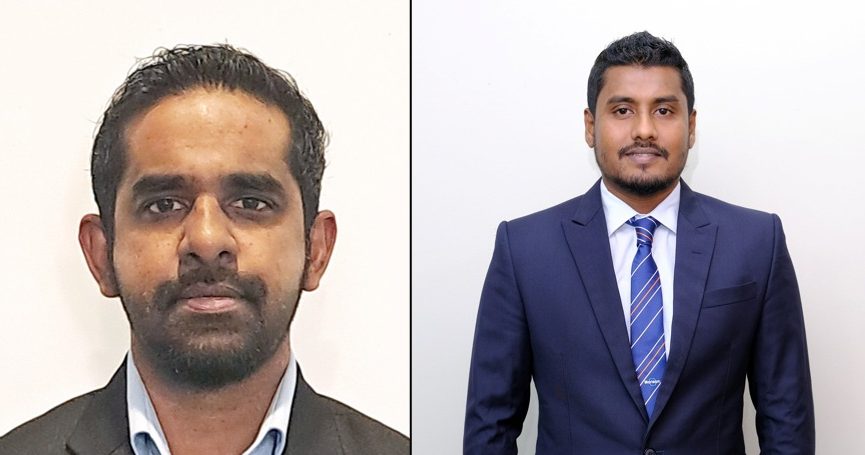
Upendra Silva, Head of Quality & Technical, and Menaka Pethiyagoda, Head of Operations, Morison Limited, reveal the depth of expertise driving Morison's operations. Their combined experience offers unique insight into the rigorous standards and ethical practices embedded into every aspect of Morison’s enterprise.
As Head of Quality & Technical, Upendra Silva has over 14 years of experience at Morison. He has been central to the plant’s development and product innovation, leading quality and technical functions with expertise in regulatory affairs, R&D, production, quality assurance, and quality control.
Menaka Pethiyagoda, Head of Operations, has been with Morison for eight years, playing a key role in establishing the Homagama plant. He now oversees plant operations, including production, warehouse, engineering, and administration.
Q: Describe Morison’s contribution to Sri Lanka’s pharmaceutical industry over the past six decades.
Menaka: Morison was among the first to enter pharmaceutical manufacturing when it began in Sri Lanka 60 years ago. Over those six decades, Morison has become a trusted name, from household products including Morison’s Gripe Mixture, Morison’s Lacto Calamine, and Valmelix, to supplying doctors and government institutions with bulk formulations.
After becoming a subsidiary of the Hemas Group in 2013, a major milestone was achieved when we opened a state-of-the-art pharmaceutical manufacturing facility in Homagama in 2020 and commenced commercial manufacturing in 2022, propelling our journey to making premium healthcare affordable. Morison currently manufactures around 60 products at both facilities.
Q: Why is Sri Lanka only ~20% self‑sufficient when most South Asian countries have become self-sufficient and strong pharmaceutical exporters?
Upendra: Foreign governments drive it with clear policy, deliberate planning, and a recognition that pharma is built for the long haul.
In Sri Lanka, the local industry’s prospects could be significantly strengthened through a more sustainable and consistent policy framework, sustained industry investment, and clearer prioritisation to support timely market entry, enabling local manufacturers to compete more effectively with international players.
We also need to amplify the reach of our research capabilities. This calls for progressively strengthening our talent pipeline.
The Sri Lanka Pharmaceutical Manufacturers’ Association has advocated for these changes. Policy proposals have been submitted but more needs to be implemented to accelerate growth.
Q: Pharma manufacturing is a highly technical industry. Does Morison have the necessary capabilities?
Menaka: Our team has consistently proven capable of absorbing the latest expertise in manufacturing novel therapies. Over 80% of our employees are graduate executives from pharmaceuticals, BPharm, or science graduates. Additionally, we acquire advanced knowhow through technology transfers from regional partners and work closely with experts specializing in formulation and analytical development.
Upendra: We have built our team under the guidance of technical experts with two expatriate resources for highly technical areas. Through consistent knowledge transfers, the team is trained and exposed to stringent production processes, allowing them to learn while working. We expect this team to be handling our systems independently within five years.
Q: How do you prevent cross-contamination and maintain efficiency in your plant?
Menaka: We enforce strict personal protective equipment (PPE). Air and water quality is stringently monitored for microbiological and quality control parameters. Our core production areas are classified environments with controlled temperature and humidity to maintain product integrity throughout the manufacturing process, operating dedicated Air Handling Units (AHUs) for each area running 24/7.
All raw materials undergo quality checks before production. Every product experiences validation before commercial production. Similarly, all analytical methods for product testing are vetted for accuracy and reliability.
Q: What systems do you use to ensure safe production?
Menaka: All our machinery is PLC‑controlled, minimizing human intervention, and elevating precision in production.
Our new Homagama facility is built according to EU GMP-specifications. It operates a fully automated environmental monitoring and building management system which tracks conditions and flags deviations to ensure safety and consistency. Our Quality Management System (QMS) software further covers the entire production process, from material in‑housing to goods dispatch.
Recruits undergo a structured training to operate these systems before entering the plant. Operators are subject to annual evaluation emphasising continuous improvement and adherence to protocols.
Q: How do you choose and approve raw materials?
Upendra: Purchasing raw materials undergoes a rigorous qualification process. Our raw materials are sourced to comply with international pharmacopeial standards. Only after successfully completing evaluations can a supplier join our approved supplier list. These approved materials alone are permitted, with every consignment tested with a 100% analysis before use.
Q: How do you reassure consumers that Morison’s products are safe?
Upendra: We benchmark ourselves against market leaders in product development, conducting comparative dissolution studies to demonstrate how any product of ours delivers the same performance as the innovator product.
We follow strict in‑process controls during manufacturing. Once production is complete, every batch undergoes 20+ of validated laboratory testing before release. The National Medicines Regulatory Authority (NMRA) audits us every two years to confirm systems meet the required standards.
The best example of our uncompromising approach is seen in the Empagliflozin market, one of the latest therapies for diabetes. Our brand was embraced by the medical fraternity and consumers within just two years of launch, becoming the highest-selling Empagliflozin brand in the country, a clear reflection of product safety and trust.
Every single batch is released only after passing more than 20 rigorous chemical and physical tests. With the goal of serving both local and international markets, we aim to assure customers of our commitment to uncompromising scientific standards and a culture of care that places safety first.
Q: What does being named 2024’s Most Respected Entity in the pharmaceutical sector by LMD mean for Morison?
Upendra & Menaka: Although it was quite unexpected, the recognition validates the journey we have undertaken in building an ethical pharmaceutical brand. As the recognition was presented by an independent body, it reaffirms our efforts in ethical manufacturing and brand building, signalling that our commitment to ethical practices is acknowledged.
Q: What are Morison’s priorities in the coming years?
Upendra & Menaka: We aim to establish Morison as Sri Lanka’s most trusted pharmaceutical brand, introducing novel therapies at affordable prices while expanding into other international markets as a trusted global brand. At the same time, we are pursuing EU GMP accreditation, which will enable us to export our products to regulated markets, elevate Morison, and bring recognition to Sri Lanka’s pharmaceutical industry.
Video Story