

May, 18, 2026
By: Centre for Equality and Justice
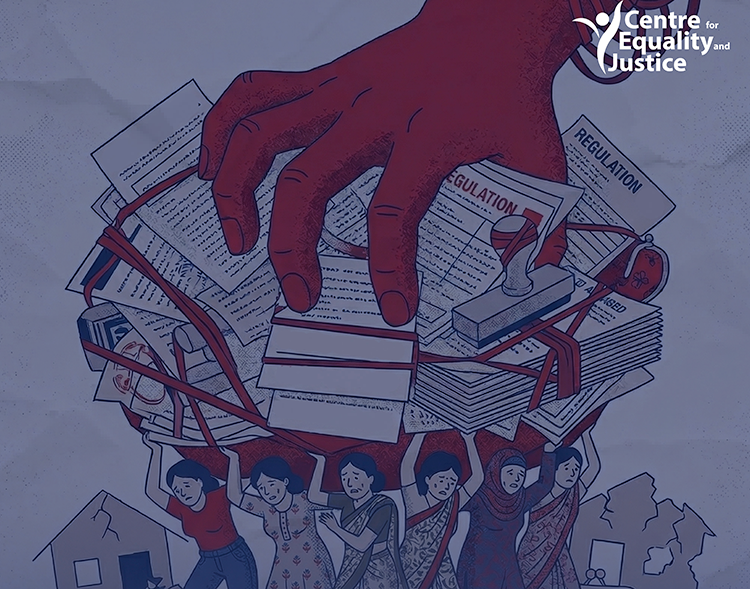
More than 50% of households in Sri Lanka were in debt in 2023. According to the Department of Census and Statistics, nearly a quarter of those households took loans just to survive and meet daily food requirements. Due to the cyclical and often predatory nature of small and personal loans, it is reasonable to assume that most of these households remain in debt today, stalling economic growth at the community level and fuelling public debt at the national level.
In a bid to address this universal and ever-growing issue, the government passed the Microfinance and Credit Regulatory Authority Act, No. 9 of 2026 in early March. The good intentions of the Act – to prevent predatory lending practices and mitigate the negative effects of unregulated microfinance by establishing a registration and licensing process – are welcome and theoretically sound. In principle, it aims to curb the irresponsible and exploitative lending and recovery practices that have long plagued the microfinance industry and to eliminate serious abuses, including intimidation, coercion, and sexual bribery. However, the devil, or in this case, the policy flaw, is in the details.
Subject-matter experts, grassroots practitioners, and community members have all expressed great concern that the current version of the recently passed law not only fails to achieve its stated aims but threatens to dismantle crucial community-based funding models. This could have been avoided if legislators had taken the time to understand and incorporate the perspectives of community members, especially women, as well as those working on community-credit programmes, women’s economic rights, and microfinance regulation.
In fact, over 4,000 women from communities across Sri Lanka self-organised to draft and sign a petition opposing the expedited passing of the Microfinance and Credit Regulatory Authority Act without proper community consultation. Women from Self-Help Groups asked to meet with parliamentarians to share their lived experience with different forms of microfinance lending; however, as is almost always the case, they were not given the opportunity.
Failing to understand and incorporate the perspectives of women, especially marginalised and vulnerable women, means that the Act is unlikely to meaningfully address predatory lending and recovery practices. Furthermore, the narrow pathways outlined in the current Act will outlaw crucial and effective community-based savings and credit programmes often run through women-led Self-Help Groups.
Self-Help Groups are trust-based, self-governed, non-profit community platforms that foster women’s economic independence through shared decision-making. Community-based savings and credit programmes are the core of Self-Help Groups, providing women and families with access to fast and empathetic loans with a small service fee. However, Self-Help Groups provide much more than access to credit. They enable families and communities to thrive by increasing access to education and better healthcare. They buffer the impact of natural and personal disasters, allowing individuals to rebuild with dignity. They help members pool their knowledge to advocate for progressive change. They empower women, elevating their position in society and deterring abusive behaviour. They facilitate the leveraging of community-based businesses for collective procurement or greater access to markets. Finally, they provide a safe and supportive space to enhance relationships, strengthen skills, and build a thriving community that contributes to national growth.
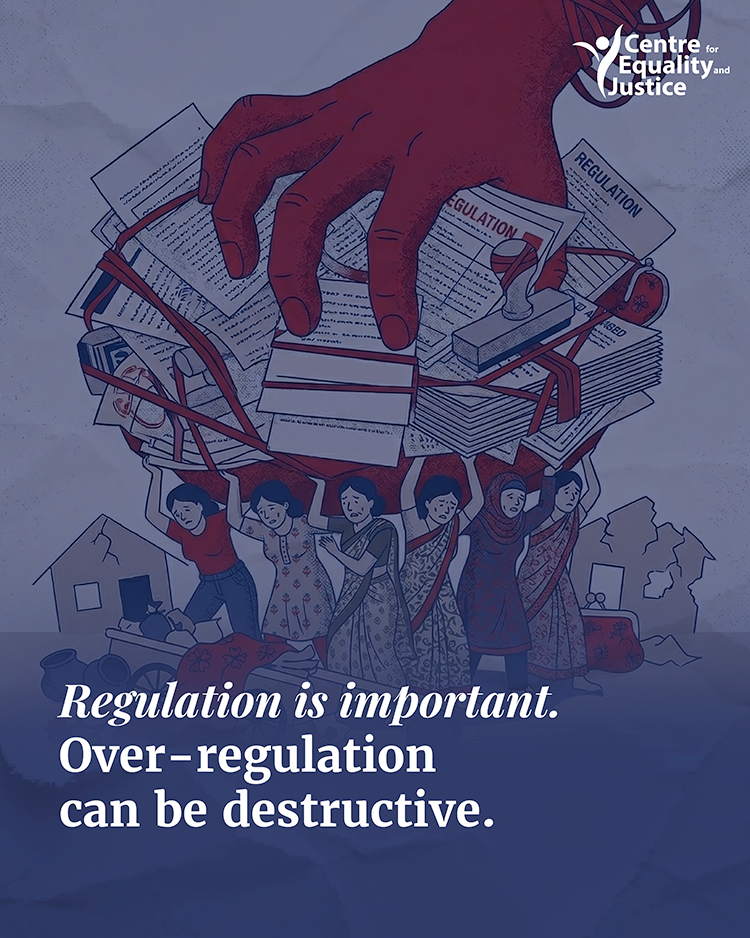
The excessive compliance requirements of the Act and its costly, narrow, and burdensome registration pathways will destroy community-based savings and credit programmes. Leaving already vulnerable people with fewer financing options, more exposed to predatory lenders, and further isolated as institutionally defined “non-credit worthy” individuals. Not to mention the ripple effect on Self-Help Group members and their families, as the groups will likely disintegrate without the community-based savings and credit programmes.
The good news is that it’s not too late to fix it. Now that the Act has been passed, it can be greatly improved at the regulation stage by adopting a few simple and reasonable reforms. (1) Ensure that relevant stakeholders, especially community women to ensure an understanding of gender-specific vulnerabilities, are consulted and included in the drafting process so that the Act reflects ground realities during its implementation. (2) Clearly define microfinance institutions, money lenders, and additional categories of community credit programs. (3) Include an additional pathway for non-commercial women-led Self-Help Groups and similar programmes to legally operate under the Act. This pathway should permit registration with the least bureaucratic and regulatory work, including a simple, community-level process that reduces administrative burdens, is not too expensive, and allows community-based programmes to retain autonomy. (4) Place consumer protection at the core of the legislation. (5) Allow the Central Bank of Sri Lanka to determine interest rate caps. (6) Include different collateral requirements for business and non-commercial community-led programs. (7) Include safeguards against coercive recovery practices, including sexual bribery, and list these practices as regulatory breaches with provisions to ensure appropriate action is taken when such violations occur. (8) Include a clear appeal mechanism against regulatory decisions and not restrict borrowers’ right to legal representation.
By incorporating these measures, the Microfinance and Credit Regulatory Authority Act can achieve its core goals and meaningfully protect the most vulnerable and disadvantaged.
Video Story