

May, 26, 2026
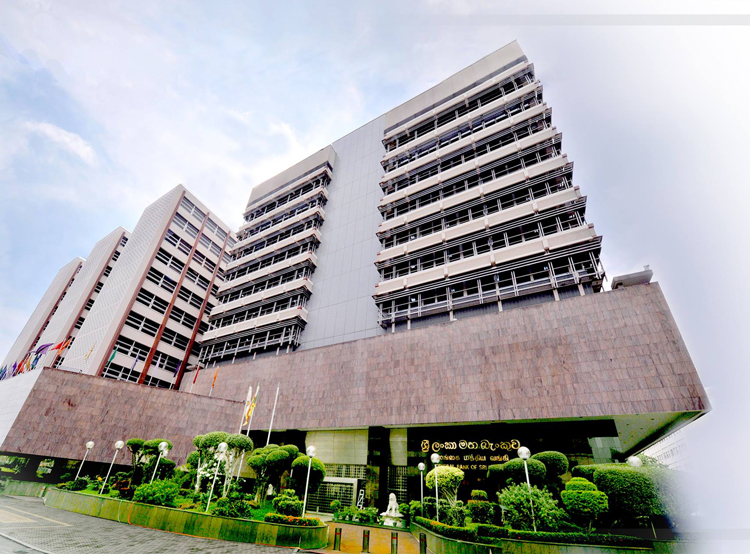
The Monetary Policy Board, at its meeting held yesterday, decided to increase the Overnight Policy Rate (OPR) by 100 bps to 8.75%. The Board arrived at this decision after carefully considering the evolving conditions and outlook on the domestic and global fronts.
The uncertainties arising from the heightened tensions in the Middle East have prompted global commodity prices, particularly petroleum, to remain high, adversely affecting the global as well as the domestic economy. High global oil prices have necessitated sharp upward adjustments to domestic energy prices, largely contributing to the 5.4% (y‑o‑y) inflation in April 2026. While the recent increase in inflation is largely supply-driven, demand conditions in the economy have also strengthened, as shown by the continued credit expansion, credit-driven imports, and leading indicators of economic activity. Accordingly, headline inflation is likely to remain above the target of 5% in the period ahead, before easing and stabilising around it. Inflation expectations in the short term have also increased somewhat, although they remain well-anchored around the inflation target over the medium term.
While near term pressures on the external sector were expected amid global headwinds stemming from the Middle East conflict, such pressures were seen to have amplified in recent weeks due to speculative activity. Following the robust performance recorded in 2025, the surplus in the external current account remained modest in the first quarter of 2026. This was mainly due to the widening merchandise trade deficit, particularly driven by increased expenditure on fuel imports and slowdown in tourism earnings. However, workers’ remittances have remained resilient thus far in 2026. Gross Official Reserves stood at USD 6.8 bn by end April 2026, amid foreign debt servicing. Similar to several regional peer currencies, Sri Lanka rupee experienced notable depreciation pressures in recent weeks, although conditions have since eased to some extent. Going forward, envisaged sizeable multilateral inflows, together with the anticipated easing of geopolitical tensions, and recently announced measures by the Government and the Central Bank, are expected to support the stabilisation of the external sector.
In view of the elevated inflation forecast, the potential second-round effects on headline inflation from energy price adjustments, continued expansion in private sector credit fueling import demand, pressures on the external sector, as well as the risk of de-anchoring inflation expectations, the Board was of the view that a tightening of the monetary policy stance is appropriate at this juncture. This stance reflects the Board’s continued commitment to maintaining domestic price stability.
The Central Bank will carefully assess incoming data on the domestic and global fronts and emerging risks, and stand ready to take measures, as appropriate, to ensure that inflation stabilises around the target, while supporting the economy to reach its potential over the medium term.
Video Story