

May, 28, 2026

Sri Lanka’s ICT and BPM sector has achieved a major national milestone, with digital services exports surpassing tea export earnings during the first four months of 2026, reflecting the country’s accelerating transition toward a knowledge-driven digital economy.
According to recent export performance data published by the Sri Lanka Export Development Board (EDB), ICT/BPM export earnings reached approximately USD 581.7 million during January to April 2026, exceeding tea export earnings of USD 451.58 million during the same period. The achievement marks one of the most significant structural shifts in Sri Lanka’s modern economic history, highlighting the growing importance of digital exports as a key foreign exchange contributor.
Industry leaders note that this achievement is not the result of short-term market conditions, but rather the outcome of years of ecosystem development, policy advocacy, talent development, infrastructure expansion, and sustained collaboration between industry stakeholders and successive government initiatives.
The Federation of Information Technology Industry Sri Lanka (FITIS), the apex body representing Sri Lanka’s broader ICT industry ecosystem, has played a long-standing role in supporting sector-wide digital growth through its multiple industry chapters including Software, Digital Services, Telecommunications, Infrastructure, Education & Training, and Digital Trust.
Over the years, FITIS has continued to focus on broader national digital ecosystem development, supporting export expansion, digital infrastructure growth, talent development, cybersecurity readiness, digital trust, startup ecosystem development, and digital transformation across industries.
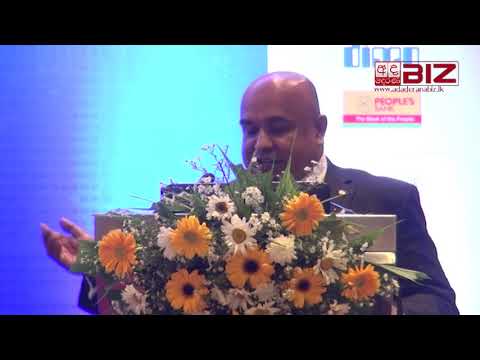
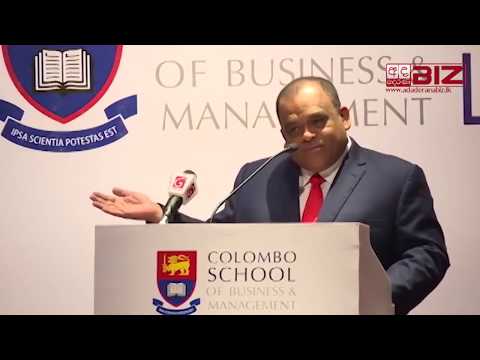
Speaking on the milestone, FITIS Chairman Dr. Dayan Rajapakse stated:
“This achievement is the result of many years of sector empowerment, industry collaboration, and progressive policy engagement. Sri Lanka’s ICT industry has now clearly demonstrated its ability to become a major pillar of national economic growth and foreign exchange generation.”
He further emphasized that Sri Lanka’s ICT industry operates within a highly competitive and globally mobile environment, where regional economies are aggressively competing to attract digital talent, technology investments, and internationally scalable ICT companies.
“As a country, we must remain strategic, stable, and globally competitive in our policy direction. The ICT industry is highly mobile. Talent, startups, and technology companies can relocate quickly to more attractive ecosystems if the environment is not conducive for innovation and growth.”
FITIS has been working closely with the Ministry of Digital Economy and other government stakeholders to help create a more enabling environment for the digital economy. Industry leaders have welcomed several recent policy initiatives that have positively contributed both directly and indirectly toward strengthening Sri Lanka’s digital ecosystem and export competitiveness.
Among the key measures commended by the industry are the transitional tax benefits introduced for IT companies registered within Port City Colombo, the launch of the Digital Nomad Visa programme, the removal of MDR charges for QR-based payments below Rs. 5,000, efforts to attract leading global payment platforms into Sri Lanka, and ongoing public sector digitalization initiatives aimed at increasing digital adoption across the country.
FITIS noted that digital transformation of government services plays a critical role in accelerating overall digital adoption, improving operational efficiency, enhancing financial inclusion, and creating a stronger foundation for long-term digital economy growth.
Beyond direct ICT export earnings, FITIS highlighted that the ICT industry contributes significantly toward enhancing the competitiveness and export potential of other industries through digital transformation initiatives targeting SMEs and traditional sectors.
Through initiatives such as the DigitalSME programme, FITIS has been actively supporting the digital transformation of small and medium enterprises, enabling businesses across manufacturing, retail, tourism, logistics, agriculture, and services sectors to improve productivity, efficiency, and global market access.
At the same time, FITIS continues to support startup ecosystem development, export market expansion, ICT infrastructure enhancement, cybersecurity readiness, digital trust frameworks, and industry capacity building through education and training initiatives.
The organization has also played an active role in elevating Sri Lankan technology companies onto international platforms through participation in global industry engagements including the ASOCIO Digital Summit Awards and AI-focused innovation recognition programmes, helping position Sri Lankan digital capabilities on the global stage.
Recent industry discussions between FITIS and government stakeholders have additionally focused on areas such as strengthening secure and reliable digital services, streamlining VAT collection through POS integrations, controlling grey-market technology imports, and expanding citizen digital empowerment through education and skills development.
FITIS recently launched its broader mission aligned with supporting the Government of Sri Lanka’s USD 15 Billion Digital Economy Vision by 2030, focusing on four key pillars:
Dr. Rajapakse emphasized that achieving the USD 15 billion vision would create economic benefits extending far beyond the ICT sector itself.
“The digital economy is no longer limited to ICT companies alone. A digitally empowered economy improves productivity, transparency, efficiency, innovation, and export competitiveness across every industry sector. The long-term economic impact on GDP growth, employment generation, foreign exchange earnings, and national competitiveness can be transformational for Sri Lanka.”
As Sri Lanka continues to strengthen its digital economy ambitions, industry stakeholders believe that maintaining policy consistency, regulatory stability, investment attractiveness, and strong public-private collaboration will be critical to sustaining momentum and positioning Sri Lanka as a leading regional digital economy hub in the coming decade.
With coordinated national efforts, stable policy direction, and continued investment in digital infrastructure, innovation, and talent development, Sri Lanka’s ICT industry is well-positioned to make an even greater contribution toward national GDP growth, export expansion, and long-term economic resilience in the years ahead.
Video Story