

July, 17, 2026
The Exporters Association of Sri Lanka (EASL) welcomes Sri Lanka's commitment to aligning with internationally accepted labour standards and supporting global efforts to eliminate forced labour from supply chains.
As an export-oriented nation, maintaining confidence in Sri Lanka's trading environment and complying with international obligations are of paramount importance.
The Association notes that while the new regulations prohibiting the importation of goods produced through forced labour have been gazetted, the operational guidelines on the same are yet to be finalized.
As the premier export organization the EASL looks forward to a continued dialogue with the authorities on the implementation of the new regulations. It is vital that we protect our supply chains whilst also ensuring that we have expeditious clearing of cargo at the ports of Colombo.
The EASL therefore respectfully urges the Government to engage in structured consultations with exporters, importers, chambers of commerce, logistics service providers and other stakeholders before operational procedures are introduced.
The Association further recommends that Sri Lanka adopt a risk-based enforcement model consistent with international best practices, focusing on high-risk goods, supply chains and jurisdictions rather than imposing blanket documentation requirements on every import transaction. EASL also encourages the Department of Customs to publish comprehensive implementation guidelines, including acceptable documentary requirements, verification procedures and reasonable transition arrangements before enforcement begins.
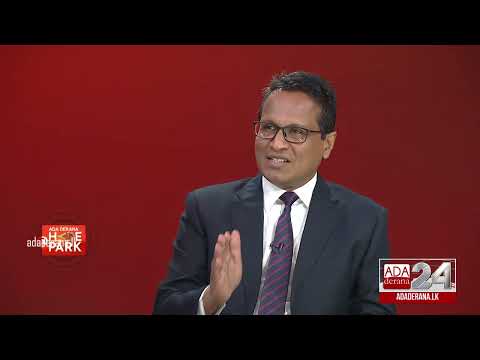
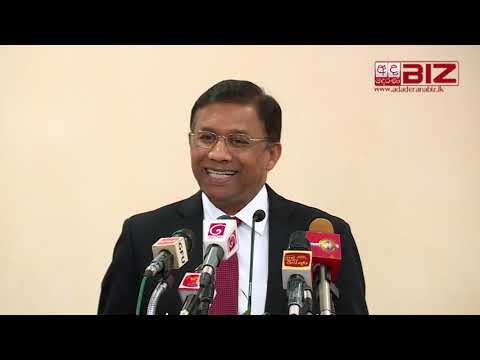
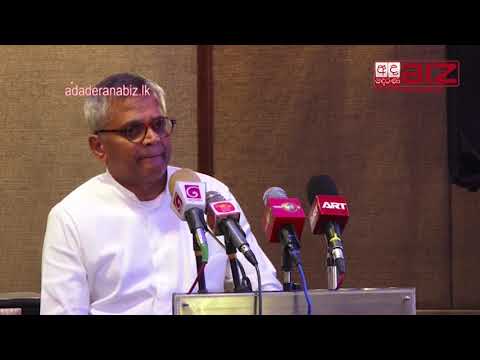
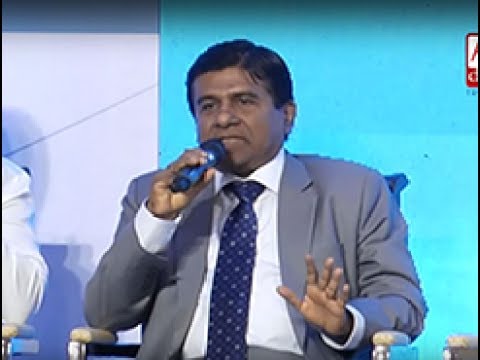
"Sri Lanka's exporters fully support ethical trade and the elimination of forced labour from global supply chains. However, any new compliance regime must be supported by clear implementation guidelines and meaningful stakeholder consultation to ensure that legitimate trade is not adversely affected. A transparent, practical and risk-based approach will help achieve the objectives of the regulation while preserving Sri Lanka's competitiveness as a trading nation," said Nalaka Ratnayake, Chairman of the Exporters Association of Sri Lanka.
About EASL
The Exporters Association of Sri Lanka represents exporters across a wide range of sectors and works closely with policymakers and stakeholders to promote policies that enhance Sri Lanka's export competitiveness, trade facilitation and sustainable economic growth.
Nalaka Ratnayake
Chairman
Exporters Association of Sri Lanka
Video Story