

July, 23, 2026
The Geoffrey Bawa Moonamal Award introduces a new way of thinking about design in Sri Lanka, one that considers the needs of people while giving equal importance to the land, water, wildlife and natural systems around them.
Launched by the Geoffrey Bawa Trust, the Award aims to recognise innovative design that promotes human coexistence with nature. These designs may span restored landscapes, biodiversity-conscious infrastructure, public spaces rooted in the context of their surroundings, or policies that guide the development of built environments in a more responsible direction.
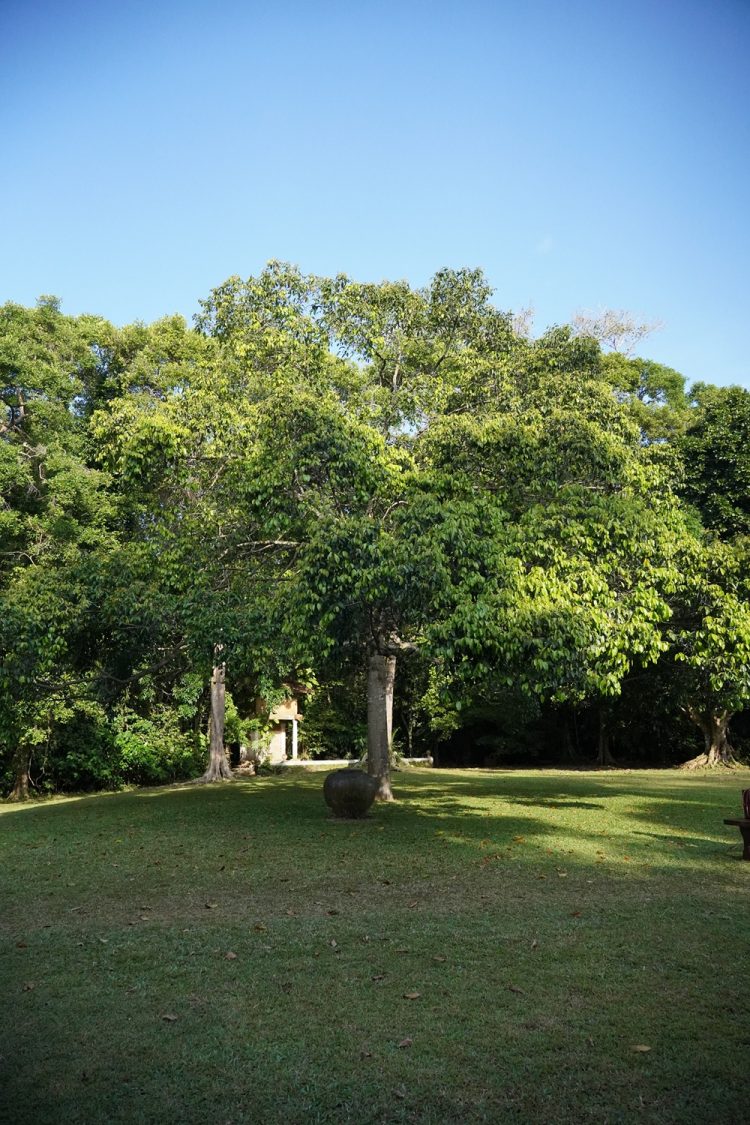
The Award takes its name from the indigenous Moonamal tree at Lunuganga, Geoffrey Bawa’s garden in Bentota. The tree reflects a simple principle that underpins the Award: good design should respond to a place rather than overpower it. In the case of the Moonamal Award, the importance of place is tied to the ecological past and present of a site.
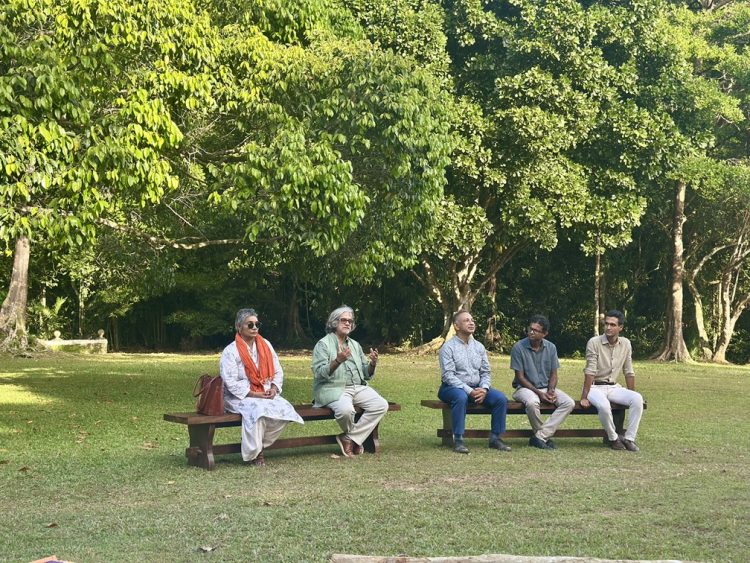
“The Moonamal Award is intended to be a national platform that brings to light alternative ways of designing human spaces”, said Channa Daswatte, Chairperson - Geoffrey Bawa and Lunuganga Trusts. “Sri Lanka already has a rich heritage of nature-conscious design, which is evident is ancient sites such as Ritigala and Kaludiya Pokuna. These precedents must be combined with global conversations – ideas like ‘sponge cities’ which combine ecological health with disaster mitigation, or long-range wildlife corridors which allow biodiversity to exist alongside human infrastructure. The Award is about identifying and incentivizing these efforts in Sri Lanka, and showing that better outcomes are possible when different forms of knowledge come together.”
The Moonamal Award will consider applications under two streams. The Built Environment, which includes architecture, infrastructure, urban initiatives and landscape design; and Public Policy, which recognises policies that enable or encourage environmentally responsibledesign and constuction. It is open to individuals, organisations, community groups, public institutions and multidisciplinary teams, provided the work has been implemented in Sri Lanka.
Finding the existing norms of sustainable building inadequate to address complex ecological problems, the Award puts forward four key principles which will guide the assessment of entries. Projects should consider the needs of plants, animals and ecosystems alongside those of people; repair environmental damage; help natural systems recover; and involve collaboration across communities and professions. These principles are intended to guide practical ways of addressing issues such as erosion, polluted waterways, habitat loss, pressure on natural resources and construction that is poorly suited to its setting.
The Award also places Sri Lanka within a wider international conversation about how societies can grow without weakening the natural systems on which communities and economies depend. While many global examples draw from resource-rich countries, the Award aims to encourage projects which adapt and apply global thinking in local contexts.
“Encouraging such solutions is vital for communities in the global south, where the effects of the climate and biodiversity crises will be felt most strongly in the future”, added Daswatte.
Applications will open in August 2026 through an online portal. Eligible projects must have been implemented within the past ten years and completed for at least one year, allowing the results to be assessed over time. The inaugural shortlist and winner are expected to be announced in mid-2027.
Video Story