Sri Lanka is taking an innovative step toward strengthening its public health surveillance system by introducing wastewater and environmental surveillance (WES) approach that can detect pathogens circulating in communities even before cases are reported through traditional health systems. A recent WHO-supported mission helped lay the groundwork for establishing the country's first sustainable, multi-pathogen WES programme, including surveillance for poliovirus.
Wastewater surveillance has emerged globally as a powerful tool for monitoring infectious diseases, providing valuable insights into community-level transmission. By testing sewage and environmental samples, public health authorities can identify pathogens circulating among populations and use this information to guide preventive and response measures.
Sri Lanka's effort is being supported through investments from the Pandemic Fund, creating an opportunity to establish systems for both poliovirus surveillance and a broader multi-pathogen approach that can contribute to the country's public health intelligence capabilities.
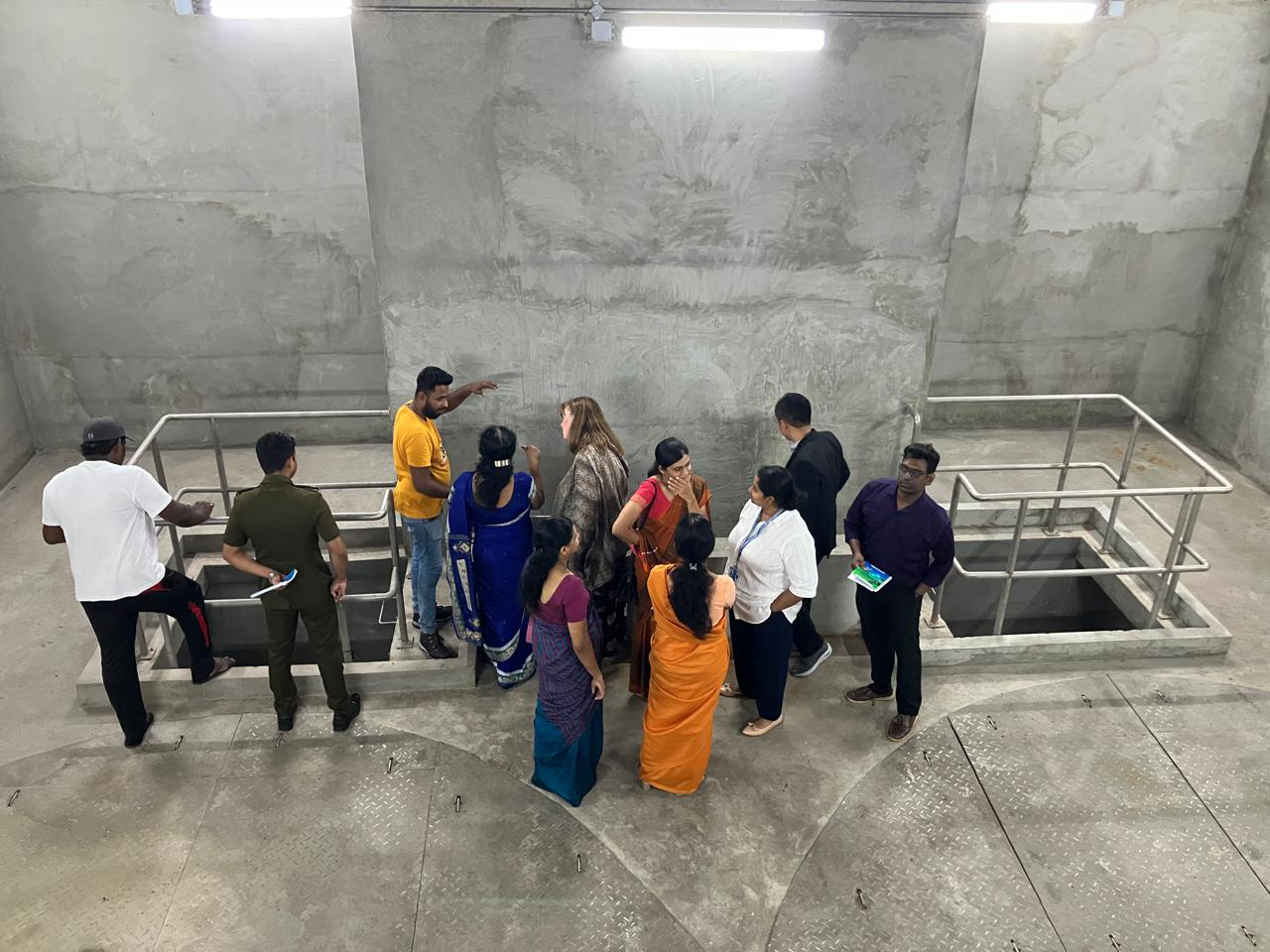
From 13–17 July 2026, WHO experts worked with the Ministry of Health, Medical Research Institute (MRI), Colombo Municipal Council, Health Information Unit and WHO Sri Lanka to assess readiness and identify priorities for implementation. The mission included technical consultations, field visits to Colombo's sewer network and discussions on governance, laboratory systems, sampling arrangements and data integration. The mission debriefing was held in the presence of Dr Asela Gunawardena, Director General of Health Services and Dr Rajesh Sambhajiraro Pandav, WHO Representative to Sri Lanka.
The mission found strong commitment across institutions and identified practical opportunities to establish surveillance at selected locations within Colombo's sewer network, with potential future expansion to other parts of the country.
Sri Lanka already has several advantages that can accelerate implementation.
The Medical Research Institute has established laboratory capacity for poliovirus surveillance and has begun preparations for environmental testing. Meanwhile, the country's digital health systems including EPINET and other integrated health information platforms provide a strong foundation for collecting, analyzing and reporting WES data. Existing water-quality monitoring systems may also be adapted to support environmental surveillance activities.
These existing investments create opportunities to integrate WES into Sri Lanka's broaderMultisource Collaborative Surveillance (MSCS) framework, strengthening the country's ability to detect, interpret and respond to emerging health threats.
A Phased Roadmap for Implementation
The mission proposed a phased approach that brings together four parallel workstreams:
• Governance and coordination
• Sampling and field operations
• Laboratory testing and analysis
• Data management, interpretation and public health action
The roadmap includes establishing national coordination mechanisms, conducting a comprehensive capability assessment, finalizing sampling and laboratory arrangements, strengthening data integration and implementing a multi-pathogen pilot programme.
A pilot lasting at least 12 months is expected to generate the operational evidence needed to assess feasibility, value, cost and sustainability before Pandemic Fund support concludes in 2028.
Investing in Sustainable Surveillance
The mission emphasized that prompt action will be essential to capitalize on the limited implementation window. Priority actions include establishing governance arrangements, strengthening laboratory processing capacity, accelerating procurement and implementing a national strategic planning process for WES.
WHO will continue to provide technical support and facilitate connections with regional wastewater surveillance initiatives and knowledge-sharing networks to help Sri Lanka build a sustainable programme that can support national preparedness and response efforts well beyond the current funding period.
WHO Representative to Sri Lanka, Dr Rajesh Sambhajirao Pandavimportantly emphasized,"Wastewater and environmental surveillance offers a valuable new source of public health intelligence. By integrating environmental data with existing surveillance systems, Sri Lanka can strengthen its ability to detect health threats early, guide public health action and enhance preparedness for future emergencies."
Photo - Visiting Vystwyke pumping station in Colombo North area, the WHO mission team observed the sewer network and identified initial sampling sites. (Credits – Dr Sameera Hewage / WHO)