

September, 14, 2026
Deloitte Sri Lanka recently hosted an exclusive forum, “Beyond Compliance: Unlocking Strategic Value Through Sustainability”, bringing together business leaders, sustainability practitioners and industry stakeholders to examine regulatory, reporting and market developments shaping sustainability priorities for Sri Lankan businesses.
The forum reflected the growing influence of sustainability on business strategy, governance, risk management, access to finance and long-term value creation as expectations continue to evolve.
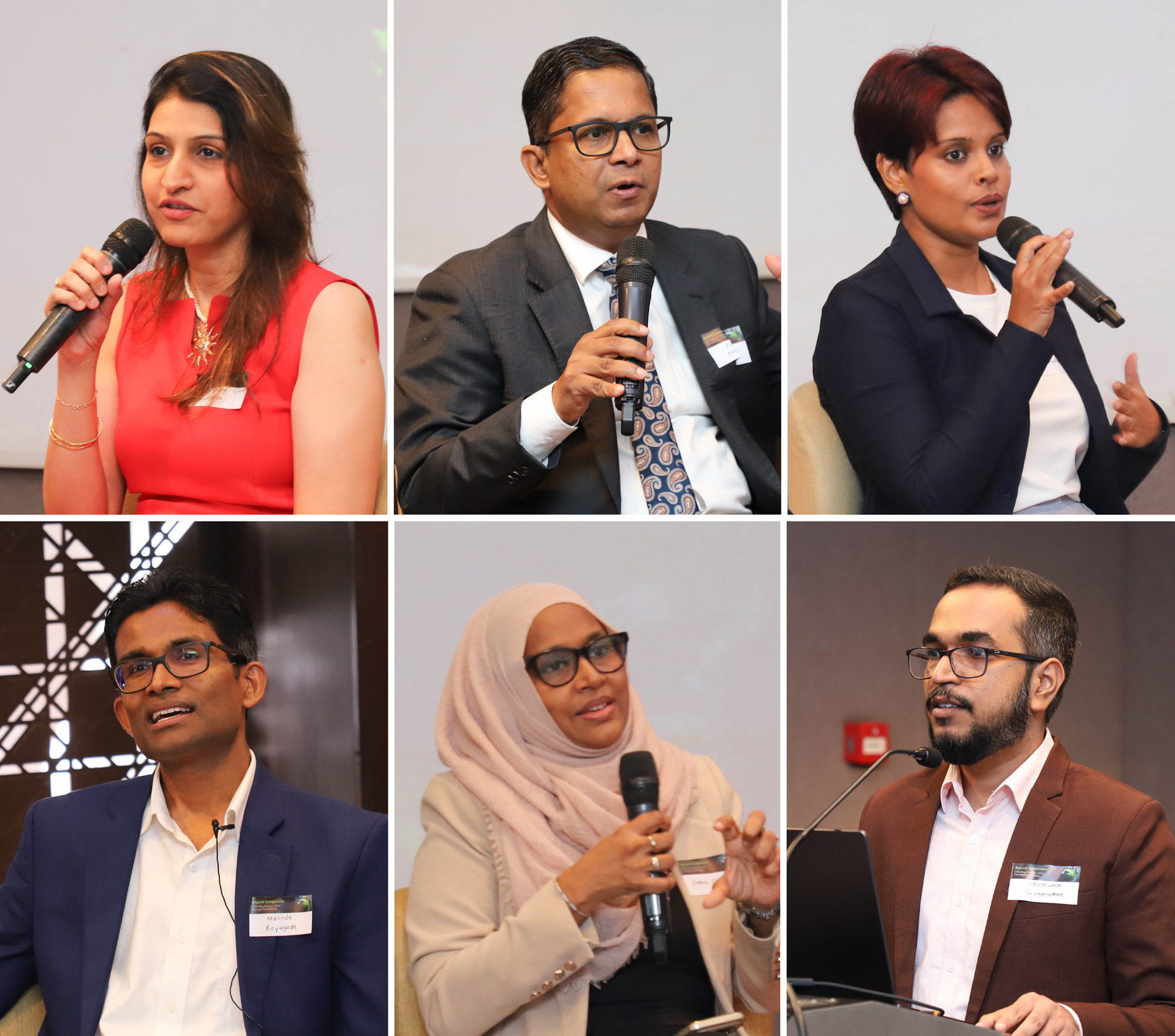
Opening the session, Chathumin Gunarathne, Partner - Sustainability & Emerging Assurance, Deloitte Sri Lanka, outlined key developments in Sri Lanka’s sustainability reporting and assurance landscape, including the implementation of Sri Lanka Financial Reporting Standards (SLFRS) S1 and S2 and the introduction of the International Standard on Sustainability Assurance 5000 (ISSA 5000). He highlighted the growing connection between sustainability and business performance, while emphasising the need for organisations to strengthen internal controls, systems, processes and data as they prepare for greater assurance over sustainability information.
Reflecting on the broader shift in the business landscape, Chathumin said, “Sustainability has been recognised as one of the top three business priorities in a recent Deloitte global survey. We can also see how investments in sustainability initiatives are beginning to affect the top line of businesses. Sustainability has therefore become part and parcel of business transformation. We can no longer disregard sustainability related risks and opportunities.”
Building on this broader context, Saviesha Samaraweera, Manager - Sustainability & Emerging Assurance, Deloitte Sri Lanka, explored nature and biodiversity related risks through a business and financial lens. She highlighted how organisations depend on natural systems and ecosystem services, and how disruption can affect costs, supply chains and future cash flows. Real-world examples and case studies were used to illustrate these risks and their business implications. She also introduced the Taskforce on Nature related Financial Disclosures (TNFD) framework and its Locate, Evaluate, Assess and Prepare (LEAP) approach for assessing nature related dependencies, impacts, risks and opportunities in business decision making.
The forum also considered Extended Producer Responsibility (EPR) and circularity, including the importance of product design, recovery systems, traceability and credible data as businesses prepare for evolving sustainability requirements.
The panel discussion was moderated by Malinda Boyagoda, Partner - Assurance Leader & Industry Leader for Financial Services, Deloitte Sri Lanka & Maldives, who highlighted the importance of leadership in embedding sustainability, noting, “Governance plays a pivotal role. The tone at the top is one of the most important factors in embedding sustainability in its real sense.”
The panel also featured Dr. Gargi Ghorpade, Partner - ESG, Advisory & Reporting, Deloitte India; Kusal Nissanka, Executive Vice President - Finance, Administration and Sustainability, Colombo Stock Exchange; Prashani Illangasekera, leading expert in the corporate reporting landscape of Sri Lanka; and Zahra Cader, ESG, Government & Public Services Leader, Deloitte Sri Lanka & Maldives.
Dr. Gargi brought a broader regional perspective to the discussion, emphasising the need to approach sustainability holistically across Environmental, Social and Governance (ESG) considerations, human capital, responsible supply chains and emerging technologies. She highlighted the importance of strengthening governance, data quality and assurance as sustainability reporting evolves, while encouraging businesses to look beyond compliance towards measurable impact, resilience and long-term competitiveness. She also emphasised the importance of preparing early for emerging sustainability requirements, given that the cost of failing to adapt can ultimately outweigh the cost of compliance.
Zahra highlighted the role of leadership, organisational culture and accountability in embedding sustainability into decision making. Reflecting on how sustainability should be integrated into business decisions, she noted, “Sustainability should not sit as a completely separate agenda item. It should be connected to the agenda items that boards already deal with. Sustainability is linked to strategy, risk and finance.”
Through “Beyond Compliance: Unlocking Strategic Value Through Sustainability”, Deloitte Sri Lanka brought together emerging regulatory, environmental, financial and governance priorities to support stronger business decisions, resilience and long-term value creation.
Complementing the discussion, Deloitte also shared its thought leadership report, Embedding Circular Economy Strategies in Sri Lankan Businesses: Preparing for the Emerging Extended Producer Responsibility (EPR) Landscape. Developed by Dr. Gargi Ghorpade and her team, the report provides practical guidance on Sri Lanka’s evolving EPR landscape and circularity readiness.
Video Story