

October, 5, 2026
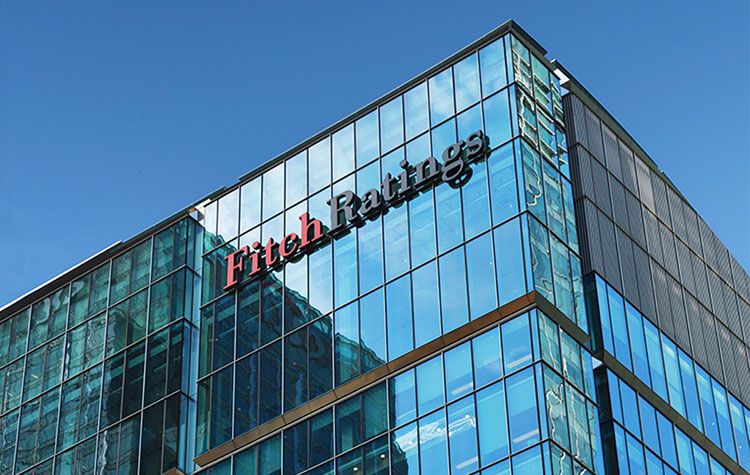
Fitch Ratings: Fitch Ratings expects Sri Lanka's Islamic finance industry to grow over the medium term, supported by regulatory progress, rising political will, and expanding conventional-bank participation through Islamic windows. Sri Lanka’s Islamic finance industry exceeded USD1 billion at end-1H26. Sri Lanka has one of the highest Islamic finance penetration rates among countries with Muslim-minority populations. However, the industry will likely remain niche due to the population mix, persistent demand-supply gaps, and a weak operating environment.
Muslims are a minority at around 10% of the population, which could constrain mainstream relevance. Limited distribution channels, product gaps compared to conventional banks, and a still-nascent Islamic finance ecosystem further stifle growth. Islamic banking accounted for about 91% of Islamic finance industry assets, followed by takaful at around 4% and non-bank financial institutions at around 3%. Islamic funds and sukuk each represented less than 1% of the total.
Fitch rated the first and only sukuk listed on the Colombo Stock Exchange (CSE), issued in 2025 by Vidullanka PLC (A+(lka)/Stable), amounting to LKR500 million (USD1.5 million). The sukuk market remains nascent. The Securities and Exchange Commission of Sri Lanka (SEC) and the CSE developed a regulatory framework for listing sukuk, approved in 2023. In 2024, the SEC published guidelines for accredited sharia scholars entrusted with certifying sharia compliance, supporting standard-setting and market credibility. Limited access to international sukuk investors and a relatively small domestic sharia-sensitive investor base may have constrained further issuance.
Amana Bank PLC (BBB-(lka)/Stable), Sri Lanka’s only fully fledged Islamic bank, held around 60% of Islamic banking assets. Islamic windows of conventional banks held the remainder. Islamic banking remains small in Sri Lanka, accounting for around 1.3% of banking system assets and 1.4% of deposits at end-1H26, up from 1.0% and 1.2%, respectively, in 2024.
Amana Bank’s assets increased by 7% yoy to around LKR215 billion (USD641 million) at end-1H26, while deposits rose by 6.5% to around LKR180.3 billion (USD537 million). The Islamic Development Bank (AAA/Stable) and IB Growth Fund together hold a 28.2% stake in the bank. Bank Islam Malaysia Berhad is its fifth-largest shareholder. These shareholders support knowledge transfer from established Islamic finance institutions. Amana Bank is covered by the Sri Lanka Deposit Insurance Scheme.
Amana Bank does not invest in government securities due to sharia restrictions, unlike peers. The introduction of sharia-compliant alternatives to treasury instruments would further strengthen Islamic banking and provide additional options for liquidity management. The bank parks excess liquidity in interbank placements, resulting in exposure to the sovereign's credit profile through systemic linkages.
Interest in Islamic banking is rising among many Fitch-rated conventional banks, some of which have operated Islamic windows for over a decade, while others entered the segment recently. Total assets of Islamic windows collectively rose by around 26% year to date in 1H26, outpacing Amana Bank.
Amana Takaful PLC and Amana Takaful Life PLC (both not rated) are Sri Lanka's only full-fledged takaful operators. Their combined assets grew by around 32% yoy by end-2025, outpacing the insurance industry's 18% growth. However, their market presence remained limited, with just over 1% of the insurance sector's total assets and about 2% of gross written premiums at end-2025. Several other insurance companies offer takaful products through dedicated takaful arms, supporting the segment's gradual expansion.
Sri Lanka's Islamic fund assets under management exceeded USD5.5 million in early August, having increased by around 35% from the beginning of the year.
Video Story