

October, 7, 2026
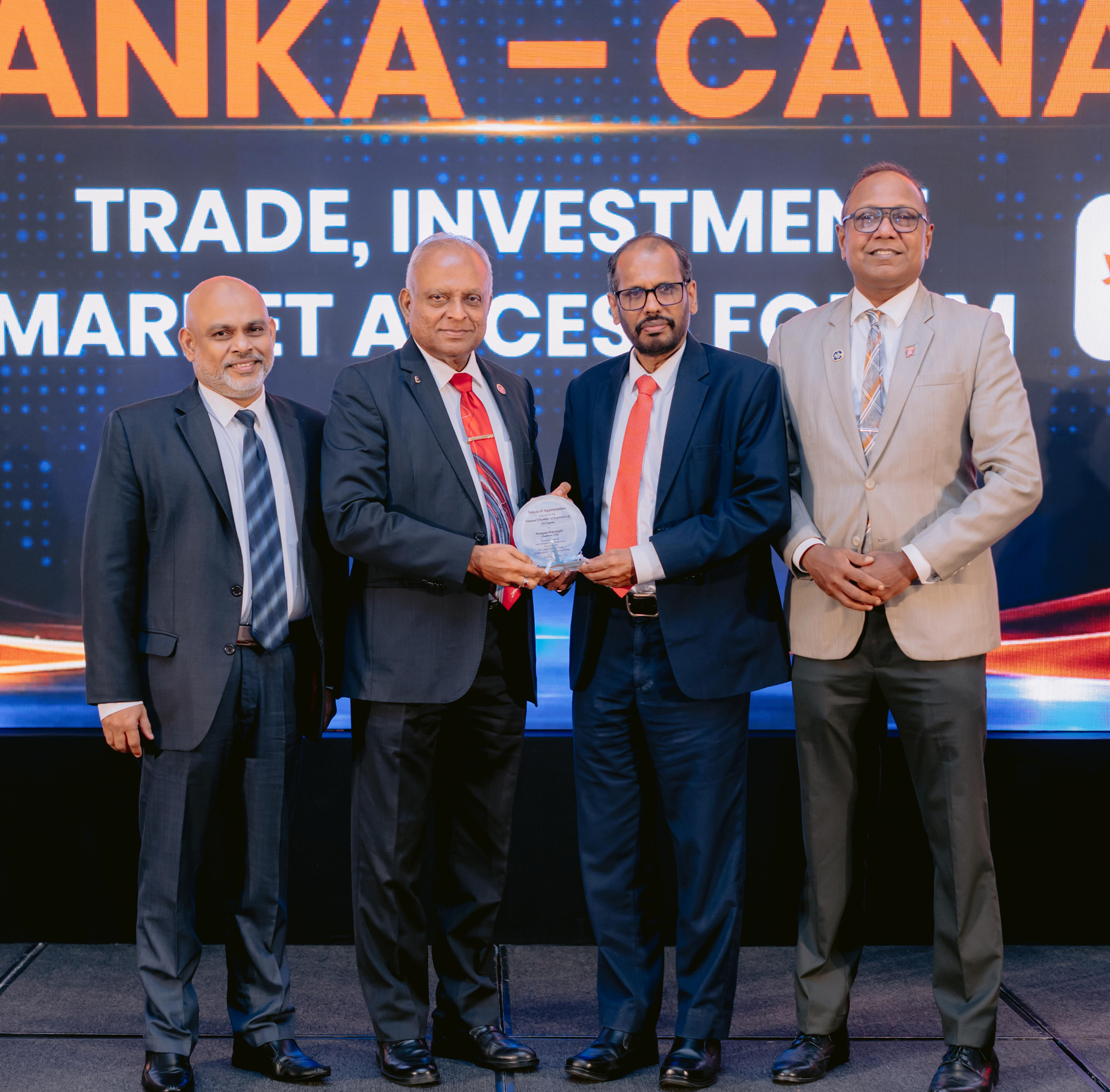
The National Chamber of Exporters of Sri Lanka (NCE), in partnership with the Canadian Chamber of Commerce in Sri Lanka (CanCham), convened the Sri Lanka–Canada Trade, Investment & Market Access Forum on 21 September at the Cinnamon Grand Colombo, bringing together exporters, policymakers, diplomatic representatives, and business leaders to examine opportunities and challenges in expanding bilateral trade, improving market access, and attracting Canadian investment.
The forum focused on several key areas, including Sri Lanka’s current market share in Canada’s apparel market, the competitiveness and ways and means of enhancing export growth of non-apparel exports and vast opportunities available for Canadian investments towards Sri Lanka. The programme was an eye opener for the participants with detailed analysis of trade statistics, market intelligence and a platform to engage directly with policymakers and private sector representatives.
Delivering the opening address, the NCE President stated that the forum was intended to move beyond conventional discussions on trade volumes and focus on the business relationships needed to develop trade and investment between the two countries.
“International trade is ultimately not about statistics alone. It is about people, companies, partnerships, investment, innovation, and long-term relationships,” the NCE President said.
As Sri Lanka has established an export base across apparel, tea, rubber products, coconut and coconut-based products, spices, food and beverages, gem and jewelry, electronics, logistics, ICT, and professional services, he said the next phase should involve product diversification, higher value addition, innovative products, to widen the market reach at a time Canada’s trade prospects are at a rapid growth.
Canada is Sri Lanka’s 8th largest export destination, with exports reaching over USD 317.08 million in 2025.
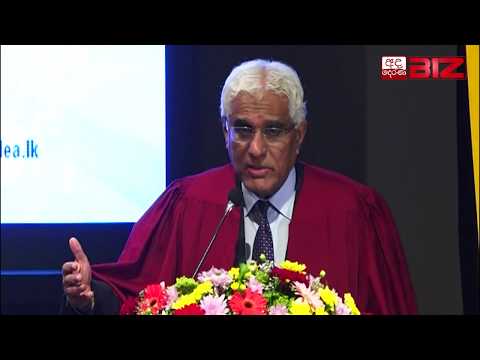
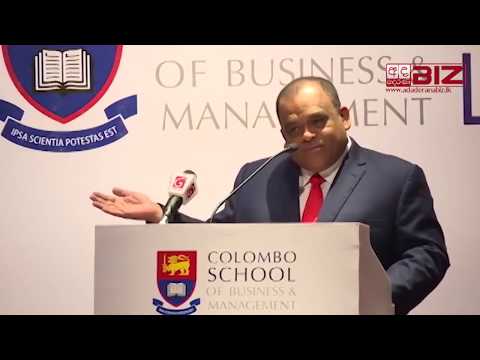
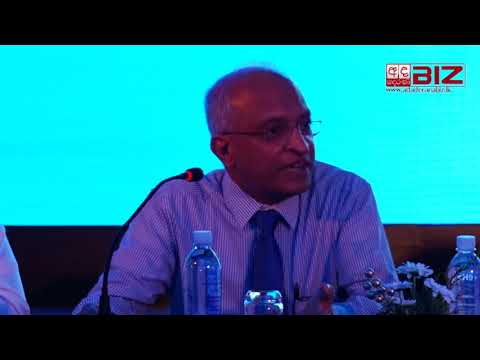
Delivering the keynote address, Export Development Board (EDB) Chairman Mangala Wijesinghe discussed where Sri Lanka's export sector stands, the opportunities that exist in the Canadian market, most importantly, how Sri Lanka can build a deeper and more diversified economic partnership with Canada. He noted that Sri Lanka needed to move towards
value added exports and improved participation in global value chains. He mentioned opportunities in coconut-based products, spices, specialized rubber products, food and beverages, electrical and electronic products, and ICT services.
“The next step in our export journey is not simply about exporting greater volumes, but to focus on exporting value added products, deriving enhanced value,. The Canadian market offers greater potential for Sri Lankan products, given that it’s high per capita income.. It is a sophisticated market with consumers and businesses that value quality, reliability, innovation, sustainability, and responsible sourcing,” Wijesinghe said.
He further highlighted that Sri Lanka’s coconut export sector had exceeded USD 1 billion, recording more than 42% growth. The food and beverage sector recorded annual growth of 15%.
CanCham co-founder and board director Mohamed Hameez, delivering the Chamber’s address, said the relationship between the two countries should go beyond conventional trade arrangements to include investment, technology, skills, and business partnerships. He noted opportunities in education and skills development, healthcare and wellness, agriculture, energy, and financial services, with particular attention to SMEs, women entrepreneurs, and young businesses.
“Canada offers what Sri Lanka needs to scale, which include technology, innovation, investment capital, world-class education, and access to non-governmental markets. This is not a one-year opportunity , it is a partnership of mutual value. At CanCham Sri Lanka, our mission is clear , we do not want to be another business chain , instead , we want to be a bridge, a builder, and a gateway,” Hameez said. Canada is the 13th largest market in the world, and 75% of the country’s imports reaches provinces of Ontario and Quebec, while British Columbia receives 10%.
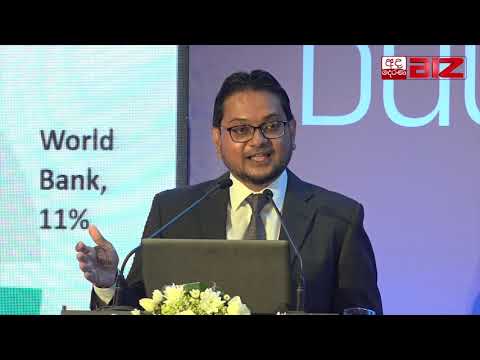
The presentation on the Canadian market by Yasoji Gunawardena, Consul (Commercial), Consulate General of Sri Lanka in Toronto, provided practical approach that exporters should adopt, including closure focus on consumer preferences, distribution channels, regulatory requirements, and market entry considerations.
She noted that Canada, with a population of around 41 million, should be viewed as a market in its own right, with established distribution channels and its own consumer preferences. In addition to the apparel and textile sector, she highlighted Sri Lanka’s presence in coconut-based products, spices, processed foods, tea, and other products. She also encouraged exporters to make better use of trade fairs, and digital platforms when developing strategies to enter such a sophisticated market.
Canada’s apparel import market stands at approximately USD 11 billion in 2025, with Sri Lanka accounting for an estimated modest share of 1.6%. Sri Lankan apparel exports to Canada are subject to an 8% -15% Most-Favored-Nation tariff, while Bangladesh and Vietnam benefit from duty-free access under their respective preferential arrangements. The disparity in market
access was identified as an important factor affecting the competitiveness of Sri Lankan apparel exporters.
The discussion also examined tariff conditions facing non-apparel exports, including agricultural and food products, cocopeat, sea food, rubber based products, industrial and surgical gloves, and motor vehicle parts. The forum noted that a number of competing countries benefit from duty-free or preferential access to Canada, creating a competitive environment for Sri Lankan exporters.
The forum further highlighted the scope available in Canada for a wider range of Sri Lankan products. Canada’s estimated 2025 imports included approximately USD 50 billion in food and agricultural products, USD 4.2 billion in rubber products and gloves, USD 150 million in tea, USD 140million in activated carbon, and USD 30 million in cocopeat and coconut products.
Investment opportunities were another key focus of the forum. Historically, FDI from Canada has been moderate, at approximately USD 120 million, while Canadian institutional investment in India had exceeded USD 20 billion by 2025, which raised the question of whether there is room for Sri Lanka to follow a similar investment path as comparable industry opportunities emerge. Priority areas identified for higher Canadian investment in Sri Lanka included high-tech agriculture, digital infrastructure, transportation and logistics, renewable energy, and commercial real estate.
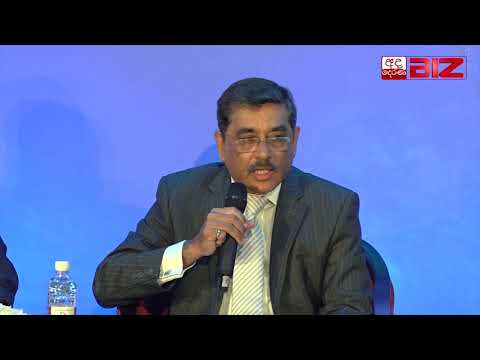
The panel discussion, moderated by NCE Council Member and Managing Director of Green Keepers (Pvt) Ltd. Edward Fernando included the Designated High Commissioner of Sri Lanka to Canada Rohan Ambegolla, Director General of the Department of Commerce Charitha Yattogoda, and Nilupul De Silva, Secretary General and Executive Director of the Canadian Chamber of Commerce in Sri Lanka.
The panel examined the established much needed relationships with the two nations, over 300,000 to 500,000 Sri Lankan nationals holding citizenship in Canada, growing trade and investments bridged by art, music, theatre and great cultural interest with respect earned over the new political culture in Sri Lanka as the solid foundation for NCE and CanCham to launch strategic plans and to be a catalyst.
Given the competitive stance and Canada been a NICHE , is there a STRATEGY in place to position some of Sri Lanka’s products as Tier 2 / Tier 3 via RCEP to play in the value chain specially as an entry strategy to wider ASEAN Group , is one of the most interesting propositions evaluated at the discussions and the role to play by Sri Lanka Government and policy makers.
CanCham’s and NCE clearly identified the role in investment drive , matchmaking and to actively participate on Canada – Sri Lanka trade enhancements under an existing MoU.
Video Story