

October, 7, 2026
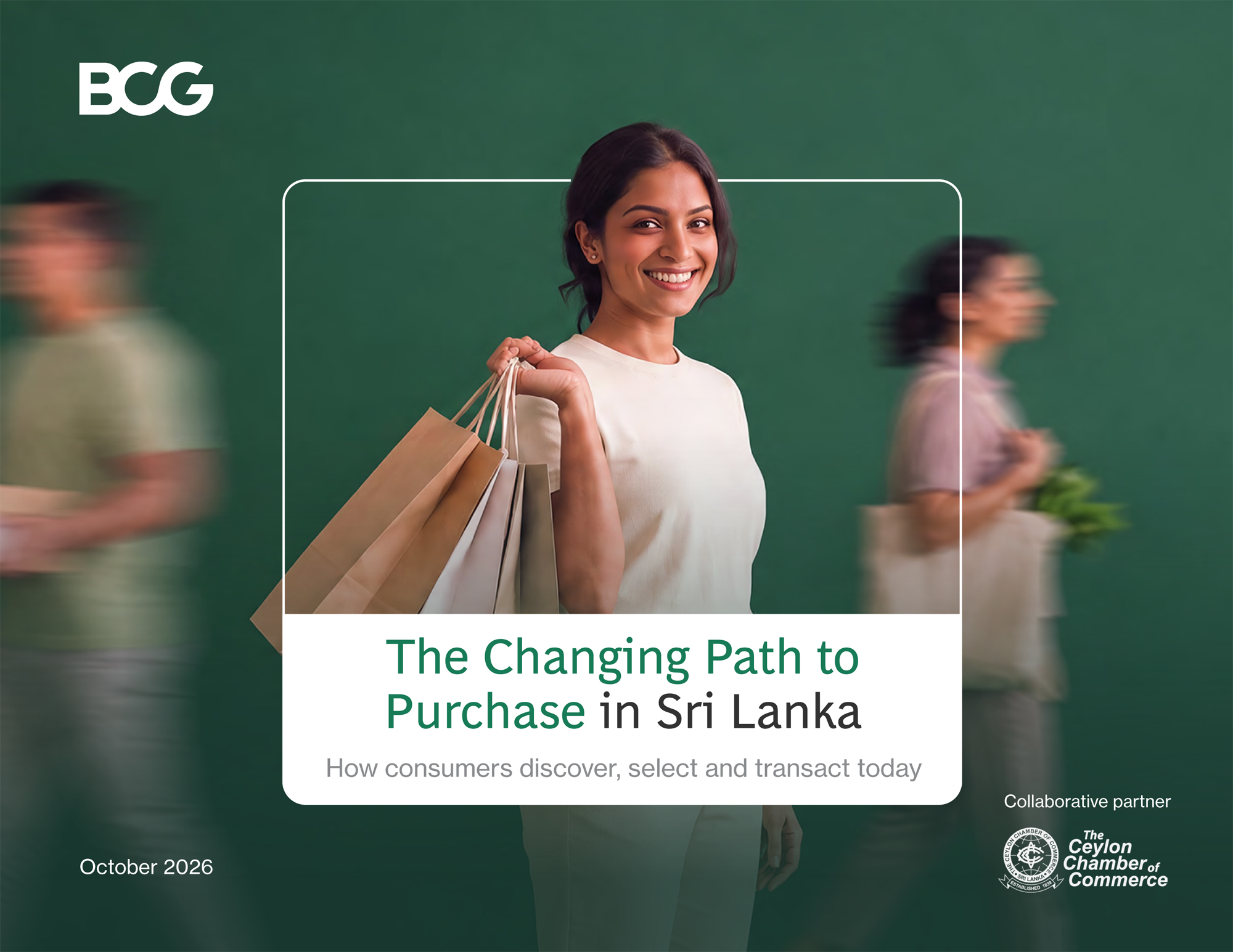
Boston Consulting Group (BCG) today (07) released a report, “The Changing Path to Purchase in Sri Lanka,” in collaboration with The Ceylon Chamber of Commerce. It examines how Sri Lanka discovers, selects and transacts in a recovering economy. Six years on from BCG's first study of the Sri Lankan consumer in 2020, the report set out to establish where that consumer now stands.
Sri Lanka has gone through a period of sustained economic pressure, and household consumption has recovered to a record level. The crisis, however, redrew where spending power sits and how families allocate what they have. It prompted shifts in consumer behaviour, some of which persist even after conditions have eased.
Key findings from the report
“Consumption has recovered to a record level, but the household behind that number is not the one companies planned for before the crisis. Essentials take a larger share of the wallet, and families are making more deliberate choices, category by category,” said Nishant Gupta, Managing Director & Senior Partner, BCG. “Broad recovery now masks finer differences in spending power and demand across income groups and geography. Companies will need to build their portfolios and their route-to-market around where demand actually lies.”
The path to purchase has also widened, with social platforms, video and now generative AI shaping which brands are considered, well before a consumer reaches the shelf.
“Familiarity still opens the door, but brands and channels now have to re-earn preference at every decision point,” said Parul Bajaj, India Leader – Marketing, Sales & Pricing and Managing Director & Partner, BCG. “Social media, YouTube and generative AI are increasingly shaping which brands enter the consideration set. For companies, that means moving marketing from reach to consideration.”
“Demand has returned, but it has returned in a different shape. Understanding where spending power now sits, and how households are prioritising it, will be central to how Sri Lankan businesses plan their next phase of growth,” said Shiran Fernando, Secretary General and Chief Executive Officer, The Ceylon Chamber of Commerce.
This sets out the structural shifts that brands and retailers now have to build around: demand pools that diverge by income and geography, sharper prioritisation of spend, shortlists increasingly shaped by digital discovery, and greater emphasis on earning preference and demonstration of value beyond price. It also explores how physical and digital channels are coming together along the path to purchase, and what these shifts mean for businesses across consumer goods, retail and banking.
Image Caption - Boston Consulting Group (BCG), in collaboration with The Ceylon Chamber of Commerce, launched its latest report, “The Changing Path to Purchase in Sri Lanka,” exploring evolving consumer trends.
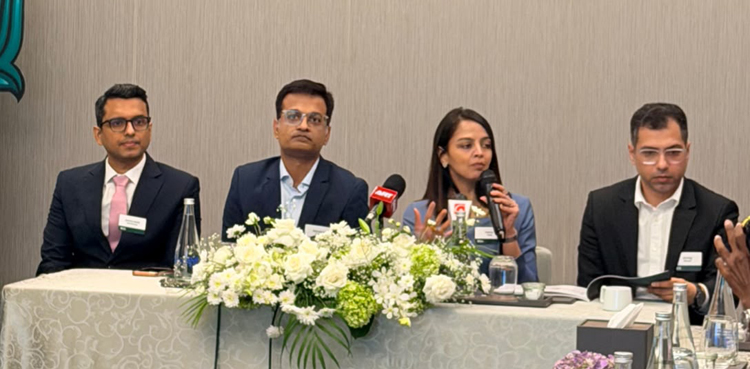
(From left to right): Anshuman Upadhyaya, Managing Director & Partner, BCG; Nishant Gupta, Managing Director & Senior Partner, BCG; Parul Bajaj, India Leader – Marketing, Sales & Pricing and Managing Director & Partner, BCG; and Devraj Bharati, Associate Director, BCG
Video Story