

February, 22, 2019
Sri Lanka is currently negotiating foreign currency swaps with three wealthy countries India, China and Qatar to the tune of over US $ 2 billion or more to manage country’s foreign reserves and debt repayments amidst the island nation has to pay over US $ 5.9 billion to service a portion of the debt this year in 2019, out of total debt which it has taken over since independence in 1948. According to analysts this year’s US $ 5.9 billion debt repayment is the highest ever in Sri Lanka’s over 2,500 year known political history that has another written legendary history record of over 5,000 years running to the times of Indian Epic Ramayanaya.
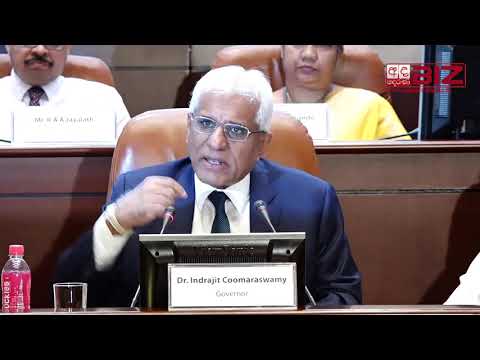
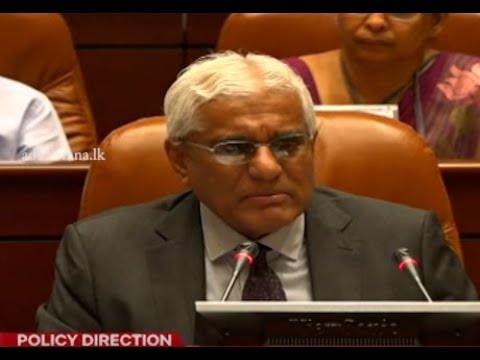
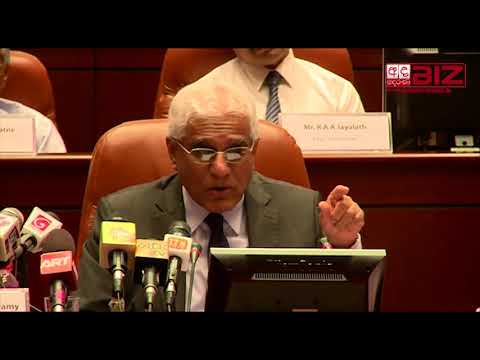
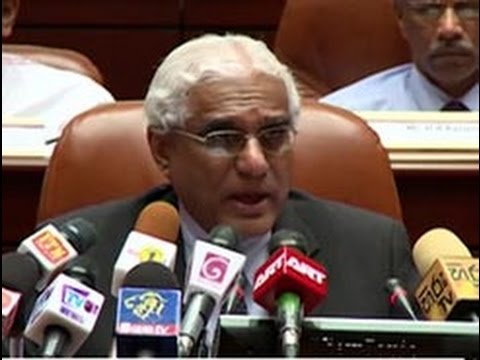
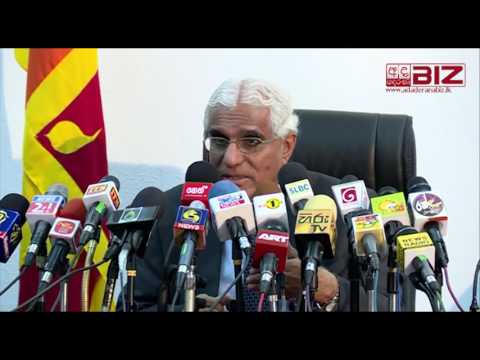
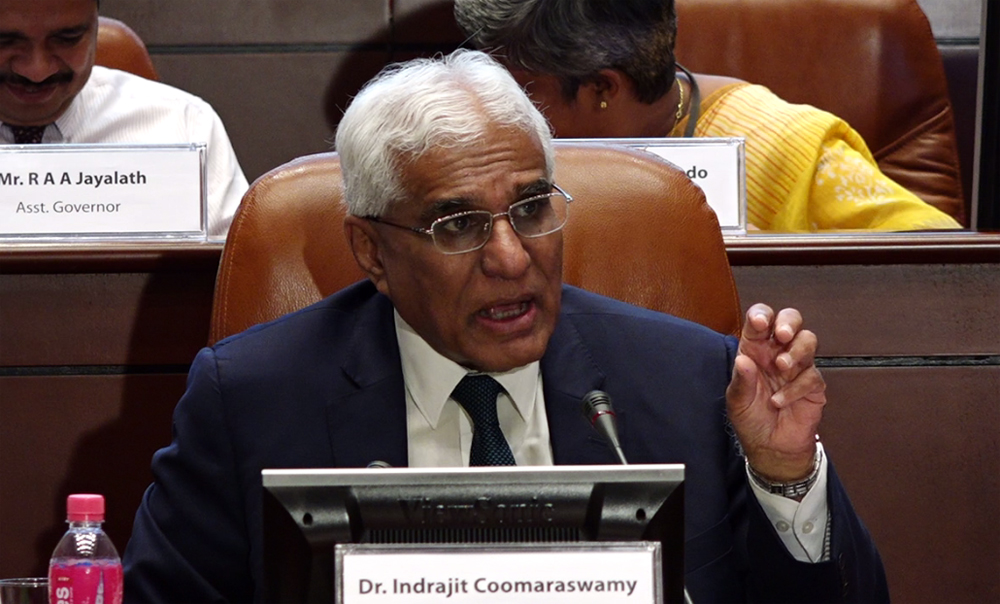
Sri Lanka’s Central Bank Governor Dr. Indrajit Coomaraswamy addressing meeting after the first Monetary Policy review for the year said that a US $ 400 million swap from the Reserve Bank of India was due shortly, and further Sri Lanka had also been offered a US $ 1.5 billion US equivalent Renminbi swap by the People's Bank of China which was also being studied. Coomaraswamy further said that Qatar's Central Bank has also offered a Riyal swap.
Analysts note that in a currency swap, the parties agree in advance whether or not they will exchange the principal amounts of the two currencies at the beginning of the transaction. The two principal amounts create an implied exchange rate. For example, if a swap involves exchanging €1 billion versus US $1.25 billion, that creates an implied EUR/USD exchange rate of 1.25. At maturity, the same two principal amounts must be exchanged, which creates exchange rate risk as the market may have moved far from 1.25 in the intervening years. Pricing is usually expressed as London Interbank Offered Rate (LIBOR), plus or minus a certain number of points, based on interest rate curves at inception and the credit risk of the two parties.
A currency swap can be done in several ways. Many swaps use simply notional principal amounts, which means that the principal amounts are used to calculate the interest due and payable each period but is not exchanged. If there is a full exchange of principal when the deal is initiated, the exchange is reversed at the maturity date. Currency swap maturities are negotiable for at least 10 years, making them a very flexible method of foreign exchange. Interest rates can be fixed or floating.
Meanwhile, Governor Coomaraswamy said that Sri Lanka was also in talks with the Bank of China for a US $ 300 million loan.
“Yen or Panda bonds would follow after a dollar bond sale” Governor Coomaraswamy said upon highlighting that Sri Lanka will sell US dollar sovereign bonds first and resort to other alternatives later as yields of sovereign bonds fell and external market conditions improved.
Reports notes that in the last quarter of 2018, Sri Lanka dropped plans to sell bonds after a political crisis was triggered on October 26 when President Maithripala Sirisena appointed former President Mahinda Rajapaksa as Prime Minister without a parliamentary majority. Since then Sovereign bond yields had risen but has come down to levels seen shortly before the crisis according to Governor Coomaraswamy.
Governor Coomaraswamy further said that Sovereign bonds would not be cheap but costs would now be 'reasonable', whilst Sri Lanka was planning to raise at least US $ 2.0 billion through sovereign bonds denominated in US dollar, yen, and renminbi. Governor further noted that Sri Lanka wanted to raise 5 to 10 year bonds, as part of a debt restructuring strategy. However, Coomaraswamy said he could not give a volume or details as Sri Lanka was under 'radio silence.'
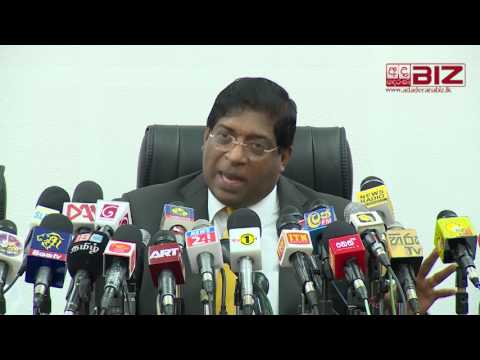
On the other hand Finance Minister Mangala Samaraweera has recently indicated that Sri Lanka may raise as much as US $ 3 billion US dollars from international bond markets in 2019.
Sri Lanka is also negotiating with the International Monetary Fund to resume a program, and Governor Coomaraswamy said talks with the IMF was 'constructive' and it was too early to give specific comments.
Analysts note that Sri Lanka is to repay foreign loans, with a record US $2.6 billion in foreign loans alone in the first three months of the 2019. Sri Lanka used its reserves to repay a US $ 1 billion sovereign bond loan in January. Governor said that another US $ 600 million has been repaid. And still it may mean that debt totaling US $ 4.3 billion remains to be paid this year, about US $ 1.2 billion of that amount consists of "U.S.-dollar-denominated bonds issued domestically that are generally rolled over, according to a previous comment made by Governor Coomaraswamy to reporters.
Reporting by Devendra Francis
Video Story