

March, 11, 2019

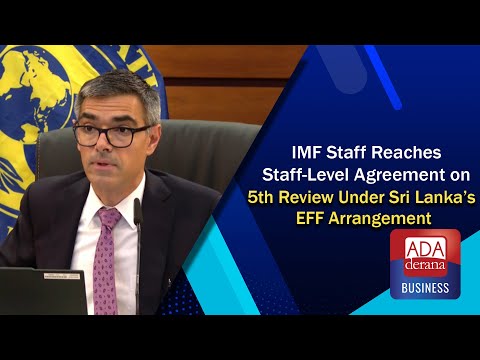
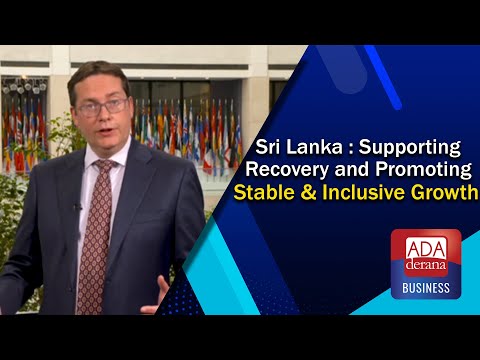
Sri Lanka’s Budget 2019 has got International Monetary Fund’s (IMF) support whilst Mission Chief for Sri Lanka Manuela Goretti had stressed that with Sri Lanka’s public debt at over 90% of GDP, large refinancing needs, and low reserve buffers, a prudent policy mix is necessary. She has also said that sustaining the fiscal consolidation effort and reform momentum is key to maintaining market confidence.
“With public debt at over 90% of GDP, large refinancing needs, and low reserve buffers, a prudent policy mix is necessary. Sustaining the fiscal consolidation effort and reform momentum is key to maintaining market confidence. The 2019 Budget recently announced by the Sri Lankan authorities strikes an adequate balance by advancing fiscal consolidation while also accommodating critical public spending and growth-friendly tax measures to mitigate the impact of the adjustment on the most vulnerable and support investment and growth,” Mission Chief for Sri Lanka Manuela Goretti said.
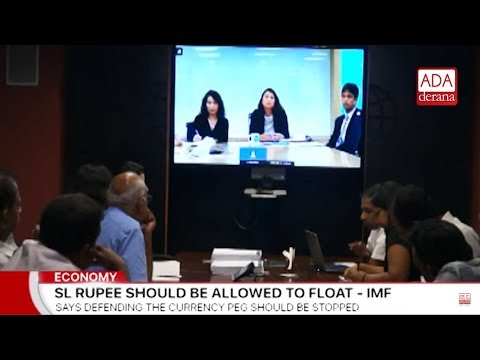
Speaking to reporters IMF Mission Chief for Sri Lanka Manuela Goretti had told that an extension of the US $1.5 billion Extended Fund Facility (EFF) is likely to go before the IMF Executive Board in May. The IMF has also cautioned against fiscal slippage which is described as “critical” to meet an estimated US $5.9 billion in debt repayment for 2019.
Budget 2019 has set an ambitious deficit target of 3.5% but has drawn criticism from the Opposition for increasing expenditure to provide a Rs. 2,500 salary increase to the public sector and a slew of other benefits, including increased pensions and tax cuts. Meanwhile experts have pointed out that revenue targets are too ambitious and unlikely to meet the levels expected by the Government even though the Inland Revenue Act will complete a full year in 2019.
Goretti had said that the Government’s fiscal consolidation targets are equally spread over 2019 and 2020, which put it in line to achieve the target of 3.5% Budget deficit next year.
“Continued fiscal discipline in 2019 is critical to safeguard fiscal sustainability and meet Sri Lanka’s large refinancing needs. The implementation of the Inland Revenue Act and other tax reforms will increase tax collections, while providing generous investment incentives for businesses. This will help reduce the fiscal deficit and place the debt to GDP ratio on a downward path, while preserving space for well-targeted social spending and critical public investment projects” Goretti had said.
“Putting the IMF program back on track after it was suspended during the 52-day Constitutional Crisis would require the Government returning to basics” Goretti had told reporters.
“There are three key elements to put the program back on track: implementing revenue-based fiscal consolidation and SOE reforms to put public debt on downward path; resuming efforts to rebuild foreign exchange buffers; and accelerating structural reforms. These elements are essential to address macroeconomic imbalances, strengthen the resilience of the economy to shocks, and lay the foundations for strong, sustainable and inclusive growth” she said.
Though 2019 is an election year, Goretti had encouraged the Government to follow through with transparent energy pricing, which was initially scheduled for 2017 but has been postponed multiple times.
Video Story