

April, 9, 2020
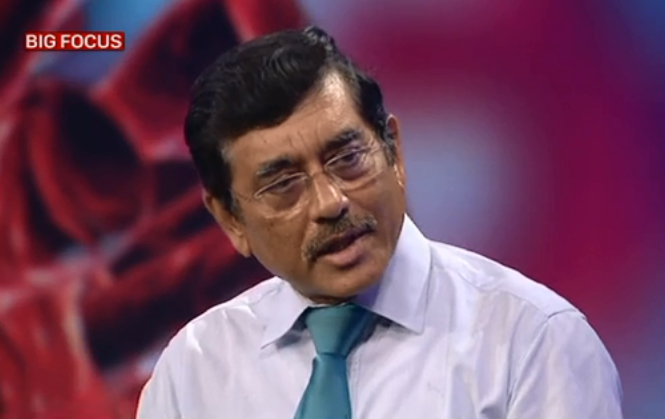
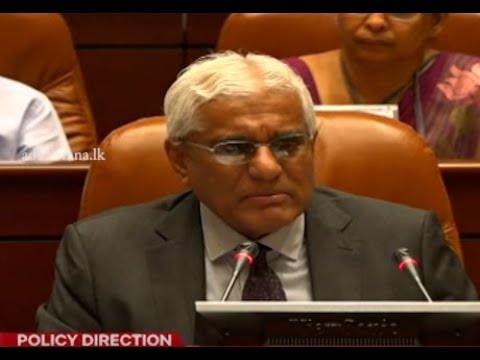
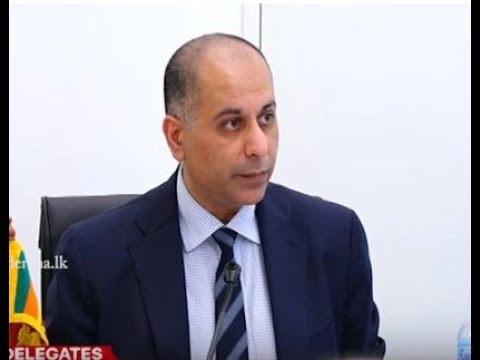
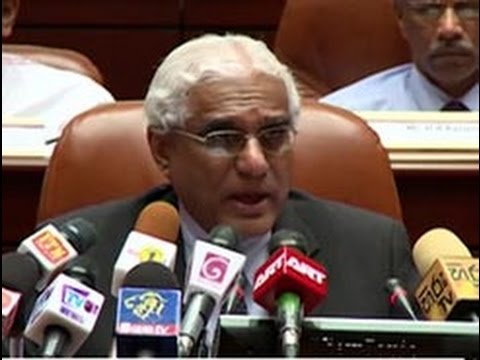
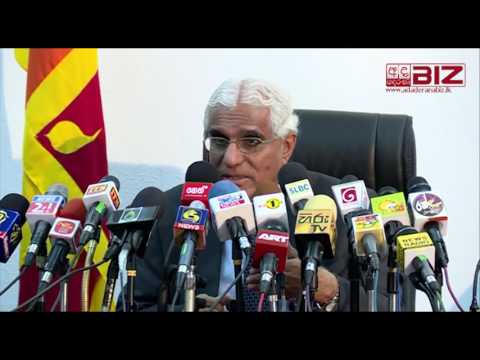
The Central Bank of Sri Lanka has requested $ 400 million from the Reserve Bank of India under the SAARC swap facility, Senior Deputy Governor of Sri Lanka’s central bank Dr. Nandalal Weerasinghe said.
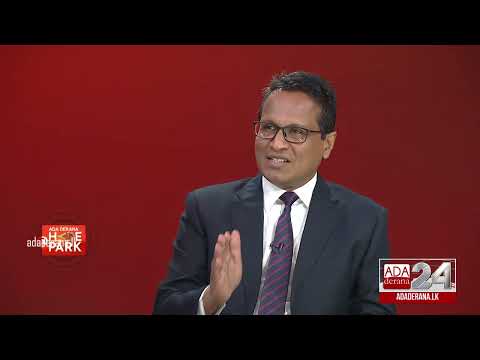
“India's amended currency swap fund for SAARC can assist countries facing debts. In 2015/2016 also we received a swap arrangement of $1 billion from the Reserve Bank of India (RBI). However, currently at the RBI there is a facility for each SAARC country for $400 million. So we have requested for it", Dr. Weerasinghe stated joining Ada Derana ‘Big Focus’ programme yesterday (08).
India recently approved amendments to the framework on currency swap arrangement for SAARC member countries by incorporating a stand-by facility of $ 400 million to assist countries like Sri Lanka and Maldives whose economies faced crisis by borrowing. The facility would enable India to provide a prompt response to the current request from SAARC member countries for availing the swap amount exceeding the present limit prescribed under the SAARC Swap Framework.
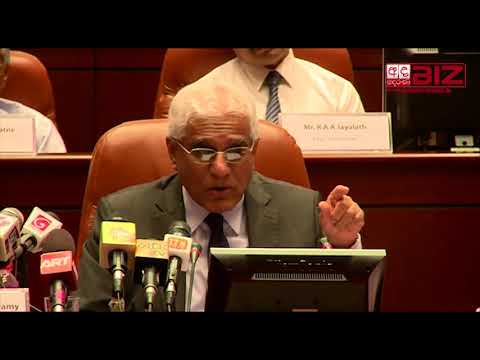
Weerasinghe also noted that a swap line request with the People's Bank of China (PBoC) is also being considered.
Speaking further he stated that Sri Lanka has about 7.5 billion US dollars in forex reserves, but the country is seeking more funds to repay debt.
“The biggest complication that the country has right now is paying the foreign currency debt specially with the dollar creeping high. However, we keep our forex reserves to use in such circumstances. Currently, Sri Lanka has about 7.5 billion US dollars in forex reserves," he said.
The Sri Lankan rupee, which remained broadly stable in the month of January as well as until the first week of March, depreciated sharply with the speculative behaviour in the market with the spread of COVID-19 outbreak.
The current buying rate of the US Dollar today (09) stands at Rs. 194.20 and selling rate of the US dollar stands at Rs. 200.47.
In this backdrop, The Central Bank of Sri Lanka introduced urgent measures to ease the pressure on the exchange rate and prevent financial market panic due to the COVID-19 pandemic.
Video Story