

June, 20, 2023
Select Committee on Ease of Doing Business Index stated that steps should be taken urgently as there is still no formal mechanism to regulate the business activities conducted via the internet, and to regulate payments of taxes from the companies involved in such businesses.
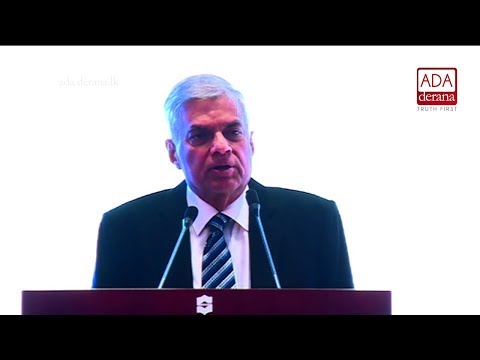
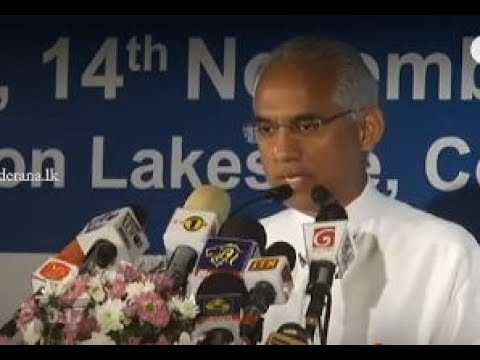
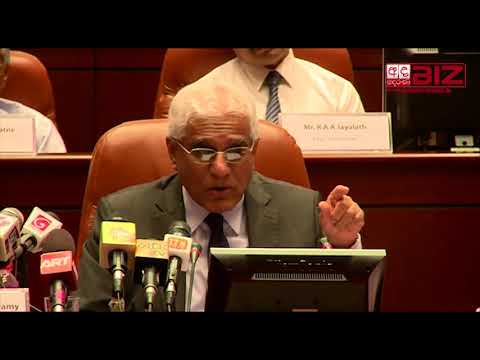
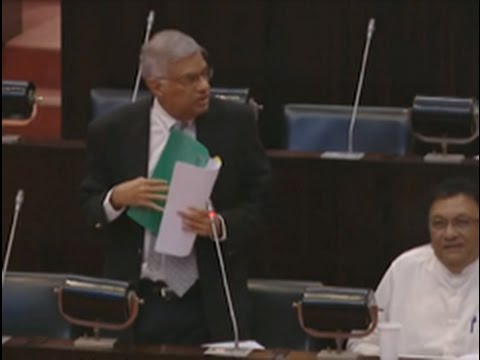
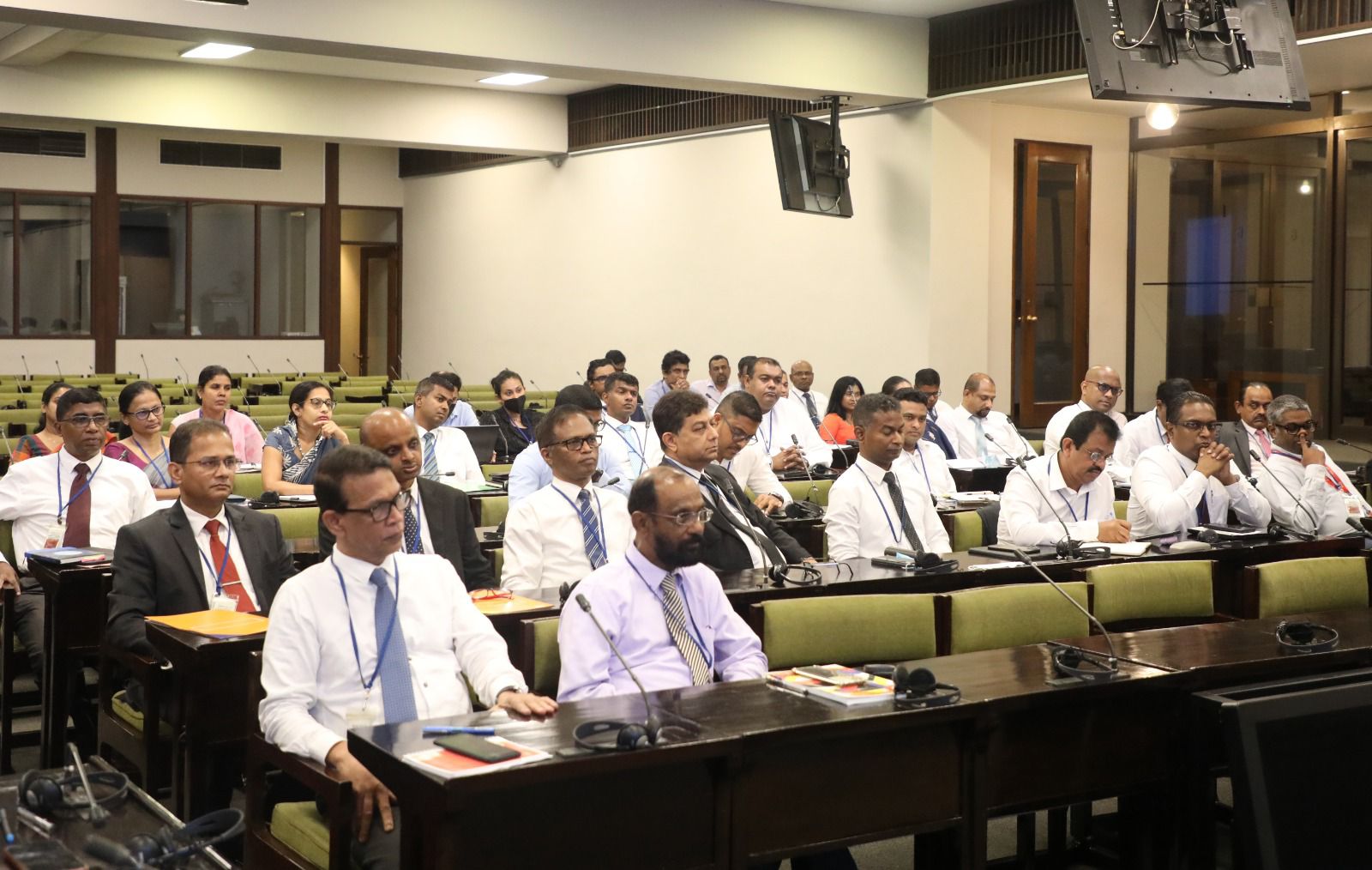
The above was taken into discussion at the Select Committee of Parliament to study the practical problems and difficulties that have arisen in relation to enhancing the rank in the Ease of Doing Business Index in Sri Lanka and make its proposals and recommendations held recently (13) under the Chairmanship of Hon. Madhura Withanage.
There was a wide discussion about an economy known as the gig economy, where a group of freelancers who work freely in the labor market are engaged in various economic activities, apart from the traditional labor services that exist between the employer and the employee.
It was revealed that some foreign companies doing business online are taking large amounts of money to bank accounts abroad without paying taxes. Accordingly, the need to create a common business environment for local companies and international companies engaged in business activities centered on the Internet was emphasized here.
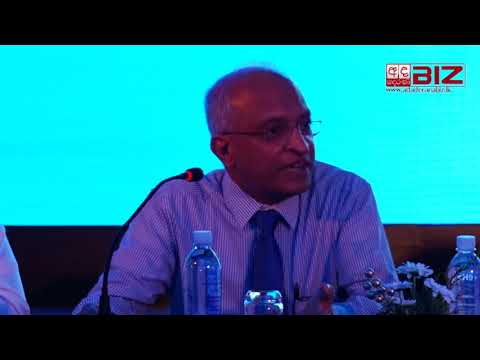
Heads of commercial banks, representatives of local and foreign companies doing business via Internet, representatives of credit card companies, central bank representatives and others participated in this committee meeting.
As the Gig Economy is growing rapidly along with the current technological development, the need to encourage business activities conducted via the Internet was pointed out. It was also suggested that a legal framework to regulate these businesses as well as a digital service tax should be introduced.
It was also discussed that it is necessary to create an environment to attract more companies involved in internet business to the country.
According to the declaration of the two-pillar solution to solve the tax challenges arising from economic digitization (G20 /OECD), out of the 140 member countries, only four countries, namely Sri Lanka, Pakistan, Kenya and Nigeria, have not signed the Global Corporate Tax Agreement.
At the same time, the Committee Chair also pointed out the need to promote digital transactions instead of currency notes and coins. The Chair advised the Committee to submit a report on the plan prepared by the Central Bank to promote digital transactions, which cost 3.2 billion annually for printing and issuing currency notes.
Members of Parliament Hon. Anura Priyadarshana Yapa, Hon. Mohomad Muzammil, Hon. Sanjeeva Edirimanna and Hon. Lalith Varna Kumara were present on this occasion.
Senior officials representing the Central Bank, Attorney General's Department, Ministry of Labor and Foreign Employment, Ministry of Finance, Ministry of Industry, Department of Inland Revenue participated and Registrar General of Companies Registration, Central Bank, Commercial Bank, Sampath Bank, HNB Bank, NDB Bank, Chairman, Chief Executive Officers and Senior Managers representing the Bank of Ceylon participated.
Furthermore, CEOs and directors of Lanka Pay, Pick Me, Uber, Master, Visa, Daraz, representing online service providers in Sri Lanka participated and presented their views to the Committee. The Registrar General of Companies present at the Committee stated that registration cannot be forced or mandated unless specified by law and the Company Registration Department acts as an agency to file information. Furthermore, registration of individual and joint ventures is done by the Regional Secretariat and another section of businesses are licensed by the local authorities.
Mrs. Viveka Siriwardena, Deputy Solicitor General of the Government stated that investment and providing goods and services through online technology are two separate things. It was also revealed that local companies that provide goods and services through online technology in Sri Lanka pay taxes to the government and some foreign companies engaged in the same business do not pay taxes to the
Video Story