


By Prof. Samitha Hettige Finance Minister J.R. Jayawardena (JRJ) (1906 – 1996) was 45 years old when he proposed to pardon Japan at the 1951 San Francisco Peace Conference. Even he wouldn’t have imagined that Japan would reciprocate the honour with the Sri Jayawardenepura General Hospital (SJGH) with 1001 beds 27 years later. At the…
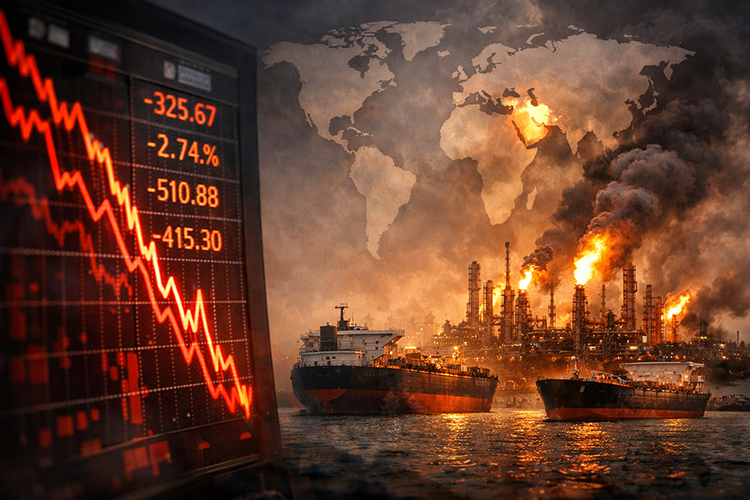
The effects of higher oil prices and declining equity markets would be the main drivers of the negative global economic impact from an adverse scenario in which the Iran conflict continued until end-1H26, Fitch Ratings says. Our cross-sector analysis shows that global real GDP would be about 0.8% lower after four quarters compared to our…
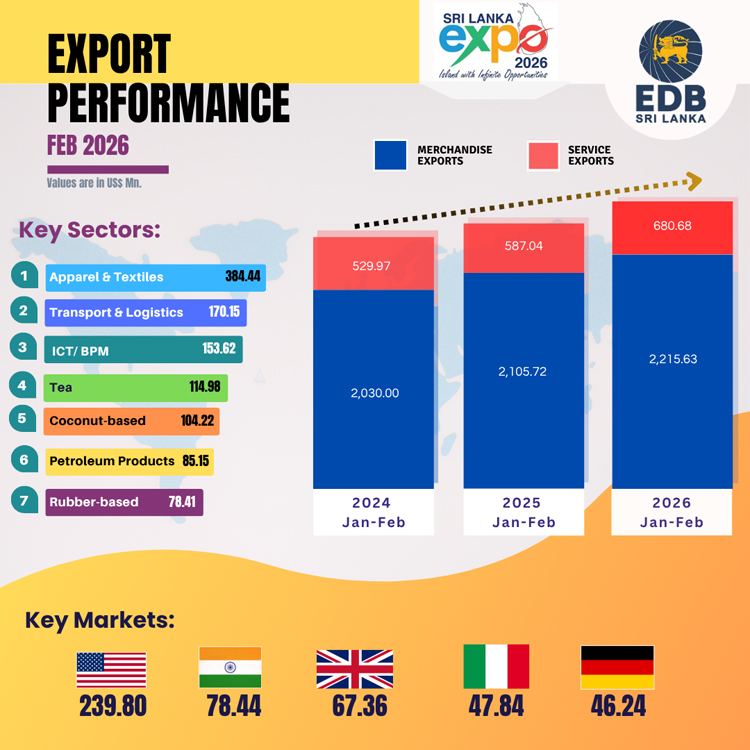
Sri Lanka’s total exports, including both merchandise and services, reached US$ 1,401.78 million in February 2026, reflecting a notable year-on-year growth of 4.22% compared to February 2025. According to provisional data from Sri Lanka Customs, along with estimated figures for Gems & Jewellery and Petroleum Products, merchandise exports for February 2026 increased by 1.32% to…

By Bilesha Weeraratne, Research Fellow, Institute of Policy Studies of Sri Lanka With the ongoing conflict in the Middle East (ME), Sri Lanka finds itself at a particularly vulnerable juncture as it carefully navigates a fragile economic recovery. Labour migration offers jobs to counteract the lack of opportunities within the economy. Related micro-level remittances prevent…
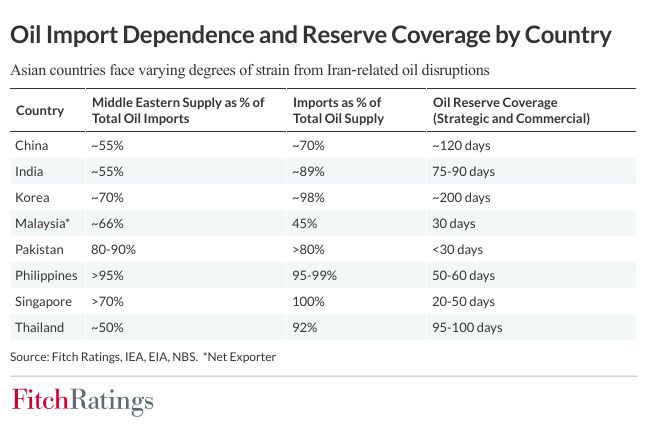
Fitch Ratings – Asia-Pacific sovereign credit profiles face heightened downside risks from a prolonged Iran conflict, as the region’s heavy reliance on imported oil and gas raises exposure to higher prices and potential supply disruptions, Fitch Ratings says. Large shares of the oil and gas products used in the region pass through the Strait of…

By Prof. Samitha Hettige The Chola Empire in South India was at its peak by 2nd century BC & Elara rule in northern Sri Lanka indicated its strength (200 – 161 BC). Abhaya Gamani I (Dutu Gemunu) after defeating Elara united the island for the 1st time & ruled till 137 BC. The ‘Dutu Gemunu…
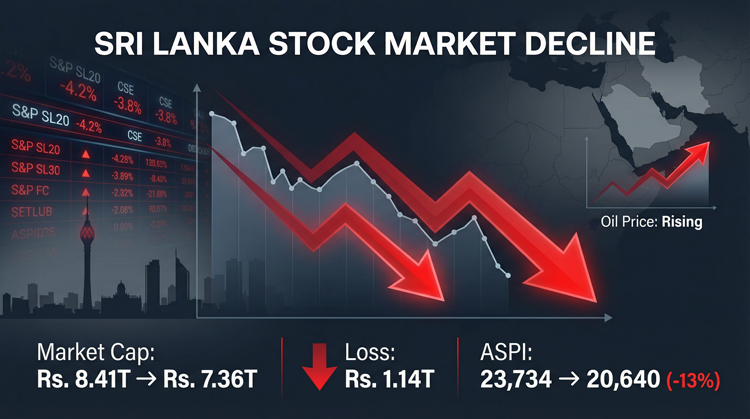
Sri Lanka’s stock market has suffered a significant setback, with over Rs. 1 trillion wiped off its value amid escalating tensions in the Middle East. The conflict began on February 28, 2026, when the United States and Israel launched attacks on Iran, triggering a wider regional crisis. The situation has not only destabilised the Middle…

By Felix Fernando, Chairman, Joint Apparel Association Forum (JAAF) Sri Lanka’s apparel industry has earned its place in the global market through consistency, trust, and a strong reputation for ethical manufacturing. Over many years, we have shown that Sri Lanka can deliver quality, compliance, and reliability at a level that global brands value. That foundation…
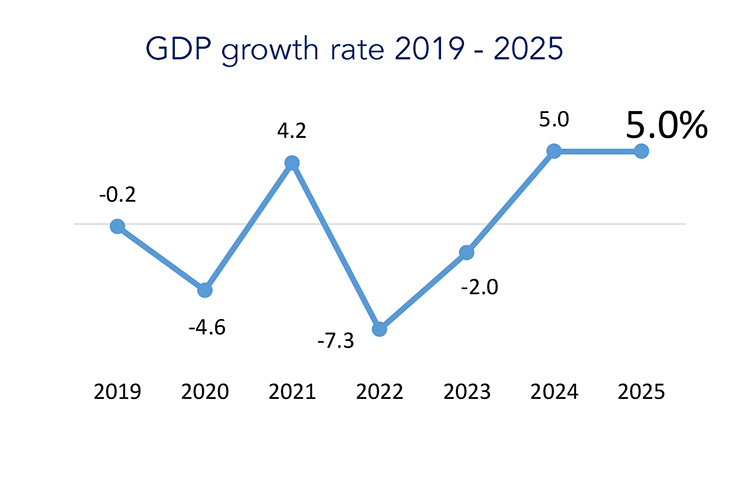
Sri Lanka’s economy recorded a 5.0% growth in 2025, with all key sectors contributing positively, according to the Department of Census and Statistics Sri Lanka. The country’s Gross Domestic Product (GDP) at constant prices increased to Rs. 13,128,577 million in 2025, up from Rs. 12,508,954 million in 2024. At current prices, GDP rose by 8.8%…
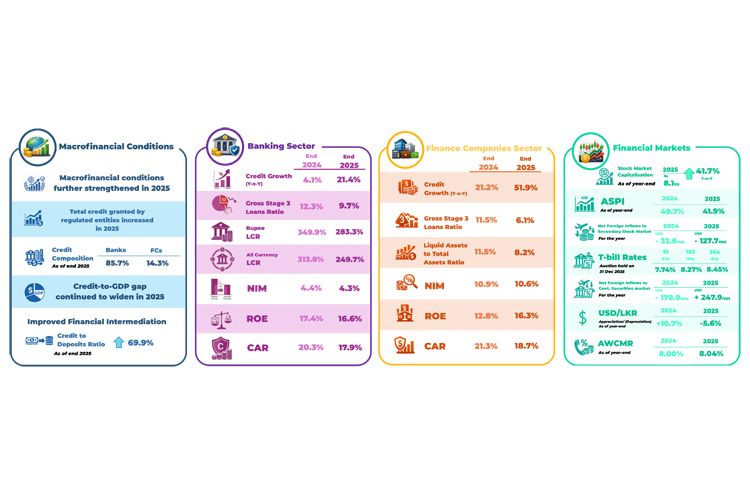
Macrofinancial Conditions Domestic macrofinancial conditions strengthened further in 2025, supporting continued credit expansion, although external vulnerabilities remained a concern. Credit growth accelerated markedly, with total credit extended by banks and Finance Companies (FCs) rising by end‑2025. The financial sector’s exposure shifted further toward the private sector, driven by strong private sector credit growth, while exposure…
Video Story