

February, 17, 2026
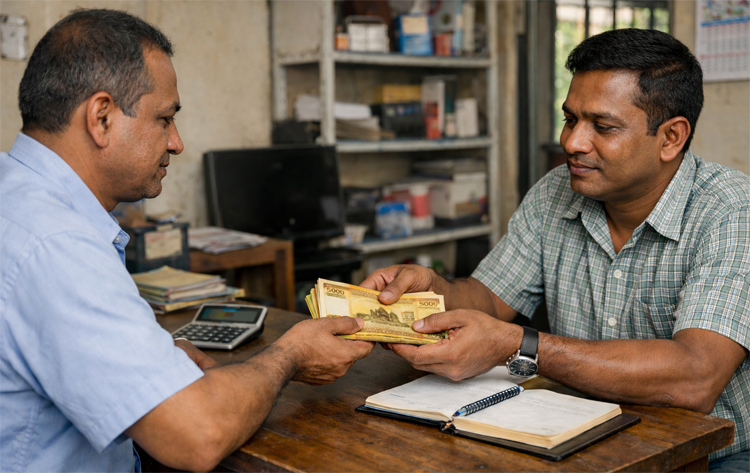
The Microfinance and Credit Regulatory Authority Bill was considered and approved by the Committee on Public Finance.
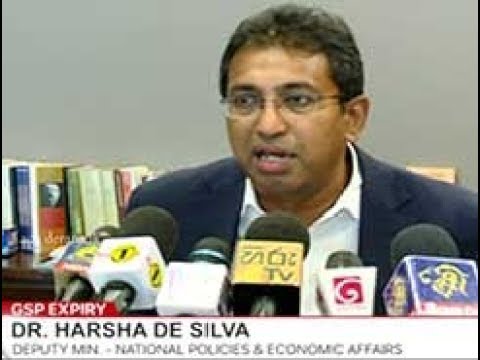
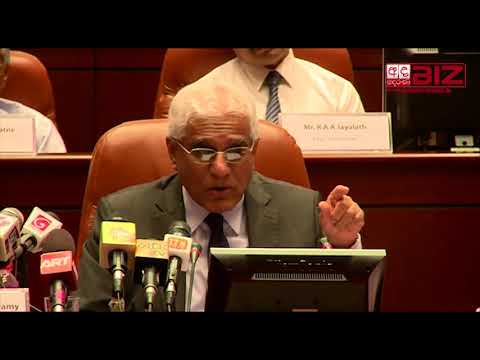
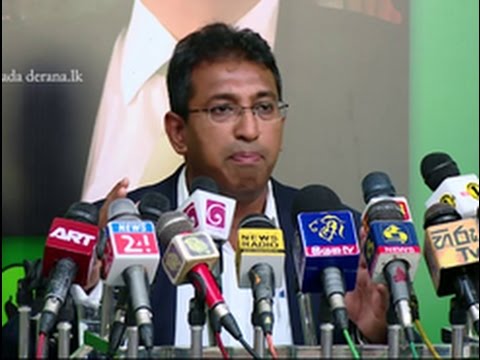
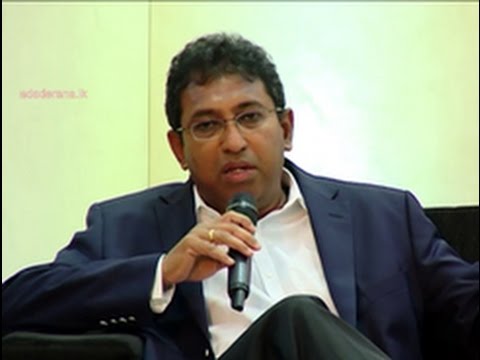
This took place at a meeting of the Committee held in Parliament on 10.02.2026 under the Chairmanship of Hon. Member of Parliament Dr. Harsha de Silva, with the participation of Hon. Deputy Ministers Chathuranga Abeysinghe, (Dr.) Kaushalya Ariyaratne, and Nishantha Jayaweera, as well as Hon. Members of Parliament Attorney-at-Law Rauff Hakeem and Nimal Palihena.
The Bill has been drafted with the objectives of establishing the Sri Lanka Microfinance and Credit Regulatory Authority, regulating the money lending business and microfinance business, protecting customers engaged in such businesses, repealing the Microfinance Act, No. 6 of 2016 and providing for matters connected therewith or incidental thereto.
The Chair of the Committee stated that the original draft of this Bill, which had been presented in 2024, was challenged before the Supreme Court, and that the constitutional inconsistencies identified by the Court appear to have been addressed in this new draft. The Committee expressed its appreciation for the Bill, which had been prepared after obtaining the views of all stakeholders.
Officials stated that the Authority to be established under this Bill will issue licenses to and regulate persons engaged in money lending and microfinance businesses, and that the Authority will be governed by a Board of Directors. It was further noted that no person may conduct a money lending business without a license issued by the Authority.
The Committee inquired whether online lending activities would also fall under the purview of the Authority. Officials clarified that online lending may also be carried out only by licensed entities. They further emphasized that customer protection is a primary objective of the Bill.
Discussions were also held regarding whether the Bill adequately covers the social empowerment role of community-based financial institutions, including through the introduction of relaxed regulatory fees or simplified compliance requirements. Practical operational issues and consumer protection were also identified as areas requiring further attention.
Officials noted that certain lenders, such as e-commerce operators, would not fall within the scope of this Act.
Taking into account the prevailing public mistrust and uncertainty surrounding legislative reforms, the Committee recommended that the Ministry of Finance, Planning and Economic Development implement effective communication programs to raise awareness among the public and all stakeholders. As an initial step, the Committee suggested publishing a document containing Frequently Asked Questions (FAQs).
As the Authority will be vested with statutory powers to determine maximum interest rates in both the lending and deposit sectors, the Committee advised officials to exercise such powers in a manner that preserves the nature of the various financial instruments used by microfinance institutions for savings and lending activities.
The delegation of powers to Divisional Secretariat offices was also discussed at length. Officials stated that small-scale lenders would not be required to travel to Colombo to engage with the Authority, and that limited powers relating to connected functions (such as processing applications and other routine matters) would be delegated to the Divisional Secretariat level. The Committee emphasized the need for a robust information technology system to ensure the effective and efficient implementation of this process.
Furthermore, at the same meeting, the Committee also considered and approved the Resolution published in Extraordinary Gazette No. 2464/15 under the Customs Ordinance (Chapter 235), as well as three Orders issued under the Special Commodity Levy Act.
Video Story