

September, 17, 2025
By Prof. Samitha Hettige
The Presidents’ Entitlements (Repeal) Bill was passed in Parliament. It repealed the Presidents' Entitlements Act, No. 4 of 1986. Accordingly; residences provided, allowances paid, transport provided, monthly pension paid to the widow of a former President etc. will be abolished (Ref. Parliament.lk). Although ‘Gen - Z’ may not remember, some may remember late William Gopallawa who was born on 17th September 1896. He was the Governor General of Ceylon (1962 – 1972) & the one & only non executive President (1972 – 1978). If alive he wouldn’t have been bothered about the above act as he lived without any entitlements after retirement. Some argue that he wasn’t even given due honors when he died in 1981.
Nepalese Acts
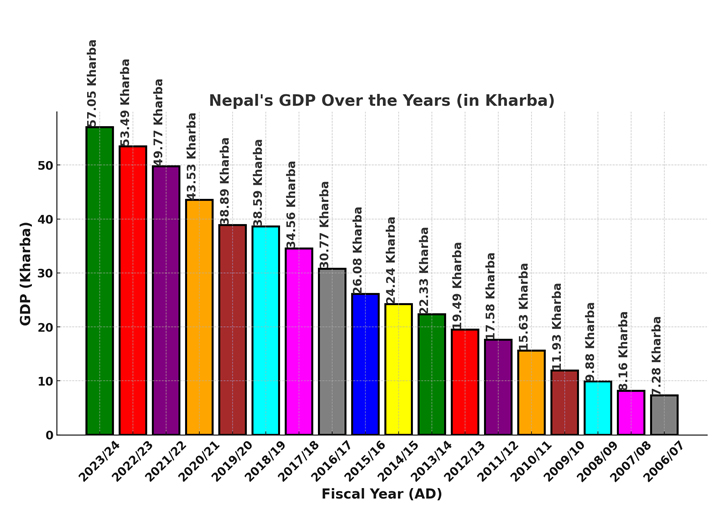
Nepali ‘Gen -Z’ recently unleashed violence against their rulers. In addition to state buildings they even burned the Kathmandu Hilton. As it contributed to the economy & provided employment, Nepali Gen – Z may realize that their human resources were misused to drag the economy backwards. Economy of Nepal progressed steadily in the past years & analysts believe that being a partner of China’s Belt & Road Initiative (BRI) etc. were reasons for the growth. ‘Katmandu’ is strategic centre in the BRI network & one may see a master de-establishment plan similar to Kazakhstan, Bangladesh, Pakistan & Sri Lanka. ‘Kapilawastu’ in Nepal was the birth place of the Buddha who is believed to have had sight beyond sight. His previous lives are good lessons in human resources management & those interested may analyze. (Ref. Buddhist archives).
One such is ‘Maha Kapi Jaathakaya’ in which Buddha was born as a monkey king who led a troop of 8000 monkeys. The story explains his sacrifices as a leader, an evil monkey killing him & the king of the country ordering a royal funeral for the monkey king (Ref. thejatakatales.com). Those who doubt monkey census & statistics might question the accuracy of 8000 but may see Nepali acts as short sighted. Gen - Z should realize that Parliament is where next generations can implement good governance in democracies. Minimizing corruption is good but nepotism in small states may be complicated to understand.
The Emperor’s choice
The Chinese folk tale on how the Emperor selected his successor is a good lesson. Once there was a Chinese emperor who loved nature. As he was old, he wanted to choose his successor & decided to use plants to help him. One spring day, he called all the children in the kingdom & gave each a special seed. He wanted them go home, plant it, take good care of it & come back with what they have grown in a year. He told them that the plants will be used to choose the next Emperor. The children were excited, but no one was more excited than a boy named ‘Ling’ as he loved nature as much as the emperor. When the Emperor gave a seed, he ran home, filled a pot with soil, planted it & looked after it. Still nothing grew in his pot. Soon other children started talking about their sprouts & seedlings. Months passed, other children were talking about the flowers starting to bloom on their plants. Still, Ling only had a pot filled with dirt with no flower or a sprout. Finally spring came & all the children returned to the palace with their plants. Ling was worried about what the Emperor would think of his empty pot, but his mother encouraged him as he worked hard & did his best. So Ling followed the other children to the palace with the empty pot. The Emperor went looking at every bloom & came to Ling. “Why have you brought me an empty pot?” Emperor asked.
Ling said, “Your highness, I tried my best, planted the seed, watered it, & made sure it got sunlight & even sang to it but nothing grew. So, I bring you an empty pot”. The Emperor smiled! He looked at the children & said, “one year ago I gave you seeds to plant. What I didn’t tell you was that all of the seeds had been boiled & wouldn’t grow. The flowers & plants you brought couldn’t have grown from the seeds I gave. Only this boy with the empty pot was honest. He shall be your new Emperor”. Sri Lankan Gen –Z may remember this when electing future leaders. Comparatively Sri Lankans seems wiser. They didn’t burn hotels or the parliament.
Views expressed are personal. Photo source: nepsetrading.com
Video Story