

February, 3, 2026

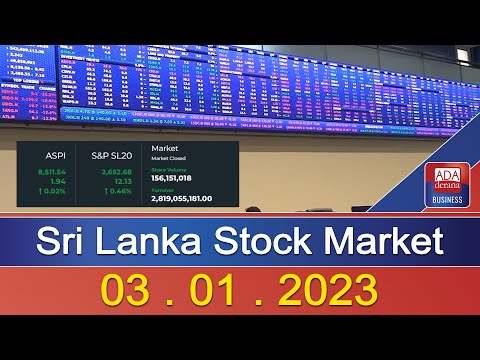
Reuters - Indian shares surged on Tuesday, with the benchmark Nifty coming within 50 points of record-high levels, led by Reliance and export-oriented stocks after the India–U.S. trade deal removed a key market overhang.
Both the benchmarks rose about 5% at the open, logging their biggest intra-day jump in five years.
The Nifty 50, opens new tab was up 2.81% to 25,799.5, while the BSE Sensex, opens new tab added 2.83% to 83,977.92, as of 9:41 a.m. IST.
U.S. President Donald Trump on Monday announced a trade deal with India that slashes U.S. tariffs on Indian goods to 18% from 50% in exchange for New Delhi halting Russian oil purchases and lowering trade barriers.
All 16 major sectors logged gains, while the broader small-caps, opens new tab and mid-caps, opens new tab jumped 3%, respectively. Forty-six of the Nifty 50 constituents advanced.
Index heavyweight Reliance Industries, opens new tab jumped 4%, becoming the top gainer in both indexes.
The rupee strengthened more than 1% to 90.34 per dollar in early trade, on expectations that the deal will lure foreign fund inflows towards Indian assets after sustained outflows over the last year.
"For equity markets, the trade deal enhances earnings' visibility, supports valuation re-rating, particularly for export-oriented and capex-linked sectors and reinforces India's positioning as a relatively safe haven among emerging markets," said Uttam Kumar Srimal, deputy head of fundamental research at Axis Direct.
Components in export-oriented sectors such as auto ancillaries, textiles, apparels, seafood, engineering goods, speciality chemicals surged earlier in the day following the trade deal.
Analysts also expect concerns over foreign outflows to ease after the trade deal.
The delay in the India-U.S. trade deal, lack of exposure to emerging themes such as artificial intelligence and muted earnings were the key reasons for the foreign selling in Indian stocks, since the start of 2025.
Foreign portfolio investors have offloaded shares worth $23 billion since the start of 2025, triggering a rare underperformance compared with Asian and emerging market peers.
Tariffs on Indian goods contributed to rupee depreciation, leading to foreign investors withdrawing capital out of India, said Peeyush Mittal, portfolio manager at Matthews Asia.
"Now the trade deal breaks this loop fostering stability for the rupee and encouraging foreign investors to evaluate Indian equities more objectively," Mittal said.
Video Story