

October, 1, 2025
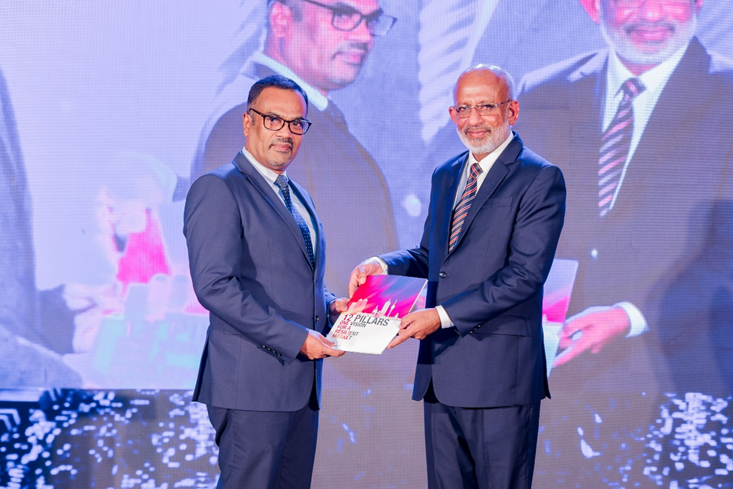
The Securities and Exchange Commission of Sri Lanka (SEC) launched its landmark strategic plan titled "12 Pillars One Vision for a Resilient Market," presenting a transformative roadmap designed to position the country's capital market as a primary engine for economic growth.
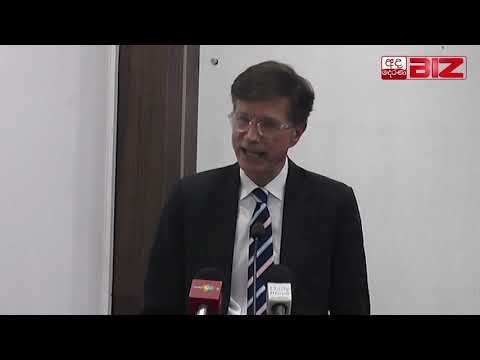
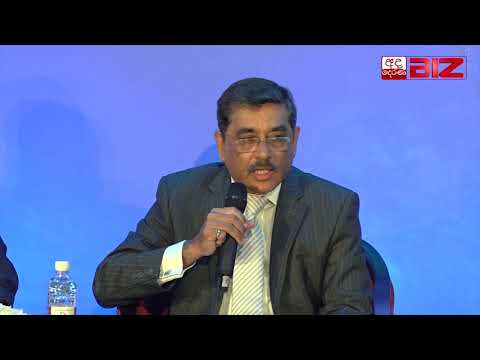
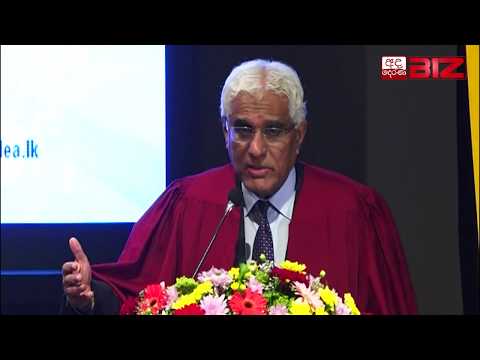
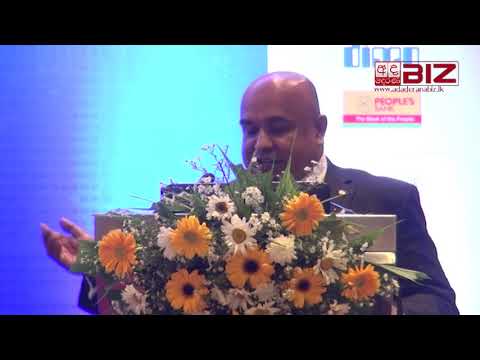
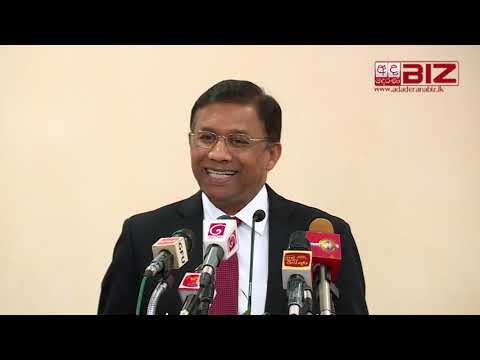
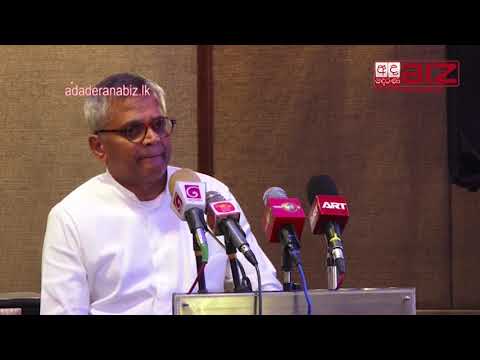
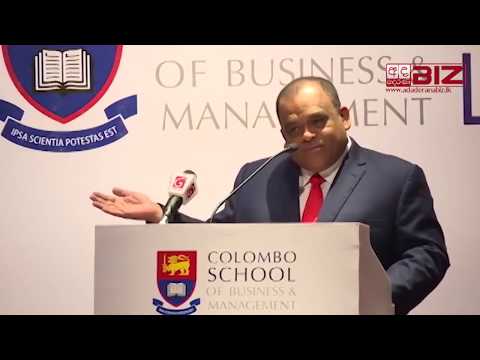
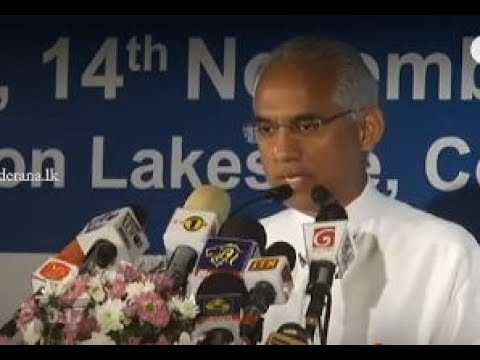
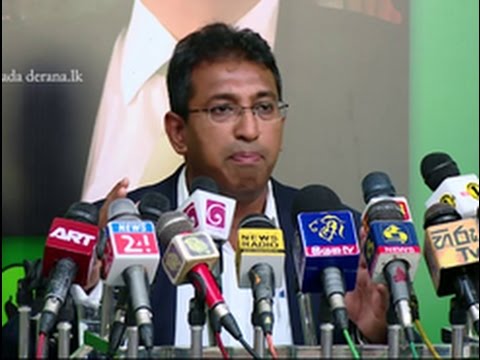
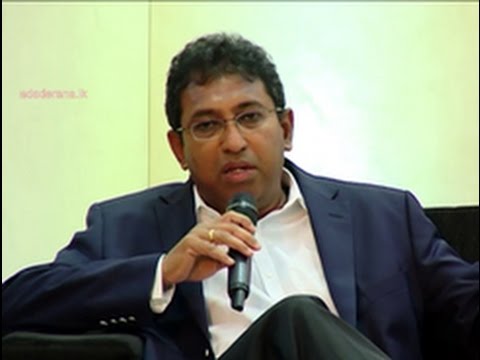
Senior Professor Hareendra Dissabandara, Chairman of the SEC, unveiled the comprehensive framework at a ceremony attended by Hon. Professor Anil Jayantha Fernando, Minister of Labor and Deputy Minister of Economic Development, Dr. Harshana Suriyapperuma, Secretary to the Treasury, senior officials from the SEC and the Colombo Stock Exchange, and key stakeholders from across the financial sector.
The strategic plan represents the culmination of a year-long consultation process involving capital market professionals, regulatory bodies, international development partners, and industry experts in what Prof. Dissabandara described as "a 360-degree assessment" of the market's challenges and opportunities.
"The SEC Act 19 of 2021 mandates us not merely to regulate, but to create and maintain a fair, orderly, efficient, and transparent securities market," stated Prof. Dissabandara. "For too long, the creation, maintenance and development aspects have been overlooked. This strategic plan reclaims that mandate and charts a course for genuine transformation."
The Chairman emphasized that the work is intergenerational in scope: "This is not for our generation but for generations to come, going beyond Generation Alpha to Generation Beta and beyond. We must build a vibrant capital market for Sri Lanka's future."
Addressing critical market gaps Prof. Dissabandara presented stark statistics highlighting the urgency of capital market development. Sri Lanka's stock market capitalization represents merely 26% of GDP, compared to Hong Kong's 1,200%, Singapore and Malaysia's 200%, and even below regional peers like Bangladesh. The corporate debt market is virtually non-existent at 0.8% of GDP, while government securities dominate the financial sector at 58.5% of GDP.
Current market participation stands at less than 1% of Sri Lanka's 22 million population around 60,000 active investors with capital market literacy below 10%.
"We face a fundamental problem of growth," the Chairman explained. "To achieve the 8-9% annual GDP growth economists agree we need, beyond the current 5% requires massive investment. At least 20% of that investment must flow through our capital markets, providing growth capital without the burden of 8-9% interest rates that currently plague government projects."
To illustrate the capital market's transformative potential, Prof. Dissabandara cited John Keells Holdings' Cinnamon Life project, the largest private sector project in Sri Lankan history, second only to Hambantota Port among all projects.
"This demonstrates the power of our capital market," he emphasized. "Think about the interest burden if this were financed through loans at 8-9%. Capital formation through equity markets provides growth without debt crisis. This is the model we must replicate across sectors."
The 2016 Capital Market Assessment provided a baseline, revealing that many identified weaknesses remain unaddressed while potential strengths have been underutilized, leaving Sri Lanka "far behind and somewhat backward" compared to regional markets.
"This is not the final outcome," Prof. Dissabandara clarified. "We invite continued deliberation, criticism, and additions. Those who can contribute to their own industry's development, come and join us. The place is ready."
Reflecting on Sri Lanka's recent economic challenges, the Chairman traced the crisis to fundamental growth problems: low economic growth led to budget deficits, debt burden, foreign reserve depletion, and a vicious export-import cycle.
"We've moved from rescue to recovery. Now we seek growth," he stated. "Growth cannot happen by simply saying we will do it. We have a great economic plan, but limited funds must be carefully channeled to identified growth areas. The capital market must play its role in this national transformation."
The strategic plan aims to achieve:
Chairman, SEC expressed gratitude to the Minister, the Secretary to the Treasury, and all stakeholders for their guidance and support in shaping the initiatives for capital market development. “With your support, we will transform this vision into reality,” he concluded. “The potential is enormous. The time is now.”."
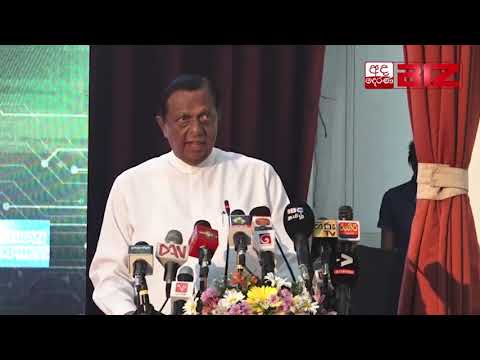
Hon. Prof. Anil Jayantha Fernando, Minister of Labour and Deputy Minister of Economic Development underscored the critical role of investment in driving Sri Lanka’s next phase of growth. He emphasized that without investment, growth cannot be sustained, noting that while it must be sustainable, at times exponential growth within a defined period is necessary to make up for the decade already lost. Highlighting the importance of quality investments for capital formation, he stressed that the capital market must not be seen as a domain only for large investors, but one that welcomes participation from all citizens. “Bridging the gap between savings and investments is essential,” he stated, adding that in an efficient market, information should be openly accessible to ensure a truly democratic capital market. He further affirmed that the role of government is to act as a facilitator in this transformation.
“I envision the SEC not simply as a regulator monitoring the market, but as a dynamic facilitator driving capital market formation and development forward.” stated Hon. Professor Fernando.
In his speech Dr. Harshana Suriyapperuma, Secretary to the Treasury, highlighted that Sri Lanka’s journey of growth and transformation has already begun, built on prudent economic management, financial discipline, and improved governance. He noted that early entrants to the market stand to benefit as stability takes hold and opportunities expand.
He pointed to recent GDP growth of around 5% as evidence of this progress, emphasizing that the gains achieved must be made sustainable. Stability, he said, has already brought tangible benefits: corporates have improved profitability and forecasting ability, investors have seen renewed confidence reflected in market indices, and citizens have experienced lower interest rates, contained inflation, and increased opportunities.
Dr. Suriyapperuma commended the SEC’s Strategic Plan and its 12 pillars as a vital step in sustaining this progress by strengthening governance, deepening market participation, and engaging all stakeholders in the journey. He reaffirmed the Treasury’s commitment to supporting initiatives that build on this stability and uplift society to the next level.
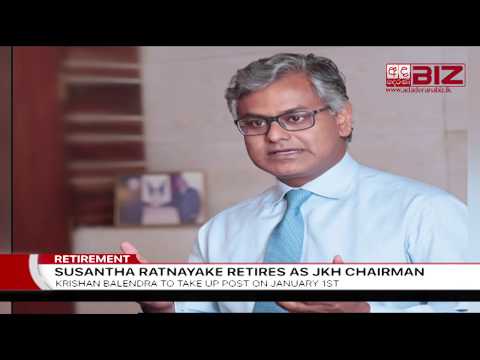
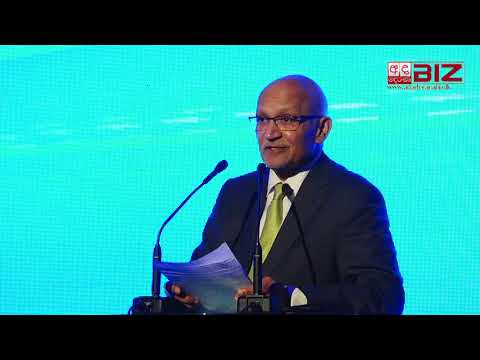
Mr. Krishan Balendra, Chairman, John Keells Holdings PLC illustrated how capital markets have powered John Keells' growth trajectory over decades. "We have raised capital repeatedly through rights issues, private placements, and even innovative warrant instruments traded on the CSE. These funding mechanisms enabled us to complete the US$1.2 billion Cinnamon Life project and invest $80 million in the Colombo West Terminal."
He emphasized the critical role of investor confidence: "If you build a track record as a listed company, investors will support you even in crisis. This is exactly what happened when Fairfax invested $75 million in convertible debentures during our darkest economic period."
Mr. Balendra concluded with a direct appeal: "For unlisted corporates and SOEs – why not leverage capital markets for growth? For listed companies where promoters hold excessive stakes – consider dilution. The new single borrower limits will make this necessity, not choice."
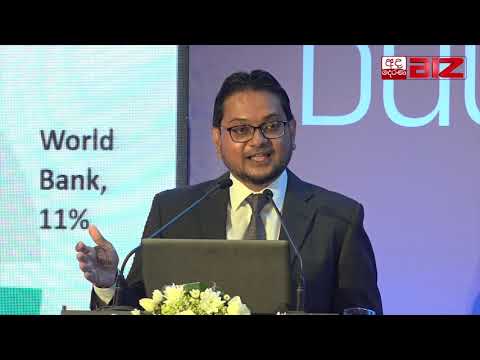
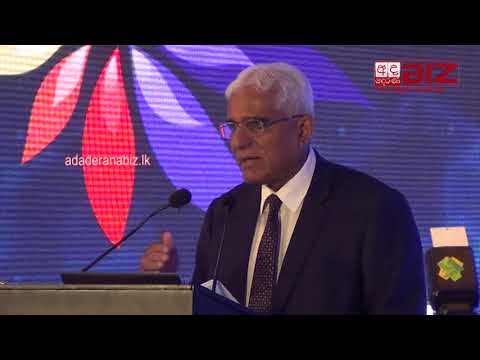
The event came to a close with encouraging words, as Mr. Hiran Mendis, Consultant, Asian Development Bank, brought an uplifting regional perspective: ‘I remember when the South Asian Federation of Exchanges was established, and the Colombo Stock Exchange held the second chairmanship – ahead of India’s NSE and Bombay Stock Exchange. That was the regard these institutions had for us. We need to build on that legacy.’”
He emphasized Sri Lanka's proven capabilities: "The infrastructure we have – the CCP, the trading systems – must be mobilized for the greater good. Exchange-traded funds, sustainability bonds including blue bonds for our vast exclusive economic zone, consolidation of debt markets – these are proven strategies that can transform our market."
Mr. Mendis concluded: "We are too small a market to fragment our efforts. When we work together to make the cake bigger, everyone's slice grows."
Over 250 distinguished professionals from the capital market sector participated in this forum, reflecting strong industry engagement and thought leadership.
TWELVE KEY PROJECTS
Video Story