

June, 16, 2025
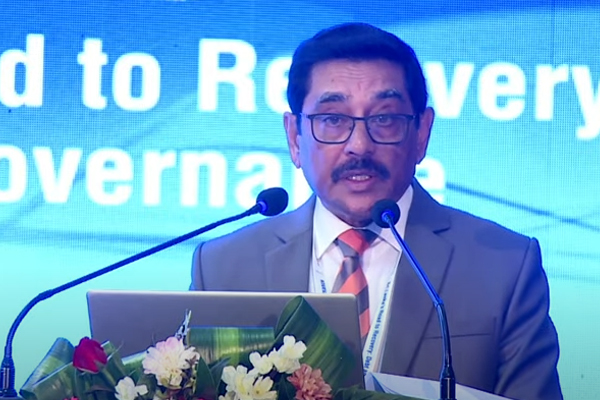
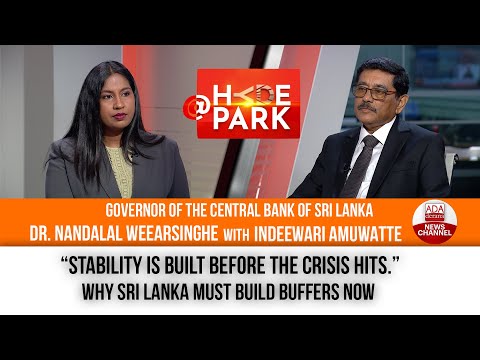
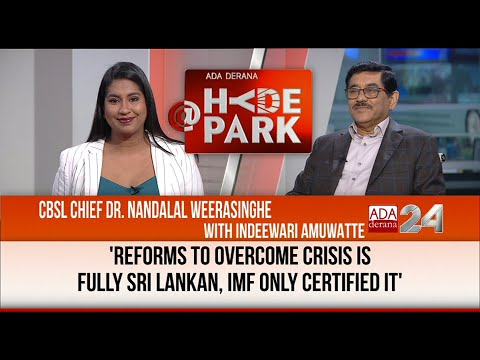
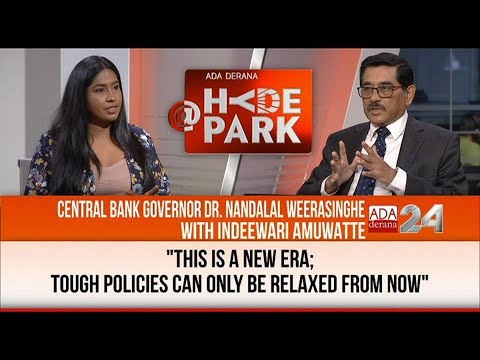
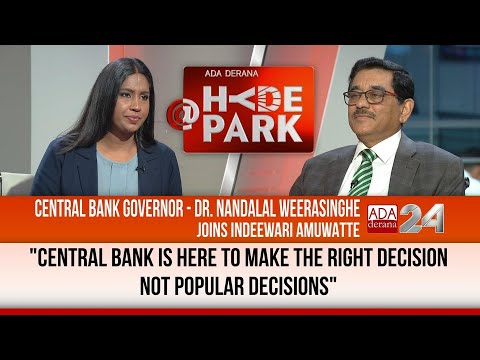
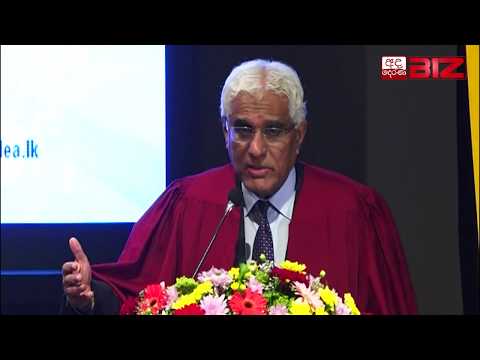
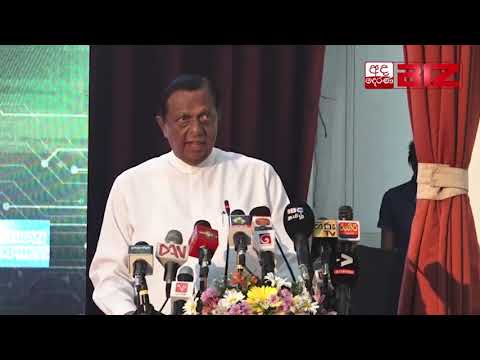
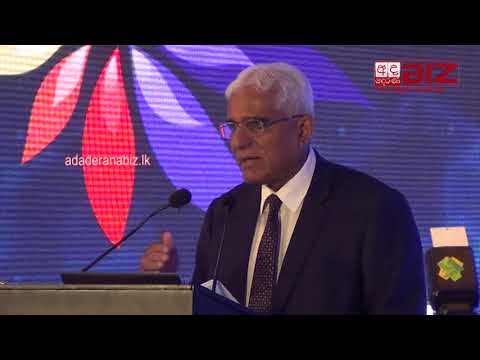
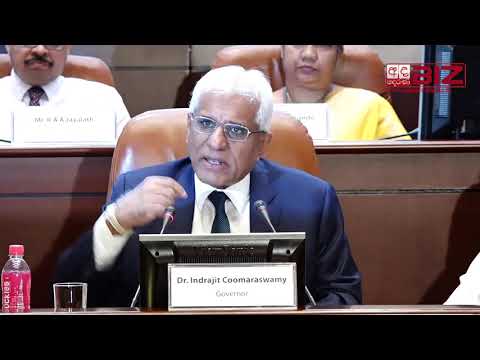
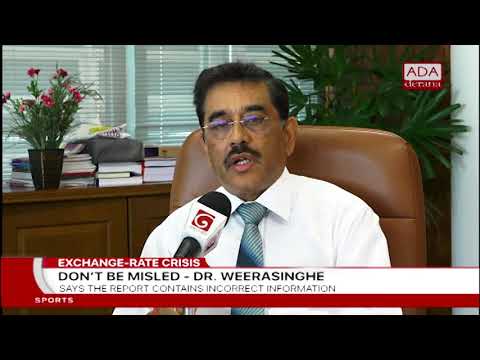
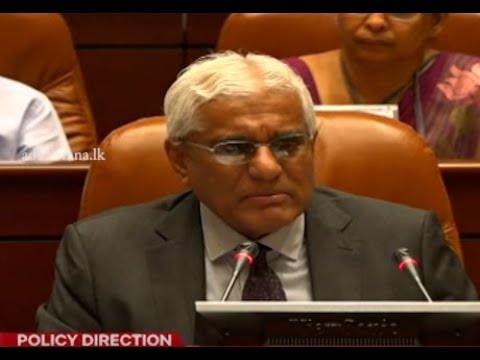
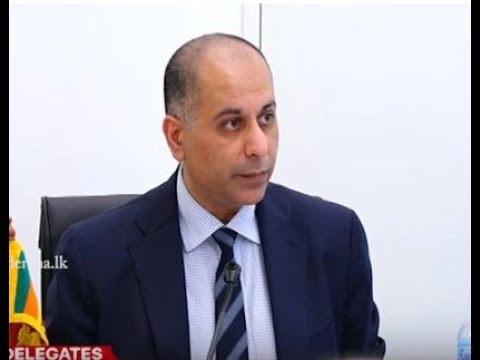
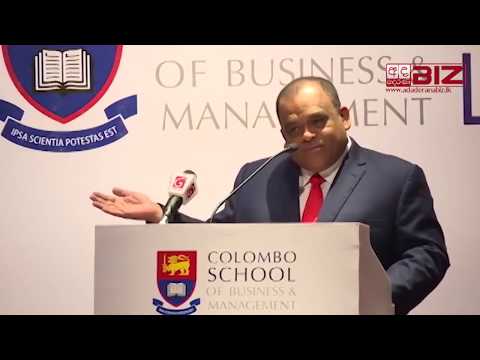
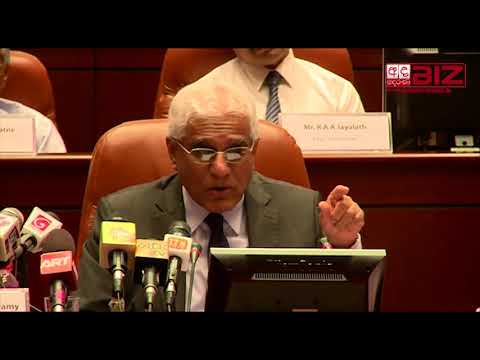
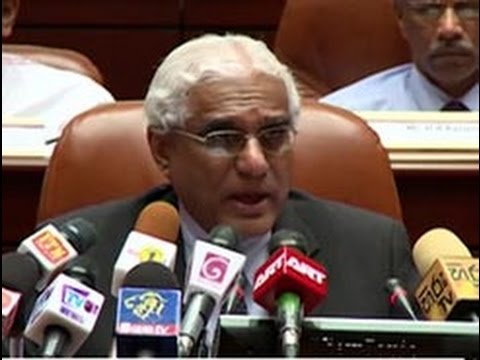
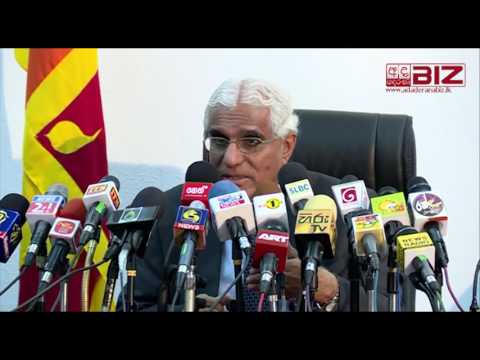
Central Bank Governor Dr. Nandalal Weerasinghe says Sri Lanka is now at a pivotal midpoint in its IMF-backed reform journey, highlighting marked progress in macroeconomic stabilization, institutional reform, and international cooperation since the country's economic collapse in 2022.
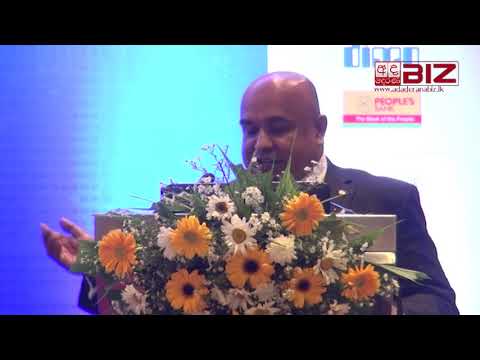
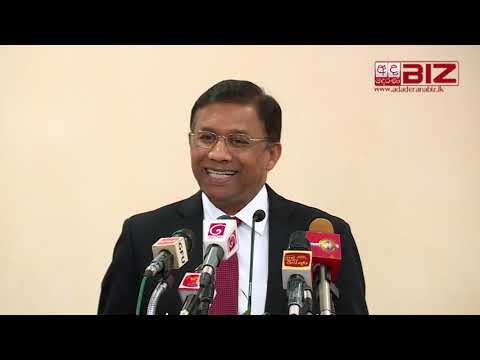
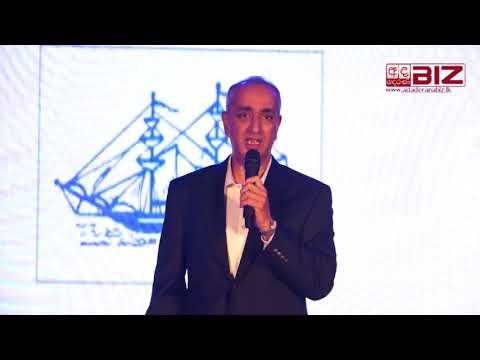
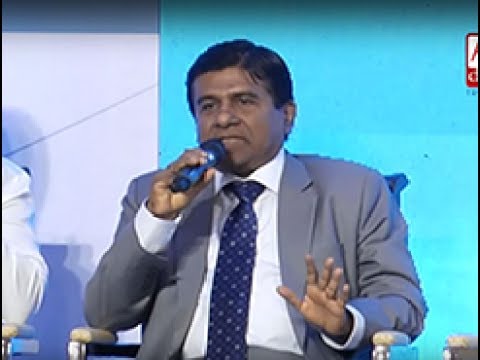
Speaking at the high-level conference on “Sri Lanka’s Road to Recovery: Debt and Governance”, co-hosted by the Central Bank, Ministry of Finance, and the International Monetary Fund (IMF), Dr. Weerasinghe described the country's economic transformation as one of the most significant in its modern history.
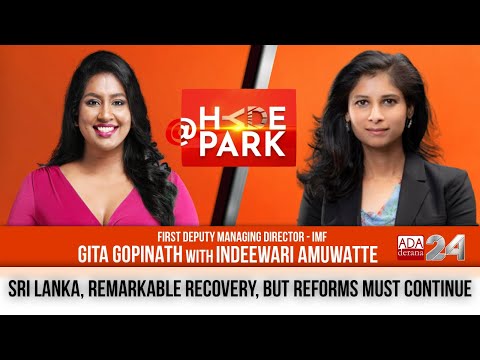
“We are honored to welcome Dr. Gita Gopinath, First Deputy Managing Director of the IMF, whose visit marks the first by an IMF official of her rank since 2005,” the Governor noted, acknowledging the IMF’s key role in Sri Lanka’s ongoing recovery process under the four-year Extended Fund Facility (EFF) programme.
Reflecting on the crisis that gripped Sri Lanka three years ago, Dr. Weerasinghe recalled the severe shortages, policy failures, and institutional breakdowns that led to a dual crisis in sovereign debt and the balance of payments.
Since then, however, Sri Lanka has taken “remarkable strides” toward stabilization. The Governor cited positive economic growth since mid-2023, single-digit inflation, a strengthened fiscal position with primary surpluses, and consecutive years of current account surpluses.
On the debt front, he noted that the sovereign debt restructuring process is nearing completion, thanks to coordinated efforts with bilateral creditors, including the Paris Club, and multilateral partners such as the IMF, World Bank, and ADB. "Once completed, the restructuring will provide much-needed fiscal space," he added.
Dr. Weerasinghe emphasized that recovery efforts have gone beyond macroeconomic stabilization. Key reforms such as the new Central Bank Act, Public Financial Management Act, and Anti-Corruption Act are part of a broader push to enhance institutional credibility and governance.
"Stabilization is not the end goal. It is the foundation for sustainable growth, resilience, and inclusion," he said, while cautioning against complacency amid evolving global uncertainties. He called for sustained policy consistency, inclusive reforms, and greater empowerment of the private sector.
While thanking Sri Lanka’s international partners for their continued support, the Governor underscored the importance of domestic ownership and unity in driving the reform process forward. “Lasting transformation must be led from within,” he stressed.
The conference brought together policymakers, diplomats, academics, and international representatives to assess Sri Lanka’s recovery progress and explore pathways to long-term stability and growth.
Video Story