

April, 24, 2025
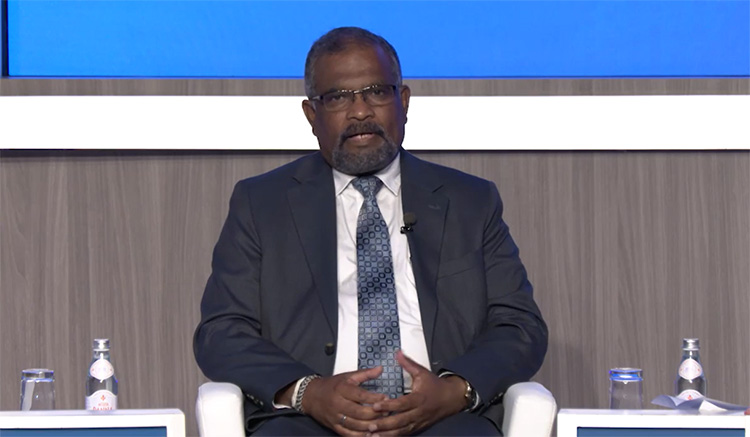
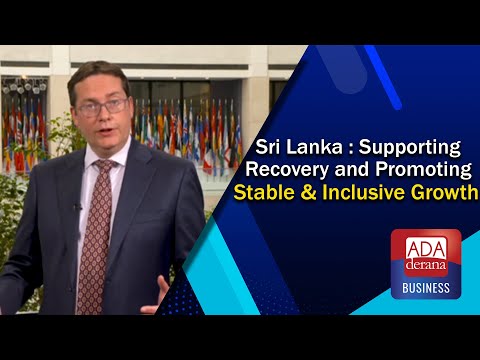
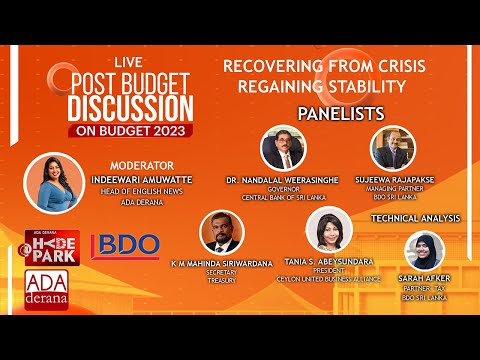
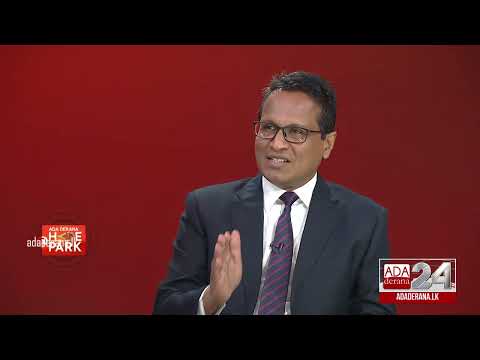
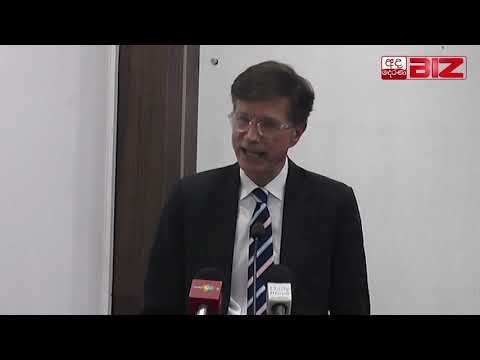
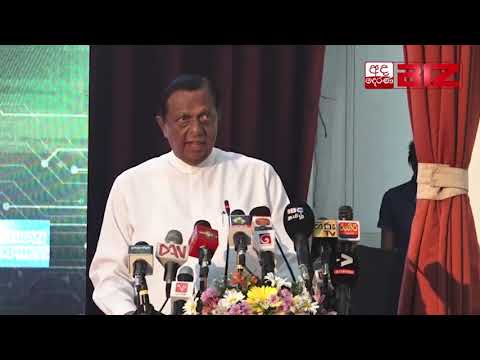
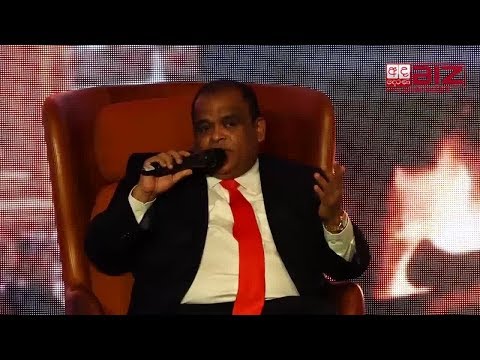
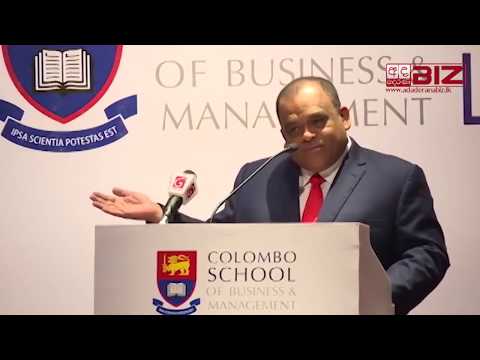
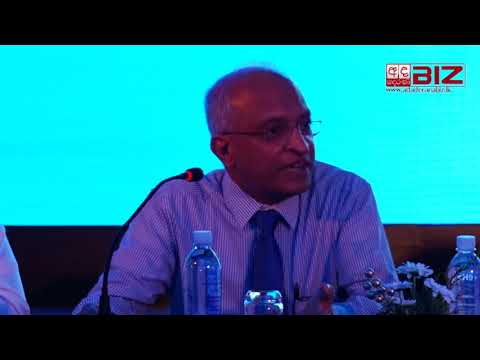
At the IMF-World Bank Spring Meetings’ Capacity Development Forum on April 22, 2025, Sri Lanka’s Secretary to the Treasury, Mr. K M Mahinda Siriwardana, delivered a compelling account of the nation’s recovery from its worst economic crisis since independence in 1948. Speaking alongside former IMF Mission Chief for Sri Lanka Peter Brewer and economists Oslem Aydin and Sindy Neges from the IMF’s Fiscal Affairs Department, Siriwardana highlighted the transformative impact of IMF-supported reforms and strong country ownership in stabilizing Sri Lanka’s economy.
Reflecting on the crisis that began in April 2022, Siriwardana described a dire situation marked by a default on external debt, unsustainable debt levels, and depleted resources. “We had a chronically low revenue-to-GDP ratio, around 8.3% of GDP, one of the lowest in the world at that time,” he noted. Chronic fiscal and external deficits, compounded by structural weaknesses, policy missteps, and external shocks, led to a severe crisis. Usable foreign exchange reserves plummeted to $24 million, triggering shortages of essential goods, 13-hour power cuts, and inflation peaking at 70%. Public trust in governance and economic management eroded, fueling widespread protests.
Siriwardana, appointed Treasury Secretary in April 2022, emphasized the immediate priorities: restoring macroeconomic stability, rebuilding public trust, and laying the foundation for sustainable recovery. The IMF’s $2.9 billion Extended Fund Facility (EFF), secured in March 2023, alongside technical assistance, played a pivotal role. “The IMF’s technical assistance and policy advice helped design and implement a comprehensive reform program addressing not just fiscal issues, but monetary, financial, governance, and institutional challenges,” he said.
Key reforms included debt restructuring, revenue-based fiscal consolidation, and institutional strengthening. Siriwardana highlighted the expansion of social protection systems to shield vulnerable populations, who were hardest hit by the crisis. Capacity development in public finance, revenue administration, governance, fiscal transparency, and digitalization addressed the root causes of the crisis, moving beyond temporary fixes. “These fundamental reforms were crucial to enable the addressing of root causes of this crisis, as opposed to simply remedying the symptoms,” he stated.
The results are tangible. Sri Lanka achieved 5% economic growth in 2024, reversing a 10% contraction in the prior two years. Inflation dropped from 70% in September 2022 to near zero by April 2025, and gross official reserves rose to over $6 billion. The government maintained primary surpluses for two consecutive years, signalling fiscal discipline. “However, we fully recognize that this recovery is still fragile,” Siriwardana cautioned, stressing the need for continued fiscal discipline and macroeconomic management to ensure long-term stability.
Video Story