

November, 30, 2023

By Dr Kapila Fonseka - Business Strategist, Lecturer, Researcher
Globalisation has greatly affected the operations of small and microbusinesses in Sri Lanka, particularly since the 1990s. These businesses are facing a wide range of challenges and opportunities due to this transformative process, which is manifested in the interconnectivity of global economies.
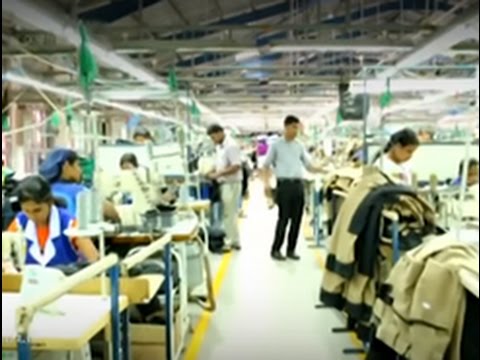
Among the effects of globalisation on business organisations in Sri Lanka, there is a high level of competitiveness that these businesses encounter internationally. Local industries have struggled to compete with cheap imported goods and multinational brands resulting from trade liberalization. The competition posed a particular burden for companies operating in sectors such as textiles, agriculture, or handicrafts that had smaller scales and less efficient costs compared to major global players.
On the contrary, globalisation has created access to a larger international market for small businesses in Sri Lanka. With the growth of international trade networks coupled with e-commerce, these businesses have expanded to penetrate customer bases in areas that were not previously known. In areas such as tea, spices, and handlooms, which have a unique value proposition for Sri Lanka, globalisation has presented new avenues for expansion and growth.
Technology acts both ways in globalization. It helps small businesses use and adopt technology in their operations and thus improve output. Large enterprises’ processes are likely to be more advanced compared to small business processes. Therefore, these differences will be based on whether or not every single employee uses the latest technology that costs a fortune, especially for smaller businesses.
Moreover, the cultural impacts of globalism on small businesses on the island. Consumer tastes have also been infiltrated by foreign notions and traditions; hence, people now appreciate different goods other than standard offers. To some businesses, it has been a loss of market, while other businesses created new stuff and customised their facilities for changing tastes.
The second danger is that such small businesses may be exposed to the process of integration with the international markets, resulting in vulnerability to various uncontrolled factors influencing the Global markets, including changes in foreign exchange rates, politics, and economic crises. For instance, many SMEs faced the threat of collapsing during the COVID-19 pandemic due to the low level of global supply chains and the minimal number of international tourists.
Nevertheless, every globalisation has been accompanied by its critical aspects in some way. Nonetheless, they have opened up avenues for regulatory transformations and improvements to the prevailing business environment. Due to the importance of small and micro-economies in the larger context of the national economy, the state has developed a range of programmes aimed at supporting these companies in overcoming various problems that arise during the globalisation process.
Hence, globalization impacts differently upon these small/micro-level firms in Sri Lanka. However, due to intense competition, the adoption of technology and exposure to external shocks create opportunities for new market areas, the invention of superior technologies, and cost efficiencies in the supply chain. These trends will determine the extent of their achievements in the competitive markets resulting from globalisation.
Video Story