

October, 25, 2023

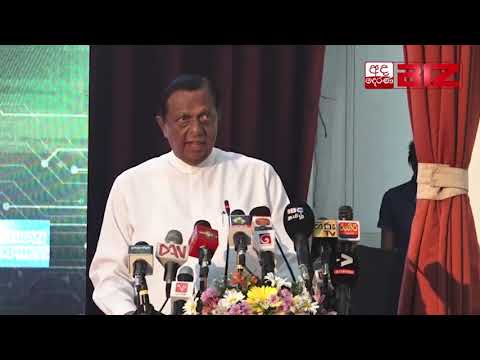
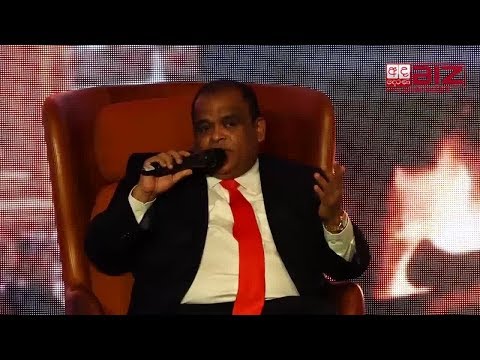
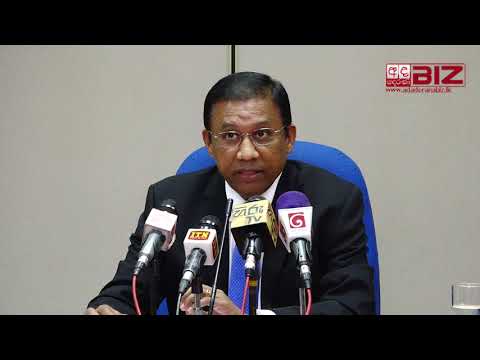
In the effort to revolutionize the Northern Region of Sri Lanka, Mr. Nimesh Herath, Chairman, Urban Development Authority(UDA) shares latest endeavor of the UDA. The Urban Development Authority (UDA) is on the precipice of unleashing the immense potential of Kankasanthurei, Jaffna, through an ambitious project - a future-ready university and information technology (IT) park. This transformative initiative, born from collaboration between the UDA, Sri Lanka Institute of Information Technology (SLIIT), and MagickWoods Group, has the power to alter the academic landscape, create economic opportunities, and shape the future.
Mr. Herath initiates the discussion by elaborating the history of the subject site. Construction of the Presidential Palace Project at Kankasanturai, Jaffana was initiated by the GOSL during the period of 2010 – 2015. The construction had been done by SL Navy and total estimated project cost was Rs. 2,000.00 Mn (approx.). and it was funded by the government. The land in extent of 12.0 Ha. situated having 180-degree panoramic view to the Indian Ocean and the KKS harbor, Palali International Airport, KKS Railway station are situated close proximity to the site having easy access by all modes of public transport. The project is comprising around 111,000 Sqft including conference hall, VIP accommodation, staff accommodation, dining area with all amenities with large landscaping area and car parking facilities. However, around 70% of the project has been completed. However after 2015, the construction was suspended due to non-availability of funds. Since then, the project is under the supervision of Sri Lanka Navy.
Subsequently, the proposed land was identified by the UDA for development of recreational and educational purpose under the Town Development Plan prepared for the Kankasanthurei area. Considering the growing demand for tourism and higher educational institutions within the Jaffna peninsula it was proposed to use the Building Complex for hospitality and education sector development with required alterations in order to enhance tourism and higher education of the Northern Province giving special attention to the younger generation.
In line with the vision of the government to attract foreign direct investment, especially for the Northern Region, the proposal submitted by the Sri Lanka Institute of the Information Technology (SLIIT) jointly with Canadian investor has been carefully evaluated by the UDA under the directive of HE the President Mr. Ranil Wikramasinghe and the guidance of the Hon. Minister of Urban Development & Housing Mr. Prasanna Ranathunga. The project will be funded jointly by the said two investors and 50% of the funds will be received as FDI. Under the phase I of the project, it is proposed to implement the project within the area of 12 Acres land which include 80% of the fully and partly completed buildings within the premises. The current market value of the building complex is approx. Rs. 3,500.00 Mn and the investor has proposed to invest a sum of Rs. 2,500.00 Mn. for refurbishment and alterations for the proposed buildings to utilize for the purpose of University functions including new constructions. In addition to that substantial investment will be made for office equipment and laboratory facilities of the University and the development of luxury hotel in star class.
The proposed university will comprise of modern university facilities, integrate IT park infrastructure, start-up incubator/ accelerator, marker labs/ research facilities, students & staff accommodation and a luxury hotel. After fully completion of the proposed project, it will be able to provide modern state of art world class education facilities while accommodating approximately 10,000 students from both local and international.
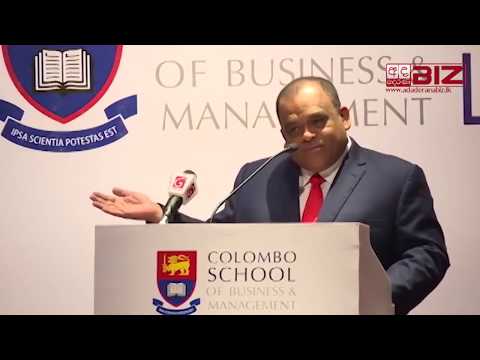
This education facilities will cater to a broad range of academic programs under various discipline such as Computing, Business Management, Engineering, Bio Technology, Health Care & Hospitality. The degree program will be offered with management and operation support by Sri Lanka non-state educational provider SLIIT, which has proven track record of delivering high-quality academic programs in these fields. SLIIT currently has 26 international university partnerships and affiliations and some of the degree programs offered by them will also be introduced to the proposed university. By partnering with SLIIT, the project aims to provide students in the Northern Region with access to cutting-edge academic programs that will equip them with the skills and knowledge needed to expertise in their respective fields. This will not only benefit individual students but also will contribute to the development of a high skilled workforce in the region, creating new opportunities for economic growth and development. SLIIT will be the university Partner for the proposed project.
According to the investment proposal submitted by the investor total investment is USD 50.00 million and out of that USD 25.00 million will be provided as the foreign direct investment. According to the project proposal, fixing of existing buildings of the premises will be incorporated with the University Master Plan. In addition to that, the investor is willing to harness the potential of the tourist activities associate with the higher education activities.
The Board of Investment of Sri Lanka has been approved Northern Uni (Pvt.) Ltd., and this company will be the developer of the proposed project. The university partner of the proposed project is the SLIIT has already approved under the University Grant Commission and Ministry of Education of Sri Lanka.
The lack of an integrated information technology (IT) park and university is a longstanding need in the Northern Province. Such an integrated facility should be strategically linked with a reputed university in order to promote the transfer of technology and knowledge between academia and businesses. A dynamic tech-hub would support the growth of technology-based start-ups and businesses, fostering innovation and entrepreneurship in the region. This in turn, will stimulate regional economic growth, creating new jobs and opportunities for the local population.
SLIIT currently operated university facilities in Colombo, Malabe, Kandy, Matara and Kurunegala. However, the lack of a suitable facility in the North has hampered students from having access to high quality undergraduate and post graduate education. This in turn has adversely impact software and STEM jobs from being generated in the North.
The proposed project in KKS is more than just physical infrastructure. It is an opportunity to change the trajectory of the lives of thousands of students. In the Northern Region of Sri Lanka, over 33,000 students sit for advance level exams and only 4,000 get an opportunity to enter state universities. It is therefore clear that the region is in need of large investments educational infrastructure that the government cannot afford at the present. The lack of established fee levying universities in the area means that an additional 18,000 students do not have access to opportunities to enhance their education and prospects.
The proposed project is envisaged to have far-reaching benefits that extend beyond just serving the students in the Northern Region. Given its easy connection to India (with the resumption of operations of Jaffna International Airport and ferry services), the proposed project has the potential to attract not only students from India, but also ICT companies looking to establish their operations in the region. This presents a unique opportunity to bolster economic growth in the area, creating jobs and opportunities for local residents while also attracting investment from outside the region.
Furthermore, the proposed project boasts several distinct advantages. Firstly, it offers lower or even negligible additional living costs for local students. Additionally, it presents a significant cost advantage for students from the Northern Province, with educational expenses estimated to be up to 50% cheaper than studying in Colombo or the Western Province. Furthermore, the project provides a cost advantage for students in Southern India, with expenses projected to be approximately 35% cheaper. These advantages make the project not only accessible but also financially feasible for a diverse range of students, fostering greater educational opportunities.
In conclusion, Mr. Herath emphasizes that the Urban Development Authority (UDA) is at the forefront with these strategic projects. They offer not only economic growth but also a sustainable future for our cities. Despite the economic challenges, the UDA's commitment to both the government and the private sector is evident. These projects demonstrate that we can advance and prosper, even in challenging times. Our primary objective is to enhance the country's economy, draw in foreign investments, and enhance the livelihoods of our citizens. Through these forward-thinking projects, we are striving for a brighter and more prosperous future for all.
Video Story