

January, 5, 2026
Women face Gender Based Violence and Harassment (GBVH), at Corporates and in Entrepreneurial businesses.
Women's Chamber of Industry and Commerce (WCIC) has been actively working to create workplace environments that are free from Gender-Based Violence and Harassment (GBVH), enabling women to thrive and contribute meaningfully. Over the past few years, in collaboration with the Centre for International Private Enterprise (CIPE), WCIC undertook extensive research to understand the realities faced by professional women and women entrepreneurs in Sri Lanka.
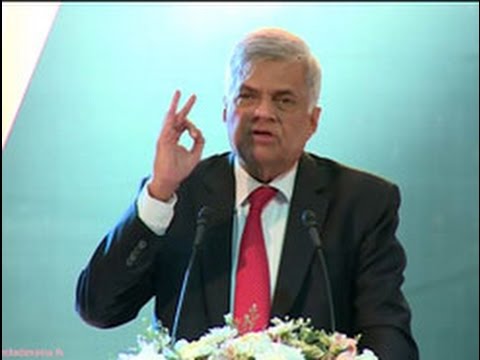
"Working on the latest project of CIPE - the WCIC will strive to move forward meaningful action to make some head way" Stated the Project Chair Tusitha Kumarakulasingam on behalf of the WCIC
The research revealed that awareness of GBVH and experiences of harassment in the workplace are widespread. While GBVH has appeared on the agendas of many organizations, the study found that no formal, conclusive actions have been implemented to address the issue effectively.
Based on the survey findings, WCIC sought to create a forward-looking pathway toward a better tomorrow, guided by the objective:
“Break the Bias for a Better Tomorrow: Promote and Invest in a Decent Workplace for Women – Ratify ILO Convention 190.”
Gender-based violence and harassment in the workplace affect both men and women; however, women experience it disproportionately. Until now, there has been limited documentation or evidence to understand the scale and magnitude of the issue. Many women are also unaware of what constitutes GBVH. Through this survey—conducted for WCIC by Kantar Sri Lanka—the Women’s Chamber of Industry and Commerce aimed to bridge this knowledge gap and educate working women about GBVH, while empowering them with information on the steps they can take if they face such incidents.
The survey outcomes revealed several critical gaps and challenges faced by working women in Sri Lanka in relation to gender-based violence and harassment (GBVH). Overall awareness of harassment remains limited, with many women not fully understanding that such behavior constitutes an offence or being aware of the full range of actions that amount to harassment. Awareness was highest in relation to bullying, followed by discrimination and sexual or physical harassment. Women reported experiencing GBVH across all categories, with bullying emerging as the most prevalent, while women entrepreneurs reported higher levels of sexual and physical harassment compared to professional women. Although some respondents were aware that complaints could be lodged through human resources mechanisms, there was little confidence that these would be addressed fairly. A significant majority lacked awareness of existing laws, legal processes, or support organizations, and among those who experienced GBVH, 80% took no action. Fear of negative career repercussions, victim-blaming, and not being believed were key reasons for remaining silent. While a few organizations had policies and procedures in place, in most cases these were not implemented in a fair or effective manner.
The “cost of GBVH” in Sri Lanka refers to the broad social and economic impact of gender-based violence and harassment, rather than a specific monetary value. Research shows that GBVH places a significant burden on individuals, businesses, and the national economy through both direct and indirect costs.
Key insights include:
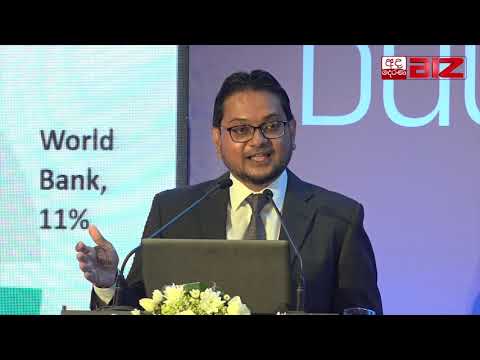
Gender-based violence and harassment (GBVH) carries significant economic and social costs at the workplace, national, and global levels. A 2022 International Finance Corporation (IFC) study covering nine companies in Sri Lanka estimated that workplace violence and harassment resulted in the loss of approximately six working days per employee per year, translating into a total cost of at least USD 1.7 million for those organizations. In parallel, institutions such as the Family Planning Association of Sri Lanka (FPA Sri Lanka), together with the World Bank, are assessing the costs of delivering GBV response services through healthcare facilities, including Mithuru Piyasa centres. Beyond these direct costs, GBVH undermines productivity through absenteeism and presenteeism, increases staff turnover, and generates additional healthcare and legal expenses, alongside substantial intangible costs such as pain, trauma, and loss of dignity. At a broader level, the United Nations estimated in 2016 that violence against women accounts for approximately 2% of global GDP—around USD 1.5 trillion—highlighting the magnitude of its national and global economic impact.
(Source: IFC and FPA Sri Lanka)
The Way Forward
To address these issues in a systematic and sustainable manner, ILO Convention 190 (C190) is widely recognized as a critical pathway forward. While many organizations, including WCIC, have actively advocated for the ratification of the Convention, meaningful progress has yet to be achieved. As ratification requires government facilitation, the commitment and conviction of relevant authorities are essential for advancing this agenda and ensuring decent, safe, and inclusive workplaces for women.
For more details on the WCIC visit: https://www.wcicsl.lk
The Women’s Chamber of Industry and Commerce, Sri Lanka (WCIC) was inaugurated in 1985 by a group of entrepreneurs with a visionary mindset. Each of them were already successful in their own business ventures, together with a few professionals they created an organization which has today, reached high standards. They envisaged that the organisation could be a pivotal force in leveraging women entrepreneurs into the mainstream of business activity in the country, encouraging greater economic contribution to the country from women. We work on the principles of Engage, Empower, Enrich
The organization is steered with a clear vision, sharp mission, and a strategic plan which delivers on the identified expectations
Video Story