

January, 27, 2025
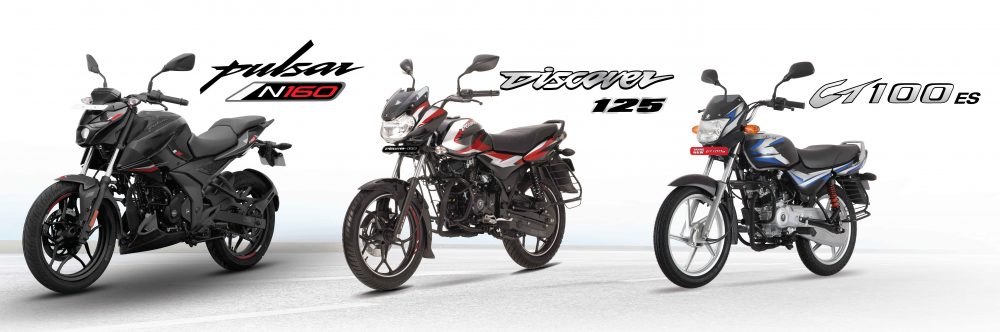
Despite the challenges posed by vehicle import restrictions due to the COVID-19 pandemic, the Sri Lankan automotive sector has witnessed remarkable growth, particularly with assembling Bajaj motorcycles using locally manufactured components. This is a direct result of the Local Value Addition (LVA) programme initiated by the Ministry of Industries in 2021, which has propelled innovation, job creation and the growth of the local vehicle component manufacturing industry.
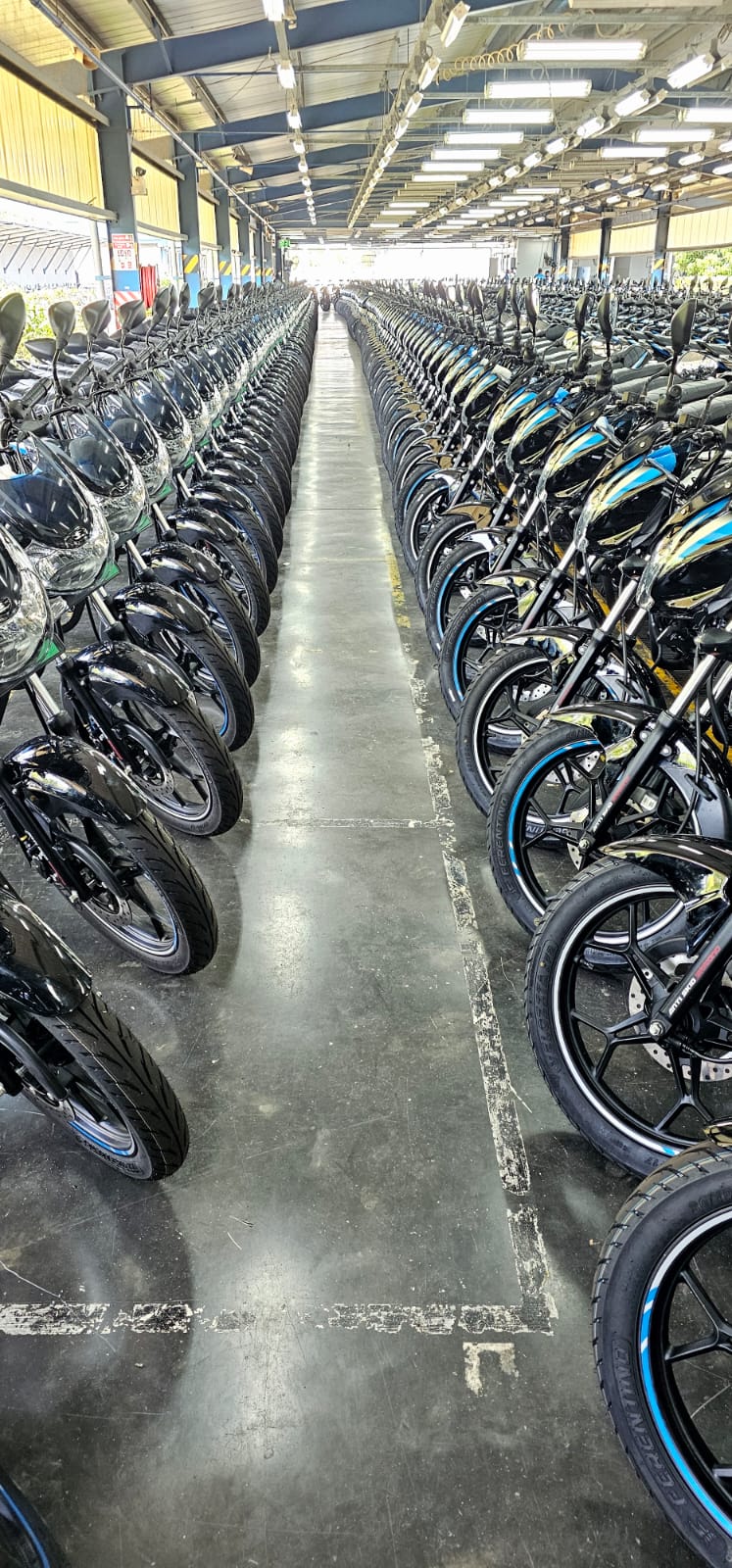
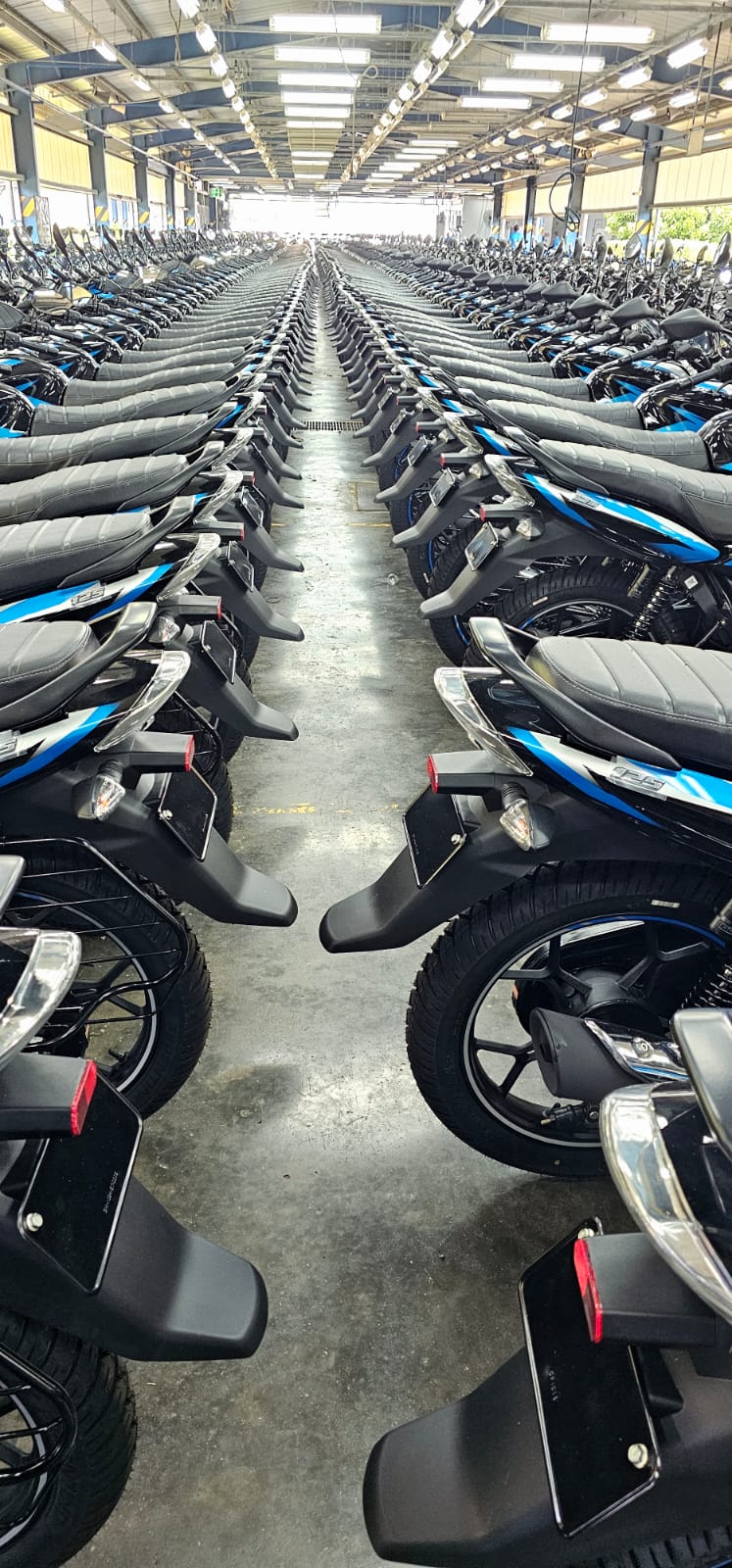
Brand-new motorcycles assembled with locally manufactured components
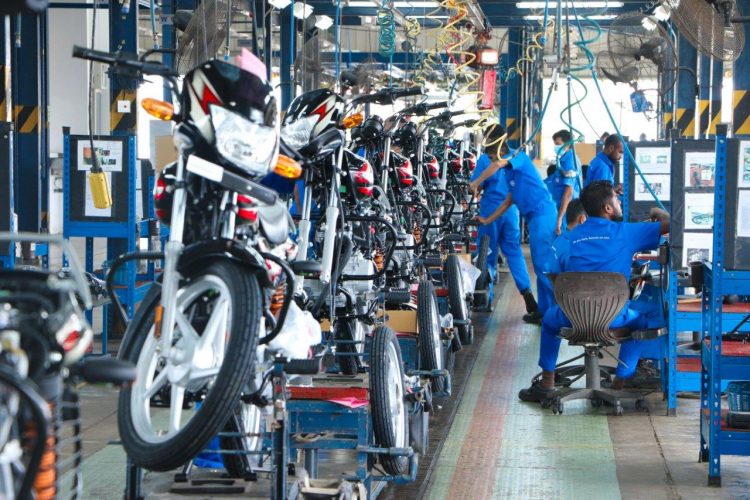
When vehicle import restrictions were introduced in 2020 to safeguard the economy, the Ministry of Industries introduced a Standard Operating Procedure (SOP) in 2021 to encourage the local assembly of motorcycles using domestically produced parts. David Pieris Motor Company (Lanka) Limited (DPMC Lanka) responded quickly and became the first company to release motorcycles under this program, showcasing the ability to adapt and thrive even in challenging times.
In 2022, DPMC Lanka began assembling the Bajaj CT 100 motorcycle, beginning its journey under the LVA programme. Initially, this model incorporated 26% local components (26 items), providing a much-needed solution to the demand for new motorcycles. By 2023, the local content had increased to 36% (36 items), highlighting the company’s commitment to supporting the local industry.
Building on this success, DPMC Lanka introduced the Bajaj Discover 125, initially assembled with 32% local components, which has since risen to 33%. The company's third locally assembled model, the Bajaj Pulsar N160, was launched in December 2024 with 28% local value addition, sourced from 26 components made in Sri Lanka.
Over 40,000 Bajaj motorcycles produced locally
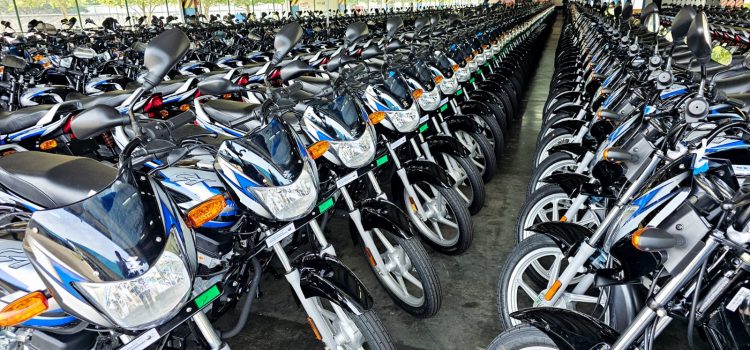
DPMC Lanka has produced over 40,000 Bajaj motorcycles under the LVA programme, with over 38,000 units sold across Sri Lanka. This achievement has been pivotal in meeting the demand for new motorcycles, as customers faced limited access to imported vehicles during the pandemic. The success of this programme has not only boosted local sales but has also empowered Sri Lanka’s small and medium-scale manufacturers by creating a dependable supply chain for motorcycle components.
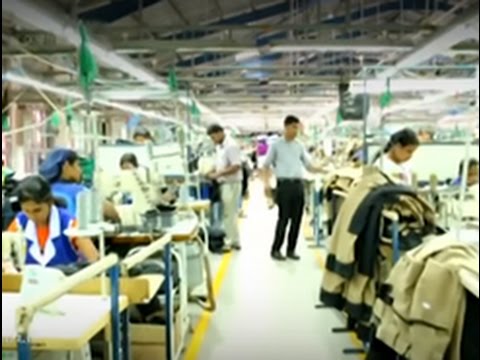
DPMC Lanka has partnered with nearly 15 local suppliers, who provide 88 components for the assembled motorcycles. Many of these suppliers, who initially operated as small-scale manufacturers, have since scaled up their operations, turning into medium-scale industrialists. This shift has allowed local manufacturers to improve their production processes, and many are now on the path to international competitiveness.
International technology and new job opportunities
One key aspect of the LVA programme is the knowledge transfer from Bajaj Auto Limited, the Indian automotive giant, to local manufacturers. These local suppliers through training and technical support have gained access to international standards and technology. This has enabled them to modernize their machinery, enhance their production capabilities, and meet global quality standards.
As a result, Sri Lankan manufacturers have not only been able to supply components for the domestic market but are also preparing to export vehicle parts to international markets. The programme has created numerous employment opportunities, both directly within DPMC Lanka and across its growing network of suppliers. Skilled workers in the automotive sector, ranging from assembly line technicians to engineers and designers, are finding new opportunities to build rewarding careers in a rapidly expanding industry.
A new era for the vehicle component manufacturing industry
The most significant outcome of this programme is the establishment of a sustainable vehicle component manufacturing industry in Sri Lanka. What started as a necessity due to import restrictions has now transformed into a thriving sector that is poised to compete internationally. The programme has strengthened the local automotive industry, reduced dependency on imports, and contributed to the growth of the country’s economy.
Moreover, the success of the LVA programme has set a precedent for other industries to explore similar models of local manufacturing, offering a blueprint for sustainable growth in Sri Lanka’s industrial landscape. By focusing on innovation, quality, and capacity building, DPMC Lanka and its partners are shaping the future of Sri Lanka’s automotive industry and positioning the country as a competitive player in the global market.
The success of the Bajaj motorcycle assembly implemented by DPMC Lanka under the Local Value Addition Programme is a testament to the resilience and adaptability of Sri Lanka’s automotive sector. By fostering local manufacturing, creating job opportunities, and introducing international technology, this initiative has paved the way for long-term growth and global competitiveness. DPMC Lanka’s efforts not only provide solutions for local transportation needs but also lay the foundation for a thriving, self-sustaining automotive manufacturing industry in Sri Lanka.
Video Story