

October, 22, 2026
By Rashmi Anupama and Kalani Kiriveldeniya, Research Assistants, Institute of Policy Studies of Sri Lanka (IPS)


Sustaining Sri Lanka’s post-crisis macroeconomic stability requires productivity-enhancing reforms to achieve durable and inclusive growth. Against this backdrop, the Institute of Policy Studies of Sri Lanka (IPS) hosted a roundtable discussion on 14 October 2026 on its flagship publication, Sri Lanka State of the Economy 2026, to discuss policy priorities to rebuild the country's economic foundations amidst ongoing domestic and global uncertainties.
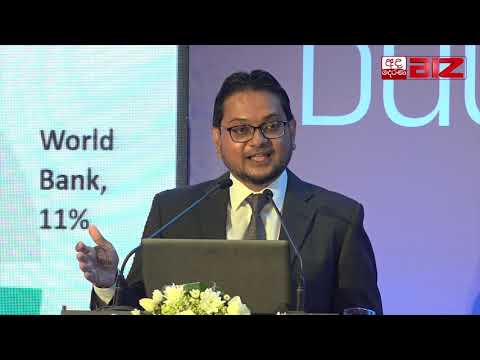
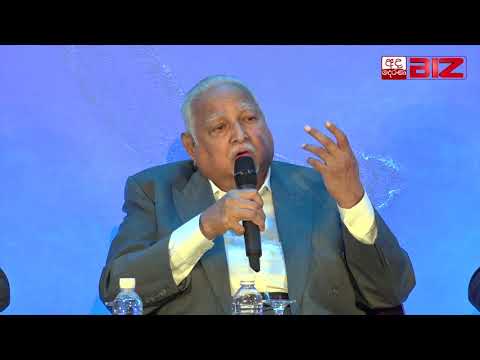
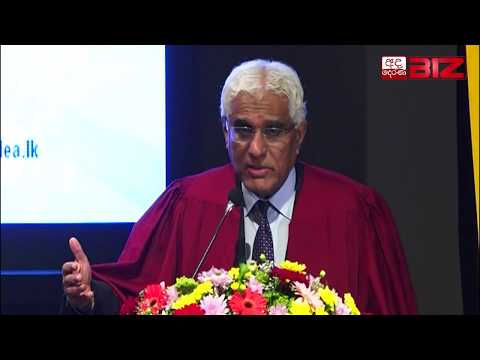
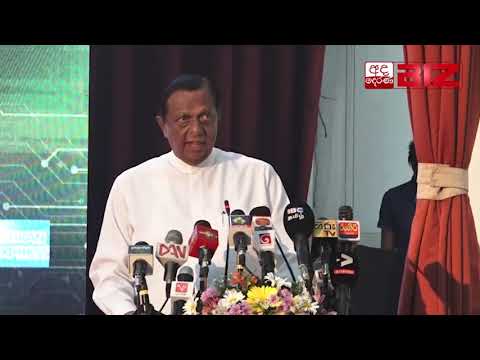
IPS Research Fellows Dr Asanka Wijesinghe and Dr Lakmini Fernando presented key findings, followed by interventions from Dr Yashodha Senadheera, Deputy Director of the Economic Research Department of the Central Bank of Sri Lanka (CBSL); Dr Liliya Aleksanyan, Senior Country Economist for Sri Lanka at the Asian Development Bank (ADB); Mr. Sanjaya Ariyawansa, Senior Economist at Sampath Bank; and other invited parties.
Growth Has Returned, but Can Sri Lanka Sustain It?
Dr Asanka Wijesinghe discussed Sri Lanka's macroeconomic performance, external sector competitiveness, and policy priorities for durable growth. He highlighted that while the economy's recovery has been satisfactory, sustained annual growth of approximately 8.3% between 2026 and 2030 would be required to regain the pre-crisis growth trajectory. Against this background, Sri Lanka needs to accelerate reforms towards achieving stated medium-term growth target of 7% or above.
Rising global fuel prices and the resulting external sector pressures pose an immediate challenge to Sri Lanka’s economic growth. Sri Lanka recorded a Gross Domestic Product (GDP) growth of 4.2% in the second quarter of 2026, with increased contribution of investment to economic output. However, the increased import bill has been a drag on output growth. The merchandise trade deficit widened considerably during January–August 2026, when compared to 2025.
Improvements in fiscal consolidation and debt management have given Sri Lanka breathing space amidst a hostile external sector. Dr Wijesinghe stressed the need to maintain fiscal discipline, strengthen external competitiveness, and continue engagement with international financial institutions as the country rebuilds its resilience.
Strengthening Export Competitiveness
Dr Wijesinghe emphasised that expansion of exports is essential for achieving 7% economic growth, as growth driven primarily by domestic demand has its limitations.
Sri Lanka's reliance on non-reciprocal preferential market access faces growing challenges as competing economies negotiate reciprocal trade agreements. For example, Indonesia's preferential access to the European Union (EU) and India's trade agreement with the United Kingdom (UK) could weaken Sri Lanka's competitiveness. This challenge could be further compounded by the potential loss of existing preferential arrangements for Sri Lanka, including the Generalised Scheme of Preferences Plus (GSP+).
Securing more predictable tariff regimes in major export markets is a necessary precondition, and it requires accelerating tariff reforms and simplifying the tariff structure. However, these reforms must be carefully sequenced, as sudden reductions in tariff protection could adversely affect domestic industries, particularly Small and Medium Enterprises (SMEs). He also recommended a dedicated fund to support trade adjustment.
Reorienting Fiscal Policy Towards Long-Term Growth
Building on these discussions, Dr Lakmini Fernando explained how fiscal policy could support durable growth beyond the current International Monetary Fund (IMF) programme. During the adjustment period, government capital expenditure declined to historically low levels, constraining the scope for public investment to support long-term growth and development.
Achieving 7% economic growth could require gross fixed capital formation equivalent to approximately 30–42% of GDP, depending on investment efficiency. Mobilising such investment also requires a supportive environment for private investment alongside productive public expenditure.
She also highlighted the need to prioritise education, healthcare, skills development, social protection, climate-resilient infrastructure, and green investment to meet evolving future demand. Improving public financial management, strengthening project implementation capacity, and ensuring transparent and competitive procurement were also identified as essential reforms.
On debt sustainability, Dr Fernando stressed adhering to a medium-term debt management strategy, strengthening fiscal institutions, and exploring innovative financing. Continued engagement with international financial institutions could ease financing pressures. She also highlighted the importance of long-term planning and consistent implementation.
Expert Perspectives: Monetary Stability, Economic Resilience, and Emerging Shocks
Dr Yashodha Senadheera elaborated on the Central Bank's monetary policy response to external supply-side shocks. She explained that although monetary policy has limited capacity to directly address supply-driven inflation, intervention may become necessary when such shocks generate persistent inflationary pressures or threaten inflation expectations. Maintaining price stability while considering broader economic conditions therefore requires careful, data-driven policy decisions.
Dr Liliya Aleksanyan highlighted the lasting effects of successive crises and global energy-price volatility, emphasising the need for greater energy security through renewable energy. She also encouraged Sri Lanka to explore Asian export markets like India, alongside traditional markets such as EU and the United States of America (USA). Additionally, she highlighted the importance of preparing for emerging technologies such as artificial intelligence
Mr. Sanjaya Ariyawansa focused on revenue mobilisation and climate risks. He called for improvements in tax administration, integration of SMEs into the tax system, and independent fiscal oversight. He also urged closer assessment of how climate-related shocks could affect agriculture, energy, public expenditure, and banking sector stability to strengthen preparedness and resilience.
From Policy Recommendations to Implementation
The subsequent roundtable discussion further explored several themes raised during the presentations and expert interventions. Participants discussed the assumptions underlying growth projections, the investment required to achieve higher growth, and opportunities to strengthen revenue mobilisation. To overcome the persistent gap between budgetary allocations and actual expenditure, participants also focused on improving the efficiency and timely utilisation of public investment.
The discussion also explored fiscal responses to energy price shocks, the importance of supporting industries affected by tariff reforms, and the potential contribution of innovative climate financing instruments. Participants underscored that strengthening institutional capacity and anticipating risks are equally important as designing appropriate policies.
The Way Forward
The growth trajectory demands complementary reforms across macroeconomic management, international trade, public investment, fiscal institutions, and climate resilience. Ultimately, Sri Lanka's long-term economic prospects will depend both on identifying the right policy priorities and implementing them consistently. As emphasised throughout the discussion, durable growth requires a forward-looking development strategy that strengthens the country's capacity to withstand future shocks while delivering sustained improvements in economic well-being.
Video Story