

October, 6, 2026
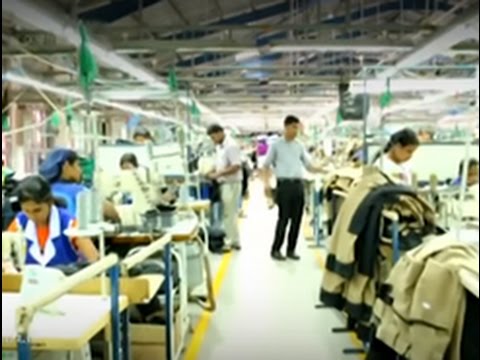
The work force of a country is a corner stone of sustainable economic development. Those concerned on economic development should pay attention to elements which misuses workforce. Such can be playing to the tune of competitor states. Hence, it’s important to educate the next generations on such challenges. The children’s day statement issued by Sri Lankan Prime Minister should therefore, be studied carefully. According to that Education, healthcare & material security should remain fundamental to a child’s development. It also stated that a child, who feels safe, valued & heard is better equipped to learn, build relationships, face challenges & contribute positively to society (Ref. Media). All above is directly connected to human rights. Children of today will be the workforce of tomorrow. Sri Lanka may learn from success stories on ensuring rights of the future & present workforce. The Chinese example is important as Chinese workforce is managing world’s 2nd largest economy.
Child Rights in Xinjiang & Tibet
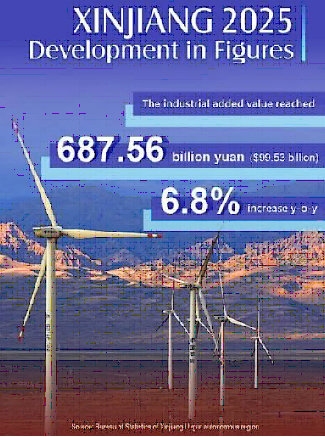
United Nations Children’s Fund (UNICEF) has been operating in the Xinjiang Autonomous Region for decades & has been working on inclusive education in schools & play based learning in kindergartens etc. These programs have been implemented under the supervision of international staff representing many countries including Sri Lanka. This aims to ensure equitable & quality education for children, including those with specific learning needs (Ref. UNICEF). Of all regions, children in Tibet autonomous region receive free education for most number of years from the Chinese government. Contributions of Xinjian & Tibet to national economic growth indicate the result of these efforts despite negative western interpretations. Some western media fearing China sabotaging British Police cars, Ambulances & Buses is the most recent example of west seeing crocodiles in a tea cup (Ref. Media).
China’s quest for Human Rights
Jia Guide, China's permanent representative to the UN at Geneva, recently delivered a joint statement on ‘Improving International Human Rights Governance’ on behalf of 71 countries at the 63rd session of the Human Rights Council. The statement was based on the platform of ‘The Group of Friends of Global Governance in Geneva’ (launched in February, 2026). He noted the changes taking place in the global landscape amid turbulent environments & tabled below four proposals explaining Chinese approach to global human rights protection;
If above are properly implemented, global economic development shall not be a challenge.
Views expressed are personal
Author is an Academic & the Executive Director of the ‘Zheng He Center’ in Colombo.
Photo Source: WWW
Video Story