

August, 11, 2025
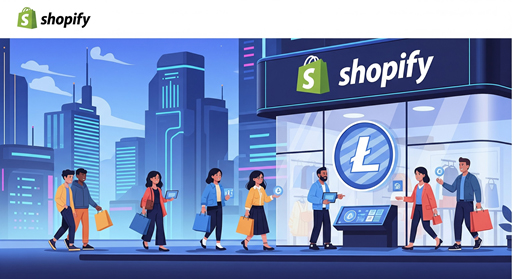
Shopify recently announced that over 115,000 merchants added support for Litecoin in Q1 2025, signaling a major shift in crypto payment infrastructure and impacting Litecoin price dynamics significantly. This rapid integration highlights how blockchain payments are gaining influence in mainstream e-commerce.
According to NOWPayments, a popular crypto payment gateway, Shopify stores are increasingly deploying LTC payment options through plugins. The surge of 115,000+ merchants within the first quarter is driven by rising consumer demand for fast, affordable, and borderless transactions.
Shopify’s Q1 2025 results highlighted continued momentum: a 23–27% year-over-year increase in gross merchandise volume (GMV) and revenue of US$2.4 billion. Executive commentary emphasized building payment flexibility into the ecosystem, a shift that dovetails with crypto adoption trends.
Shopify’s ecommerce platform now supports integration with crypto payment processors using customizable plugins and APIs. The process includes
This integration involves zero transaction fees for the plugin, with merchants only paying standard processing fees to the provider. This ease of integration has made crypto payments accessible to small and medium-sized merchants worldwide.
1. Demand Surge, Liquidity Uptick
On-chain metrics show rising LTC transfer volume to merchant addresses following the announcement. While data is preliminary, weekly inflows have increased by 20–30%, signaling growing commercial activity and upward pressure on the litecoin price.
2. Market Sentiment
Crypto analysts suggest that merchant integration provides a fundamental boost to Litecoin, reinforcing its narrative as a payments-friendly cryptocurrency. Litecoin prices have seen a 5–7% premium spread relative to Bitcoin in the weeks following the Shopify announcement.
3. Network Usage and Fee Revenue
While LTC transaction fees remain low, increased usage supports miner and node incentives. This broader utilization strengthens confidence in Litecoin’s long-term viability as a payments infrastructure.
Speed & Cost
Litecoin’s 2.5-minute block time means checkout confirmation can occur in under 5 minutes, that is much faster than Bitcoin, and transaction fees typically stay under $0.01.
Settlement Preference
Merchants can settle in LTC or auto-convert to fiat, balancing crypto exposure with stability based on internal treasury policies.
Integration Simplicity
With Shopify pushing plugin-based fiat integration, merchants face minimal technical or compliance hurdles. This lowers the barrier to trying crypto payments.
Regulatory Environment
Merchants must consider AML/KYC and tax reporting, especially where cryptocurrencies are treated differently than fiat in local jurisdictions. Providers often handle these requirements through automated systems.
The adoption of Litecoin payments by over 115,000 Shopify merchants in Q1 2025 marks a pivotal point for crypto integration in global e-commerce. Through seamless plugin-based implementation, merchants now offer low-fee, fast LTC checkout options, enhancing consumer choice and broadening financial inclusion.
This surge in real-world payment adoption is translating into tangible market impact. Litecoin price dynamics are responding, demand is up, liquidity is deeper, and price performance reflects newfound utility.
As Shopify blazes the trail, other platforms may soon follow. Litecoin appears primed to ascend as a mainstream payment juggernaut, a development with profound implications for merchants, consumers, and markets alike.
Video Story