

September, 25, 2025

In a bold move to revitalize Sri Lanka's economy amid ongoing recovery efforts, the Securities and Exchange Commission (SEC) has unveiled a transformative 10-year strategy titled "12 Pillars: One Vision for a Resilient Market." Released on September 24, the initiative outlines 12 key projects designed to foster innovation, enhance infrastructure, and build a diverse, investor-friendly capital market ecosystem.
The strategy, detailed in a newly published booklet by the SEC, comes at a time when Sri Lanka's capital market is showing strong signs of resurgence. As of September 18, 2025, the All Share Price Index (ASPI) has surged 209.5% since 2021, with market capitalization reaching Rs. 7.44 trillion. Domestic contributions dominate turnover at 93.14%, driven largely by individuals (48.49%) and companies (44.65%), while foreign participation accounts for 6.86%. In 2024 alone, the market raised Rs. 175 billion in capital—Rs. 2.80 billion through equity and Rs. 94.80 billion via debt—marking a historic high.
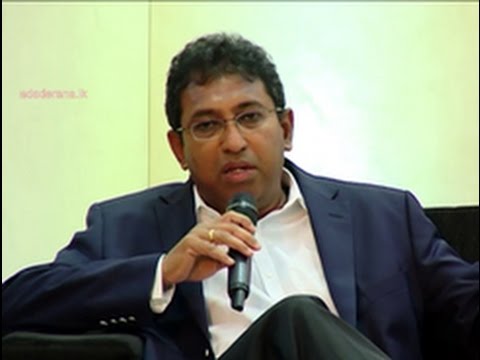
SEC Chairman Senior Prof. Hareendra Dissabandara, in his introductory remarks, emphasized the market's pivotal role in national growth. "As Sri Lanka continues on its journey toward economic recovery, the SEC stands steady to play a critical role in facilitating capital formation, an essential driver of sustainable growth," he stated. "Our ultimate goal is to build a dynamic and resilient market that fosters long-term stability, ensuring sustainable prosperity for generations to come."
The SEC's vision is to position itself as a benchmark capital market regulator in the region, with a mission to promote a fair, efficient, orderly, and transparent market. Operating under the SEC Act No. 19 of 2021, the regulator oversees market institutions like the Colombo Stock Exchange (CSE), central depositories, and clearing houses, as well as intermediaries including investment managers, stockbrokers, and credit rating agencies.
The 12 key projects form the core of the Capital Market Strategy 2025-2035, drawing input from stakeholders such as the CSE, stockbroking and unit trust industries, the CFA Society Sri Lanka, and multilateral donors. While not explicitly numbered in the document, the initiatives include high-priority reforms such as the demutualization of the CSE, expansion of corporate debt and collective investment schemes, introduction of new financial instruments like exchange-traded funds (ETFs) and derivatives, establishment of a multi-asset class derivatives exchange, regulatory reforms, digital transformation, market infrastructure upgrades, risk management enhancements, and investor education programs.
These projects aim to achieve five strategic goals: establishing a robust regulatory environment, protecting investor interests, fostering market development, promoting informed investment decisions, and enhancing institutional excellence. Key transformation objectives include digitizing end-to-end processes for trading and settlement, increasing market capitalization relative to GDP, diversifying products to appeal to varied investor segments, and aligning with international standards.
Recent milestones highlight the strategy's foundation. The SEC has introduced innovative products like GSS+ bonds (green, social, sustainability, and sustainability-linked), Sukuk securities, high-yield bonds, infrastructure bonds, and perpetual bonds. Notable issuances include DFCC Bank's Rs. 2.5 billion green bond, Commercial Bank's Rs. 15 billion green bond, and Vidullanka PLC's Rs. 500 million Sukuk. The regulator has also acquired a state-of-the-art market surveillance system from Nasdaq to detect anomalies and bolster investor protection.
Broader benefits extend to issuers, who gain efficient capital-raising mechanisms and visibility for ESG practices; the government, which can fund projects via bonds and divest state-owned enterprises; investors, who benefit from greater confidence and wealth creation opportunities; and the economy, which sees improved resource allocation, financial inclusion, and resilience.
The strategy aligns with Sri Lanka's post-crisis recovery, supported by IMF reforms and debt restructuring. The economy grew an estimated 5% in 2024, with the capital market playing a key role in financing tourism, manufacturing, and services. Market capitalization to GDP has risen steadily, reflecting renewed confidence.
Looking ahead, the SEC envisions a "Capital Market Renaissance" with milestones like a demutualized exchange, diversified portfolios of debt, equity, and derivatives, increased daily turnover, and technology-driven access for stakeholders. "Together we will shape a Capital Market that stands as a cornerstone of Sri Lanka’s sustainable economic future," Dissabandara concluded.
As Sri Lanka positions itself as a dynamic investment hub in South Asia, this roadmap could bridge savings and investment, driving inclusive growth. However, success will hinge on sustained fiscal discipline, transparency, and collaboration among regulators, intermediaries, and participants.
Video Story