

September, 25, 2025
The Sri Lanka Association of Manufacturers & Exporters of Rubber Products (SLAMERP) has sounded an urgent warning on the severe consequences of abolishing the Simplified Value Added Tax (SVAT) scheme from 1st October. The Association stressed that the move will trigger a cash flow crisis across the entire rubber value chain, from smallholder farmers and SMEs to large-scale exporters, with damaging repercussions for livelihoods, supply chains and Sri Lanka’s foreign exchange inflows.
Rural livelihoods at risk
Sri Lanka’s natural rubber industry depends on tens of thousands of smallholder farmers who form the backbone of national export competitiveness. With SVAT removed, manufacturers will be forced to shoulder billions of rupees in VAT until refunds are processed, delaying raw rubber purchases and eroding farmgate prices.
“This challenge goes beyond the company. For farmers, it strikes at the core of their livelihoods as they would face delayed payments, falling demand, and shrinking incomes, pushing already vulnerable households into further hardship,” said Pushpika Janadheera, Chairman of SLAMERP.
SMEs face closure
The sector’s SME ecosystem, which supplies raw materials, provides intermediate processing, and delivers vital services, will also be disproportionately affected. Lacking affordable financing, these enterprises will struggle to absorb upfront VAT costs, leaving many facing closure. Such a collapse would unravel decades of progress in building local supply chains, destroy jobs, and fracture the foundations of the rubber industry.
Exporters under severe strain
Large-scale exporters, already burdened by high energy costs and unfavourable global conditions, will likewise face crippling liquidity shortages if VAT refunds are delayed. The inevitable outcomes include scaling back operations, loss of export competitiveness and volumes, potential shutdowns of firms unable to withstand financial shocks, and a direct fall in foreign currency inflows that would undermine Sri Lanka’s reserves and economic recovery.
Refund mechanism unproven
Despite assurances from the Inland Revenue Department (IRD) that refunds will be processed within 45 days, no pilot programme has been conducted to prove the system’s readiness. Weak integration between the IRD, Sri Lanka Customs and exporters compounds the risk of refund delays, disputes and systemic inefficiencies.
“Without a tested, reliable mechanism, the removal of SVAT will destabilize an entire export sector with ripple effects across the economy,” Janadheera warned.
Call for urgent government intervention
SLAMERP urges the Government to:
“Rubber exports represent livelihoods for rural communities, opportunity for SMEs, and a critical stream of foreign exchange for Sri Lanka. If SVAT is removed without a proven refund mechanism, the disruption will endanger livelihoods, industries, and the nation’s fragile recovery,” concluded Pushpika Janadheera, Chairman of SLAMERP.
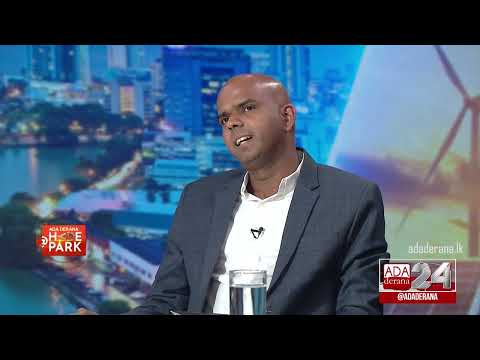
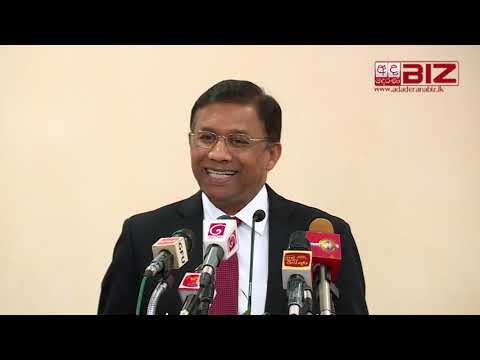
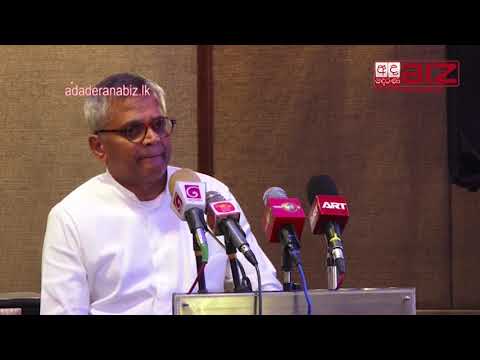
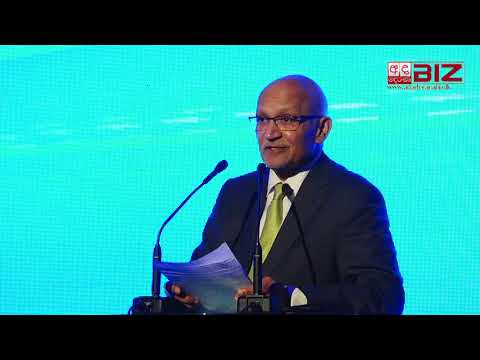
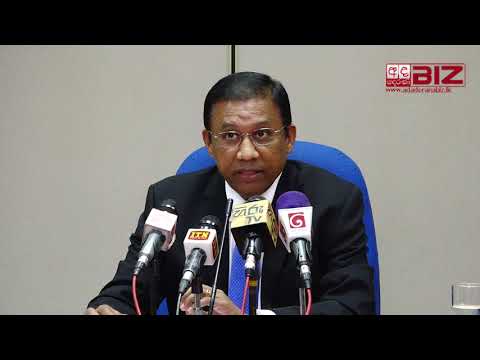
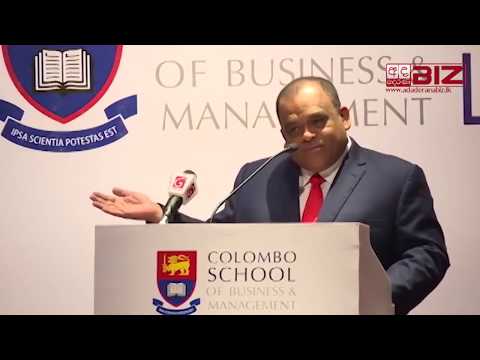
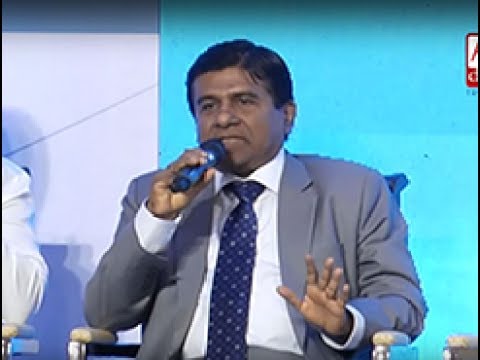
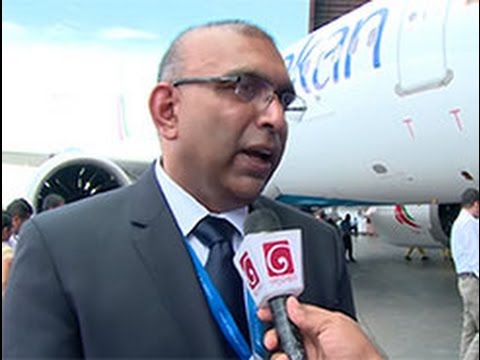
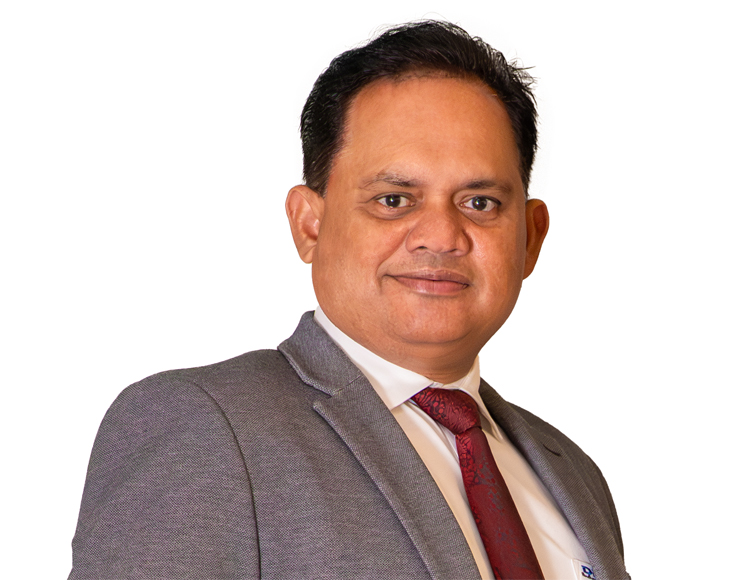
Photo caption: Pushpika Janadheera, Chairman of SLAMERP
Video Story