

June, 8, 2026
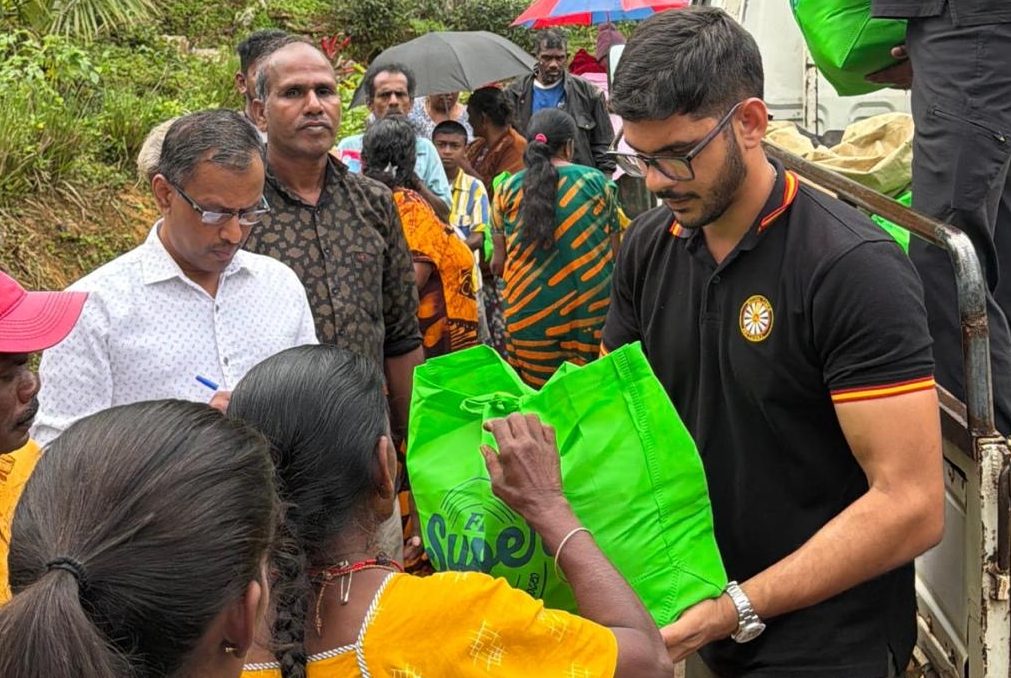
Moving beyond the "blind spots" of traditional aid, an exclusive network of young professionals reached 64,800 survivors of Cyclone Ditwah.
By, Avanka William, Feature Correspondent for Round Table Sri Lanka
SRI LANKA — In late 2025, Cyclone Ditwah tore through the island, triggering the most extensive flooding and landslide damage seen in two decades.
The catastrophe claimed a confirmed death toll of 648 individuals and left over 2.3 million people scrambling for safety as transport and power networks collapsed across the country. While the scale of the destruction was unprecedented, a different kind of responder was moving against the tide.
They arrived with the precision and strategic mindset of a corporate boardroom.
Round Table Sri Lanka (RTSL) is the local chapter of Round Table International, a premier global fellowship spanning over 65 countries. It is an exclusive network of young directors, executives, and professionals under 40 who view service through the lens of professional excellence. When the storm hit, these members trained in project management and supply-chain logistics deployed their corporate acumen to solve a national crisis in real-time.
A Nationwide Humanitarian Crisis
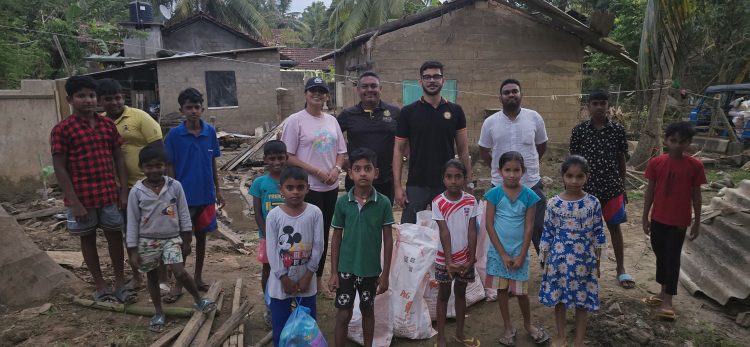
The economic and human toll of the cyclone has been staggering, with direct physical damage estimated at US$ 4.1 Billion. Over 100,000 homes were damaged, and 34,000 individuals remain in government safety centers. RTSL pivoted to the "blind spots" rural clusters in Thambuththegama, Nochchiyagama, and the coastal stretches of Kandakuliya where infrastructure collapse had halted standard distribution.
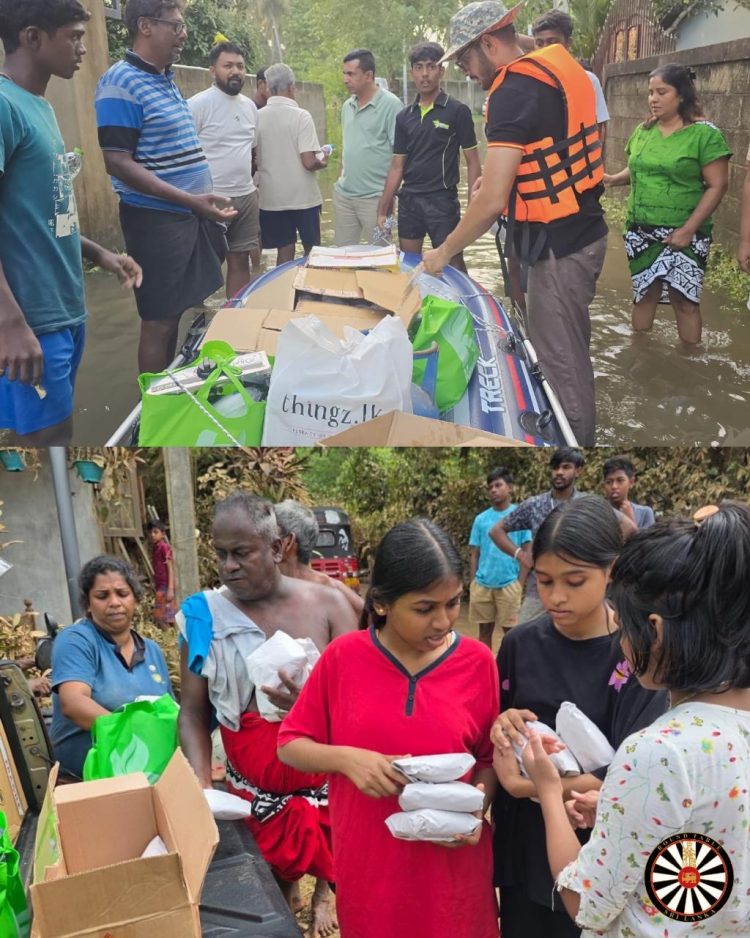
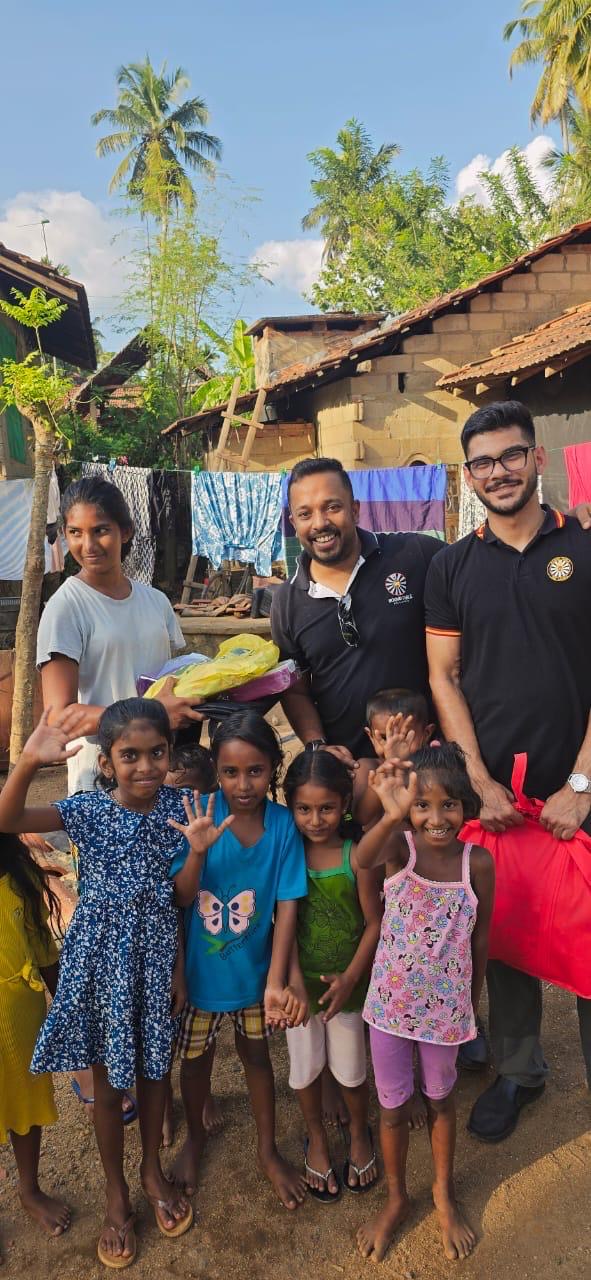
Leveraging its international connectivity, the fellowship partnered with P&G India and Round Table India to secure and deploy LKR 21 Million in high-priority hygiene and sanitation supplies. This was a surgical operation: 18,000 standardized "Household Packs" were designed to ensure that even the most isolated families received a comprehensive sanitation solution in a single delivery.
To date, an estimated 64,800+ individuals have been reached.
Operational Agility
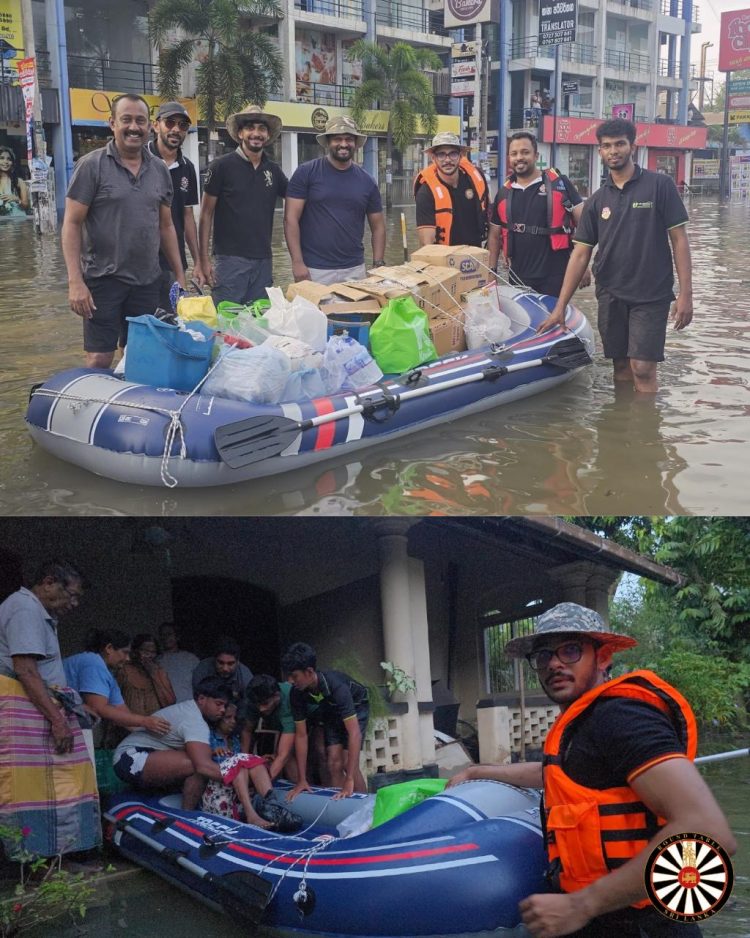
The fellowship’s response was defined by specialized maneuvers. Members conducted 26-hour endurance missions in personal high-lift 4x4 SUVs to reach survivors. In Gampaha, inflatable rescue boats were deployed where floodwaters exceeded five feet. In the mountains of Kotmale, RTSL coordinated with the Sri Lanka Air Force to airlift 400 ration packs to communities completely cut off from the grid.
The impact extended deep into the island’s social fabric:
The Institutional Grade of Trust
What sets this fellowship apart is a governance model usually reserved for top-tier corporations. Every strategic decision and major expenditure is governed by a rigorous internal audit process; no aid is deployed without a 3-4 member mandatory approval from the Core Team. This ensures that every donor rupee is utilized with maximum transparency and institutional-grade oversight.
As the fellowship moves into Phase 3 (Recovery), focusing on the long-term reconstruction of rural schools, they continue to prove that an agile, elite network of professionals is the most effective bridge between catastrophe and recovery.
"This is not just about relief," says an RTSL spokesperson. "It’s about the strategic application of leadership to reach the unreachable."
For more information on the "Side by Side" Disaster Relief initiative or to support Phase 3, visit the official portal: rtsrilanka.com
Video Story