

September, 3, 2026
Recognizing the strategic importance of the Marine and Offshore sector to Sri Lanka’s export development, the National Export Development Plan (NEDP) 2026–2030 has identified Marine-Based Industries, including boat and shipbuilding, as one of the country’s priority export sectors. In line with this national priority, the Sri Lanka Export Development Board (SLEDB), in collaboration with the Institution of Engineers, Sri Lanka (IESL), conducted a one-day capacity-building workshop on Marine and Offshore Engineering (M&OE) for engineering undergraduates, with the aim of strengthening the skills, industry exposure and readiness of Sri Lanka’s future engineering workforce
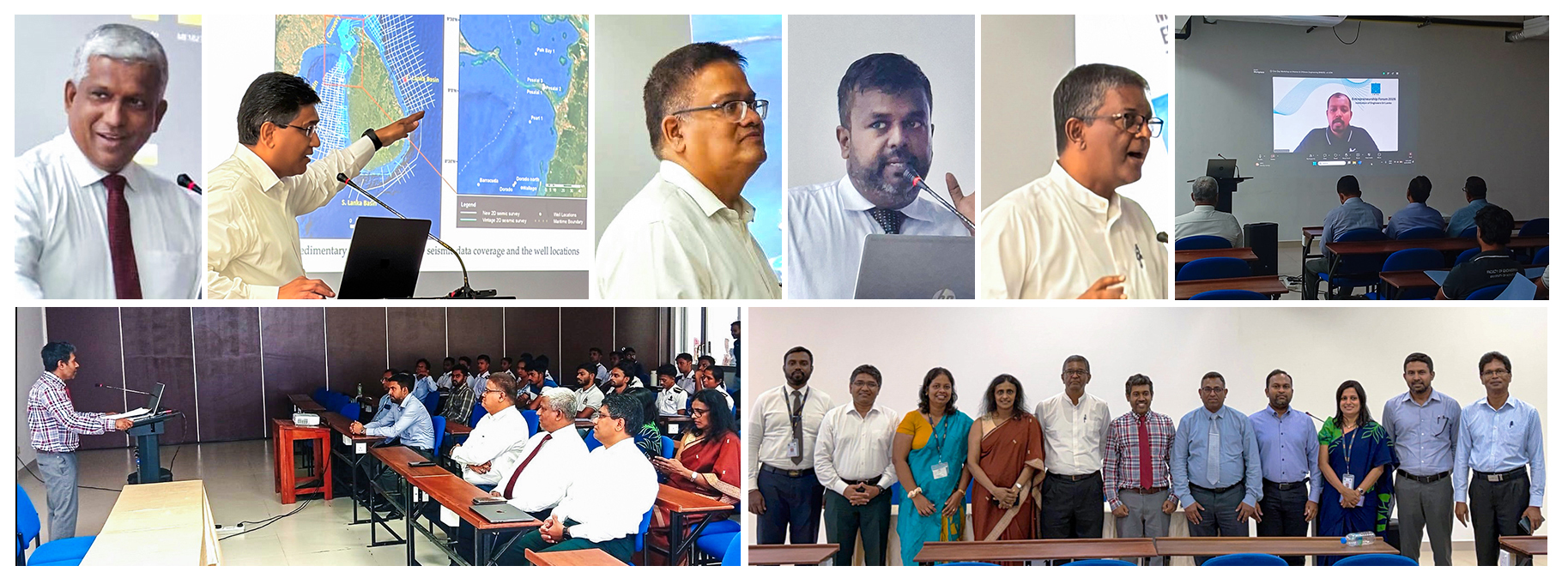
The workshop was held on August 24th at the University of Moratuwa and was organized through the Marine and Offshore Services (M&OS) Sub-committee on Skills Development under the Advisory Committee on the M&OS Sector, in collaboration with the University of Moratuwa.
The programme brought together engineering undergraduates representing the University of Moratuwa, University of Ruhuna, University of Sri Jayewardenepura, General Sir John Kotelawala Defence University (KDU), and Ocean University of Sri Lanka. This broad participation provided students from different academic institutions with an opportunity to gain exposure to the Marine and Offshore Services sector and its emerging career and industry opportunities.
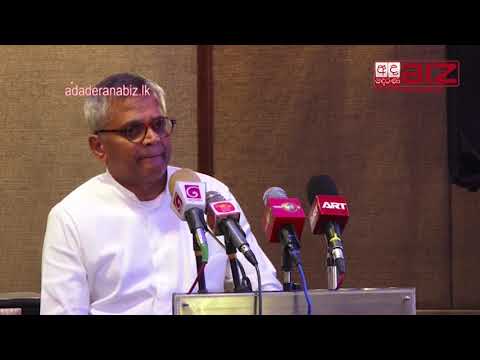
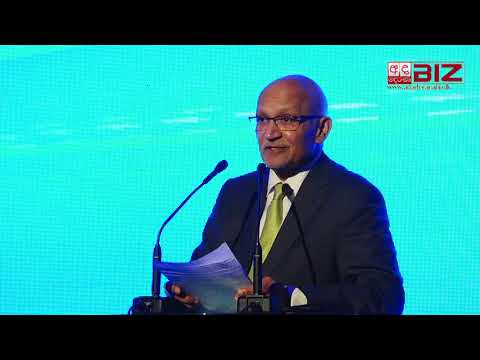
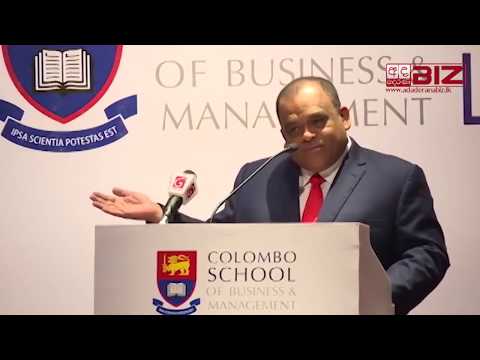
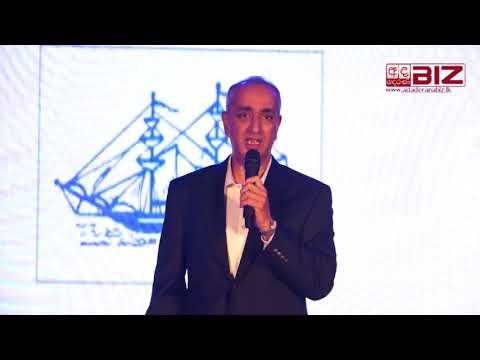
Addressing the gathering Mr. Erandika Dissanayake, Director General of the Sri Lanka Export Development Board said that it is the time to explore the opportunities in mining, oil & gas, nautical tourism, ship building and other related areas.
This initiative will forms part of SLEDB’s broader capacity-building efforts to develop the skills base required to strengthen Sri Lanka’s potential in the Marine and Offshore Services sector.
The workshop featured sessions delivered by academics and industry professionals covering key areas including the Marine and Offshore industry and its opportunities, welding technology and future trends, upstream petroleum processing and exploration operations, offshore hazard management, Hazard and Operability Studies (HAZOP), offshore pollution management and marine pollution in Sri Lanka.
The programme also provided opportunities for participants to engage with experienced professionals through discussion and question-and-answer sessions, enabling students to gain insights into industry requirements and emerging developments beyond their academic curriculum.
The capacity-building initiative is expected to contribute towards increasing awareness among engineering undergraduates of career and professional opportunities within the Marine and Offshore Services sector, while strengthening linkages between academia, professional institutions and industry.
SLEDB, together with its sector stakeholders, intends to continue supporting initiatives that enhance the knowledge, skills and industry exposure of young engineering professionals, contributing to the development of a stronger and more competitive Marine and Offshore Services sector in Sri Lanka. Further it was highlighted that SLEDB with the stakeholders have initiated discussions on developing a Marine & Offshore Blueprint.
Video Story