

September, 24, 2026
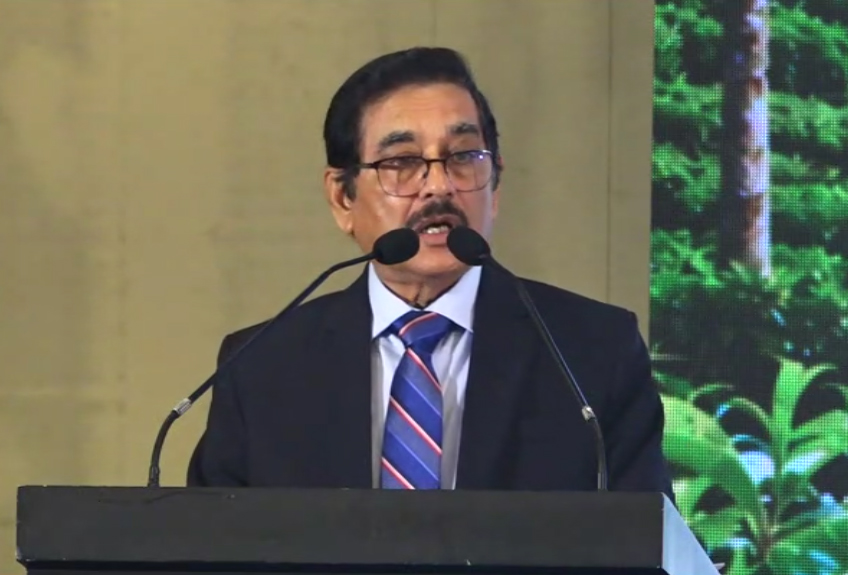
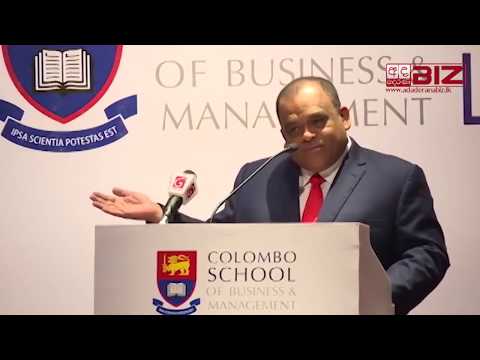
Speaking at the 172nd Annual General Meeting of the Planters’ Association of Ceylon held at Colombo on September 19, 2026, Central Bank of Sri Lanka (CBSL) Governor Dr. Nandalal Weerasinghe highlighted key macroeconomic opportunities, structural challenges, and reputational risks facing Sri Lanka's plantation industry.
Dr. Weerasinghe pointed out that Sri Lanka’s economy has demonstrated resilience, recording 4.2% GDP growth in the second quarter of 2026 despite headwinds such as Middle East conflicts and the Ditwah Cyclone. Agricultural exports crossed the $3 billion threshold for the first time in 2025, rising to $3.1 billion from $2.8 billion in 2024. Coconut product exports recorded $573 million in 2025, while tea remains the leading component of the agricultural export basket.
The Governor issued a stern warning regarding unregistered financial schemes using the "Plantations" name for illegal deposit-taking. Promising unrealistically high returns in short periods, these scams risk damaging the trust built over generations. Dr. Weerasinghe urged the Planters’ Association to proactively collaborate with the Central Bank and law enforcement to protect public savings and preserve the sector’s global reputation.
Highlighting structural issues, the Governor cited steep increases in production costs. The cost of producing a kilogram of tea climbed from approximately Rs. 618 in 2021 to Rs. 1,043 in 2025, while rubber production costs rose from Rs. 350 to Rs. 686 per kilogram. Labour costs now account for as much as 65% of tea estate production costs, compounding problems caused by demographic shifts and worker migration. Over the past decade, national tea and rubber output has declined, with rubber output nearly halving.
To stay competitive against global peers in Kenya, India, and Thailand, Dr. Weerasinghe called for mechanisation, long-term systematic replanting, technological innovation, and climate-resilient farming practices. He emphasized that future growth will depend on moving beyond raw commodity volumes toward value creation through higher-quality processing, branding, sustainability compliance, and eco-tourism integration.
Video Story