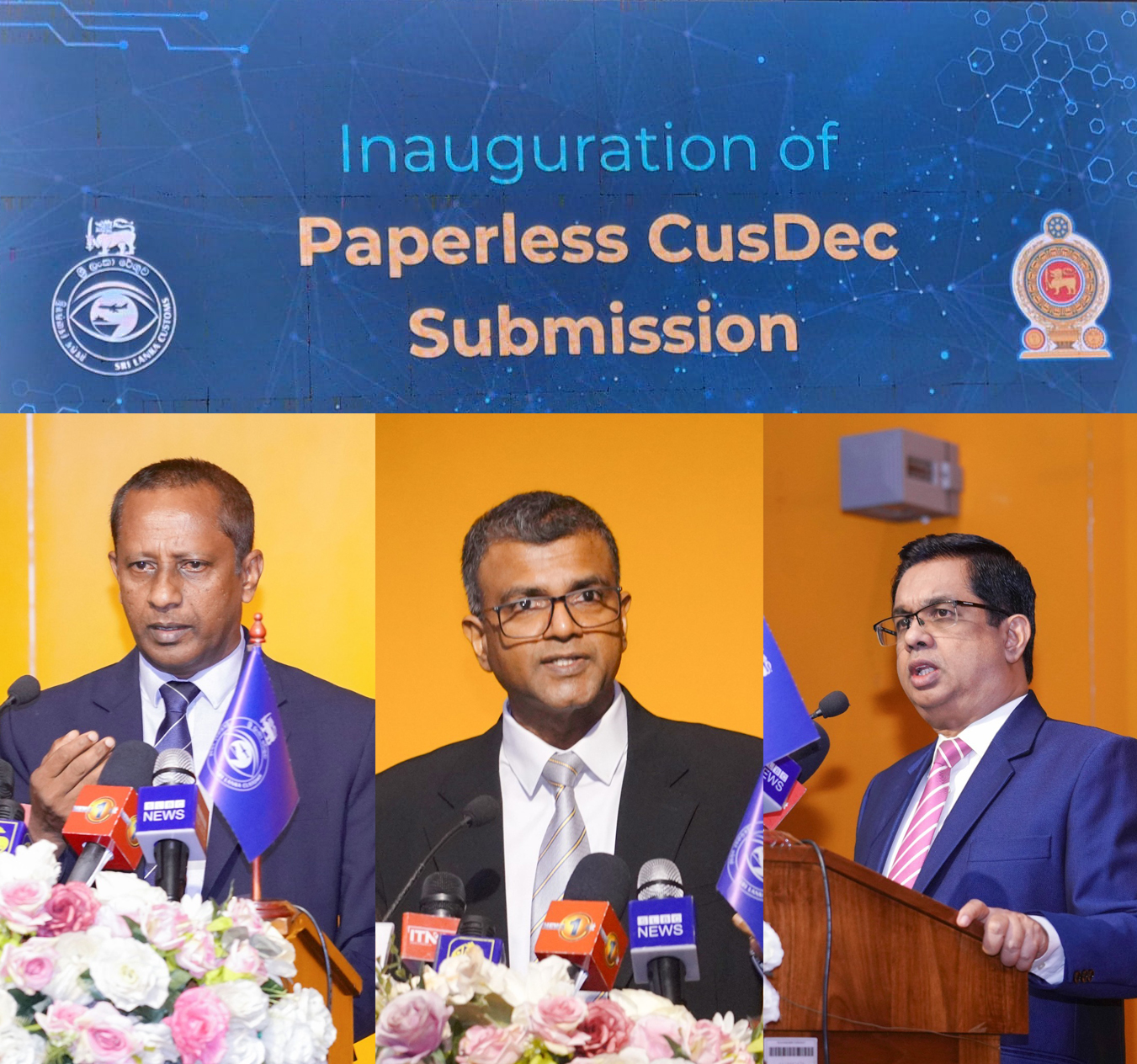
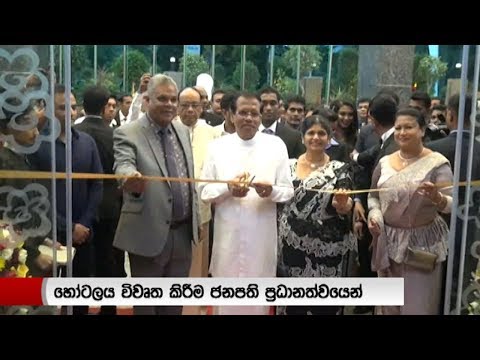
In a major transformation of Sri Lanka Customs, the Digital Signature and Paperless Customs Declaration Processing System, introduced jointly by the Revenue Administration Reform and Modernisation Bureau of the Presidential Secretariat and Sri Lanka Customs, was officially launched today (01) at the Sri Lanka Customs Auditorium, under the patronage of Deputy Minister of Economic Development Nishantha Jayaweera and Secretary to the President Dr Nandika Sanath Kumanayake.
Accordingly, with effect from today, all importers and declarants are required to submit their customs declarations and other relevant documents bearing a valid digital signature. Customs declarations submitted under the previous system will no longer be accepted. The Digital Signature and Paperless Customs Declaration Processing System will enable Sri Lanka Customs to provide a more efficient, faster and transparent service throughout the customs clearance process, while helping to reduce fraud and corruption. A total of 1,144 companies are currently participating in the process.
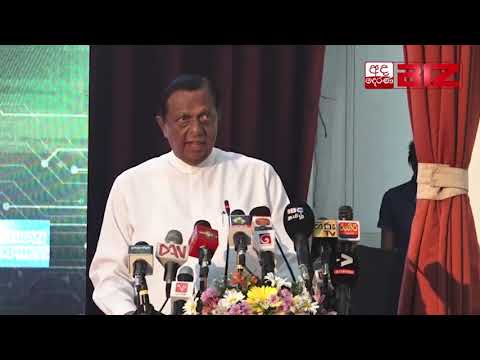
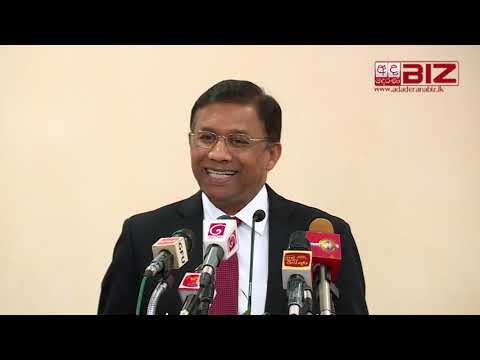
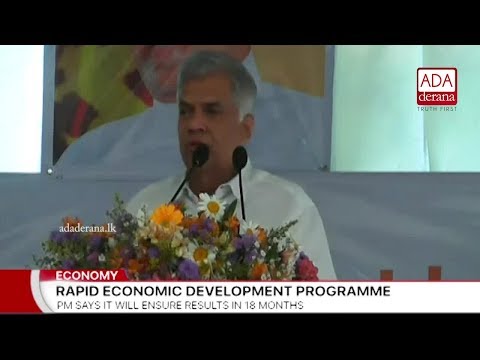
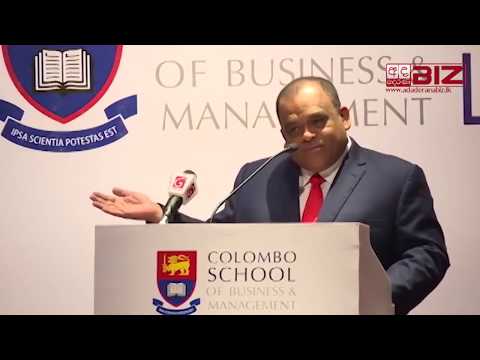
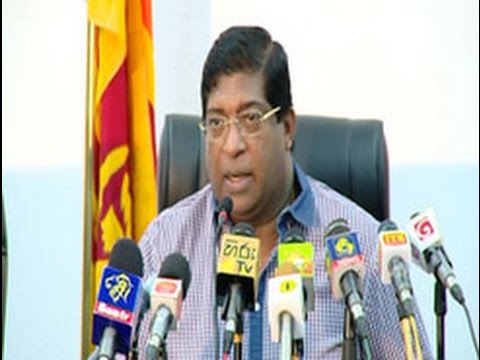
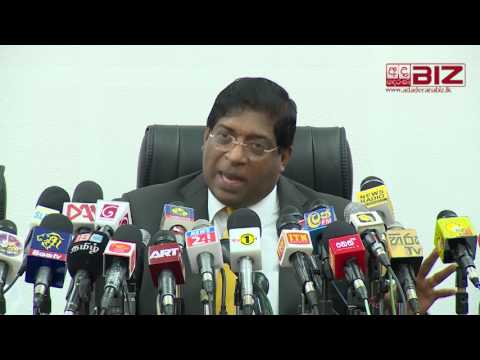
Addressing the event, Deputy Minister of Economic Development Nishantha Jayaweera said ;
Today marks a significant milestone in the 200-year history of Customs. We have set ourselves the goal of establishing a National Single Window, through which businesses and investors can complete all their requirements. This Digital Signature and Paperless Customs Declaration Processing System is an important milestone in that process. It will enable all customs-related activities, including import and export procedures, to be carried out online. This is a system that will save time, money and resources for the public, businesses, investors and everyone involved.
Customs is currently exceeding its revenue targets for this year. It has already come close to the Rs. 2,207 billion target set for this year. Your institution also exceeded its target last year. It was not only Customs; all revenue-generating institutions exceeded their targets, strengthening the country's economy. As a result, we were able to face challenges more effectively. We were also able to present a Budget with the lowest budget deficit. Despite the increase in fuel prices amid the war in the Middle East, we were able to manage the situation without allowing it to cause serious damage to the country's economy.
We expect to increase capital expenditure, which had remained in the range of Rs. 1,300-1,400 billion, to Rs. 2,000 billion next year. We should not forget that we came through an era when the Government had to wait for funds to be collected by the Treasury before it could pay public servants' salaries. The exceptional contribution made by revenue-collecting institutions, including the Department of Customs, provided significant support in moving beyond that era and reaching the present situation.
Next year, we plan to make our tax system simpler and more user-friendly. We will remove certain taxes levied in addition to customs duty and make the necessary changes to simplify the tax system systematically. Similar simplified systems will also be adopted for other institutions. We will accelerate the integration of information technology systems across institutions. We regard the paperless customs declaration system launched today as one of the milestones in this journey.
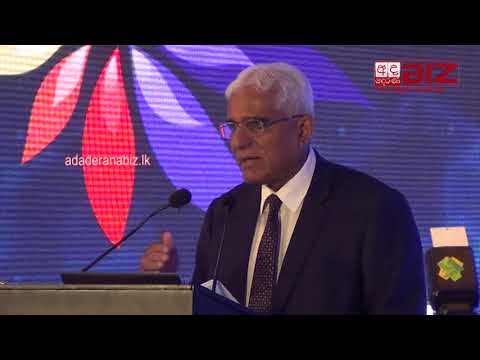
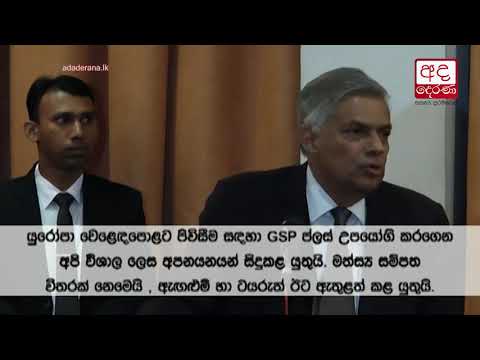
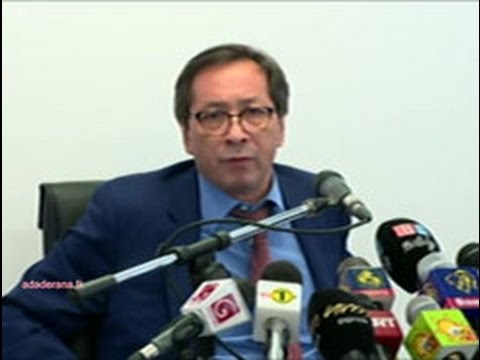
Secretary to the President Dr Nandika Sanath Kumanayake said ;
Expanding international trade is important for increasing a country's economic growth. Barriers to this must be removed. In particular, it is important to improve trade facilitation and reduce the costs and time involved in these activities.
With particular focus on this matter, the Revenue Administration Reform and Modernisation Bureau was established within the Presidential Secretariat to give greater attention to revenue-collecting institutions, including the Department of Customs, and to undertake the necessary reforms.
Through this bureau, we are helping to strengthen the reform processes of these three institutions, remove obstacles and ensure that the reforms are implemented properly.
These revenue-collecting departments have demonstrated a positive trend. They are exceeding their revenue targets. In particular, Customs is on course to exceed its annual target by the end of the next quarter. We believe that this process will enable us to transform Sri Lanka Customs into a prominent customs institution not only in South Asia but in Asia as a whole.
Based on my experience in this institution since 1997, Customs has been systematically progressing towards greater development over a long period. Although reforms introduced from time to time have caused some disruption and uncertainty, with the passage of time we realise how beneficial those changes have been. Similar misconceptions arose when the paperless system was being discussed. Some expressed the view that people would lose their jobs. Some companies said they would have to change their organisational procedures because of this. However, we have worked to bring all these stakeholders together today. We are pleased with this step forward taken by Customs.
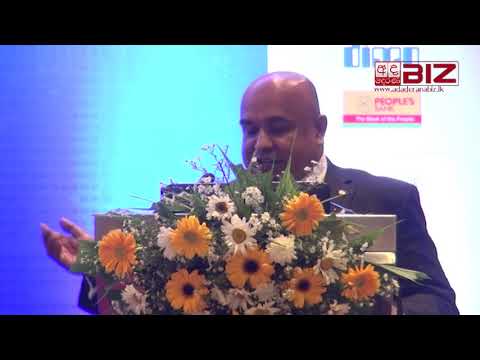
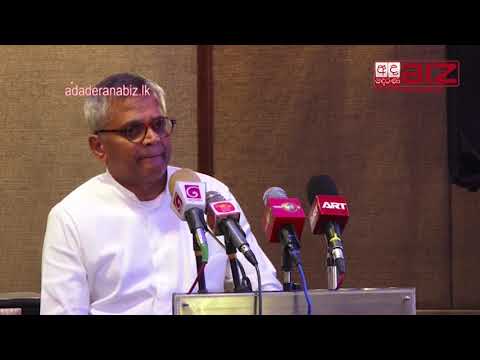
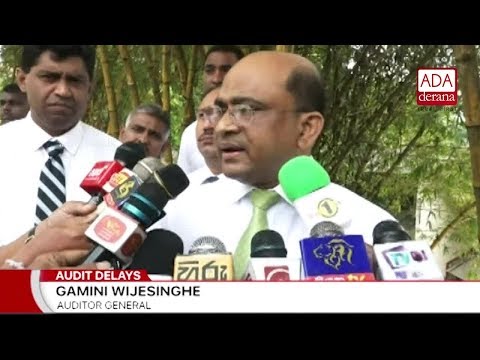
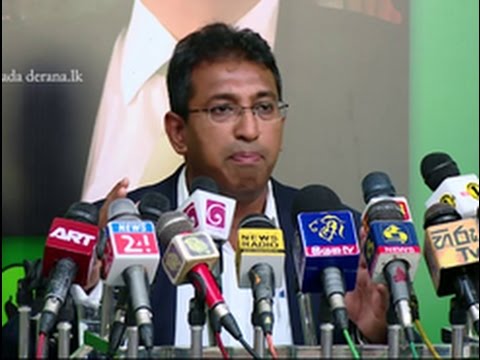
Secretary to the Ministry of Finance, Planning and Economic Development Dr Harshana Suriyapperuma said ;
As the Ministry of Finance, we implemented a number of programmes to achieve financial stability. We are now enjoying the results of those efforts as a country. This has enabled us to lift the country from its previous position in international ratings. It is important that international institutions themselves are recognising this progress. The significance of this is that it allows us to determine how to provide the relief needed by the general public and businesses, and how to use these improvements to take the country forward. The Digital Signature and Paperless Customs Declaration Processing System launched today is an important step in this regard.
This system will enable the public to reduce the time and cost involved in obtaining services, while also allowing those services to be delivered more efficiently. This is the result of a joint effort involving several ministries, government institutions and private-sector institutions. It will also make a significant contribution to government revenue and strengthen the capacity of revenue-collecting institutions to increase revenue collection. We are very pleased that concepts that existed at the conceptual stage have now been turned into reality.
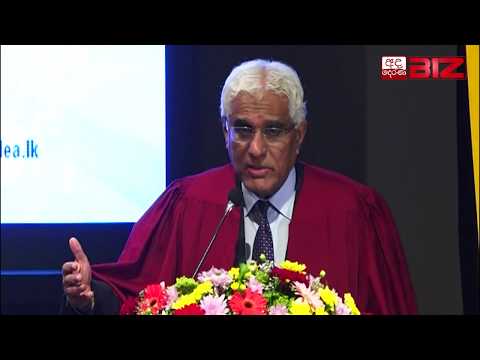
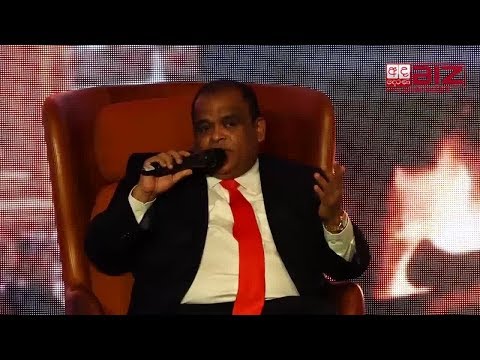
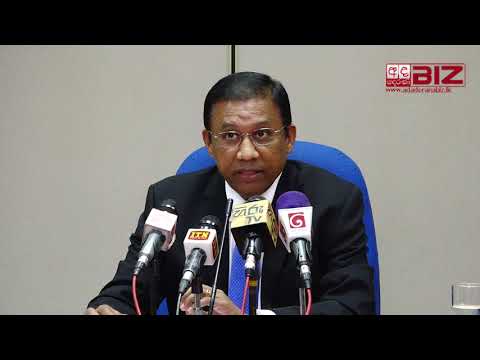
Customs Director General Wimal Liyanagemage said ;
Sri Lanka Customs is an institution with a history spanning more than 200 years. The Department of Customs has played a pioneering role in introducing information technology into the public service.
In the early 1990s, our institution took steps towards technological adaptation and was among the institutions that made the necessary technological transition at the appropriate time. Today, we have achieved greater efficiency than ever before. We also play a major role in social protection. Under the guidance of the Presidential Secretariat, our institution is carrying out a number of reforms. The launch of the Paperless Customs Declaration Processing System today is a major step forward in this process. Therefore, today is a very important day for us.
Senior Additional Secretary to the President Seevali Arukgoda, Secretary of the Ministry of Digital Economy Waruna Sri Dhanapala, Deputy Secretary to the Treasury D. J. Seneviratne and a number of other officials were also present at the occasion.