

May, 18, 2026

The Export Development Board (EDB), in collaboration with Control Union Sri Lanka, convened an awareness programme on Sri Lanka's readiness for the European Union Deforestation Regulation (EUDR), with a special focus on stakeholders in the coffee and wood-based products sectors.
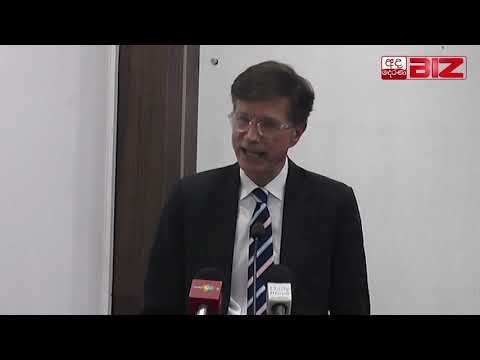
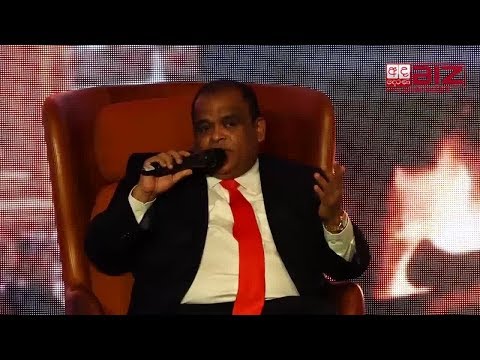
The programme, held on 12th May 2026 at the Training Arena of the EDB, brought together representatives from Government institutions, private sector stakeholders, producers, processors, manufacturers, exporters and industry experts. The event was inaugurated with opening remarks by Mr. Mangala Wijesinghe, Chairman/Chief Executive Officer of the Sri Lanka Export Development Board.
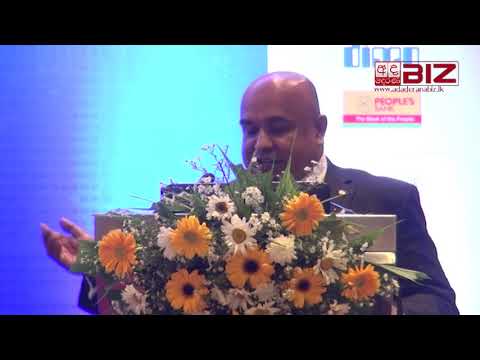
The EUDR is a regulation introduced by the European Union to ensure that several products entering the EU market do not contribute to deforestation or forest degradation and produced in compliance with the laws and regulations of the country of origin. It requires companies to prove that their supply chains are deforestation-free, legally compliant, and fully traceable. This regulation is directly applicable to several commodities, including coffee and wood-based products making it highly relevant to Sri Lanka's export sector. Expert Mr. Oshada Kumarasiri from control Union addressed participants on the specific requirements and implications of the regulation.
As global markets increasingly shift towards sustainability and ethical sourcing, compliance with regulations such as EUDR is no longer optional but it is essential. For Sri Lanka, this presents both a challenge and a significant opportunity. While exporters must adapt to new requirements, compliance also opens doors to position Sri Lankan coffee as a high-quality, sustainable, and responsible product in international markets.
Sri Lanka holds unique potential in the coffee sector, supported by its rich biodiversity, favourable climate, and growing interest in specialty coffee. By aligning with global sustainability standards such as EUDR, the country can further enhance its competitiveness and strengthen its presence in premium export markets.
The wood-based industry is also identified as an important sector contributing to Sri Lanka's manufacturing, construction, handicrafts, and export industries, supported by the country's skilled craftsmanship. The industry encompasses furniture, handicrafts, timber processing, plywood and panel products, and other value-added wood products.
Adherence to EUDR compliance will showcase Sri Lanka's commitment to sustainable sourcing, traceability, and environmentally responsible production practices, thereby strengthening market access to the European Union.
Compliance with evolving import regulations and enforcement measures of key export destination markets is essential to support Sri Lanka's overall export target of USD 36 billion by 2030. The programme provided participants with valuable insights into the scope of EUDR for coffee and wood products, compliance requirements, and practical steps for aligning with the new regulations.
Video Story