

October, 13, 2026
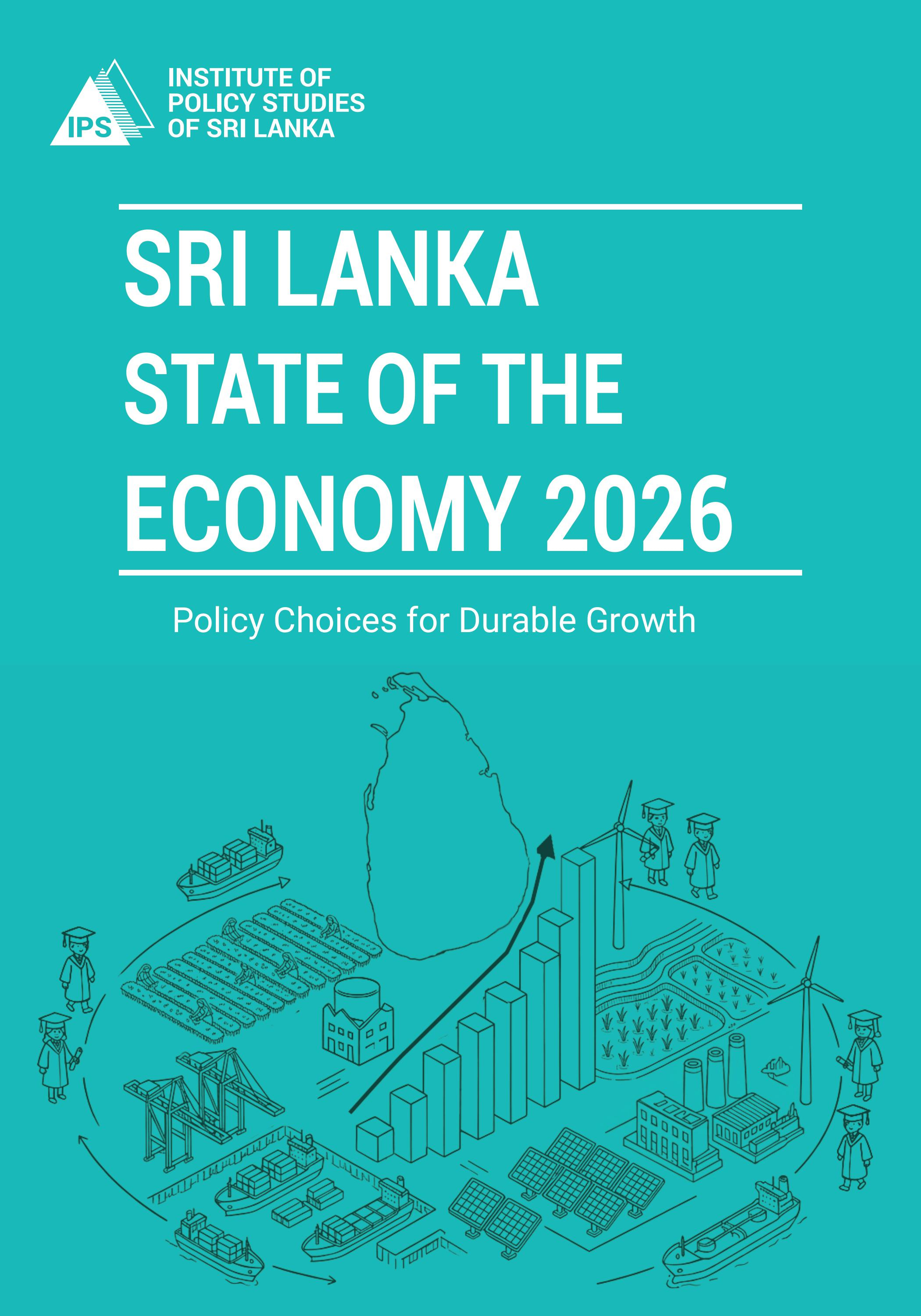
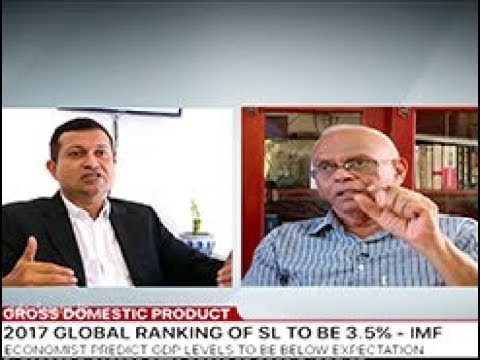
Sri Lanka has made significant progress since the economic crisis of 2022. Economic growth has continued into 2026, with real GDP expanding by 5% in both 2024 and 2025 and 4.7% in the first half of 2026. Inflation has moderated substantially from its 2022 peak, external debt restructuring has advanced, and foreign reserves have been rebuilt to more comfortable levels. However, the country now faces a more complex challenge in ensuring that recovery evolves into a durable growth process that can withstand future shocks and deliver broad-based improvements in living standards. These issues are examined in the Institute of Policy Studies of Sri Lanka’s (IPS) flagship annual report, Sri Lanka: State of the Economy 2026: Policy Choices for Durable Growth.
Sri Lanka can no longer rely on debt-financed spending, tax concessions, or import-intensive consumption as drivers of growth. Instead, durable growth must sustain macroeconomic stability while raising productivity, complemented by higher private investment, a more competitive and diversified export sector, and more effective use of scarce public resources. The challenge then is to accelerate growth without reopening the fiscal and external vulnerabilities that contributed to the crisis.
The report highlights the importance of strengthening human capital, improving labour market outcomes, enhancing social protection, and building climate resilience. With two-thirds of workers employed informally, reforms are needed to create better-quality jobs, address skills gaps, and protect vulnerable groups. As recent climate-related disruptions, including Cyclone Ditwah, and global energy shocks have demonstrated, resilience must be at the centre of Sri Lanka's development strategy. Investments in renewable energy, food systems, infrastructure, and disaster preparedness can help safeguard future growth while reducing vulnerability to shocks. Additionally, the report examines how infrastructure investment, regional development, and responses to changing population dynamics can support more inclusive growth.
Through a series of practical policy recommendations across trade, fiscal management, labour markets, urbanisation, energy, agriculture, social protection, and human capital development, Sri Lanka: State of the Economy 2026 sets out a roadmap for transforming recovery into a more resilient, inclusive, and productive growth trajectory. The report concludes that Sri Lanka can achieve its long-term development ambitions, but only by pursuing reforms that build competitiveness, strengthen resilience, and ensure that the benefits of growth are broadly shared.
Visit www.ips.lk for more information.
Video Story