

November, 1, 2019
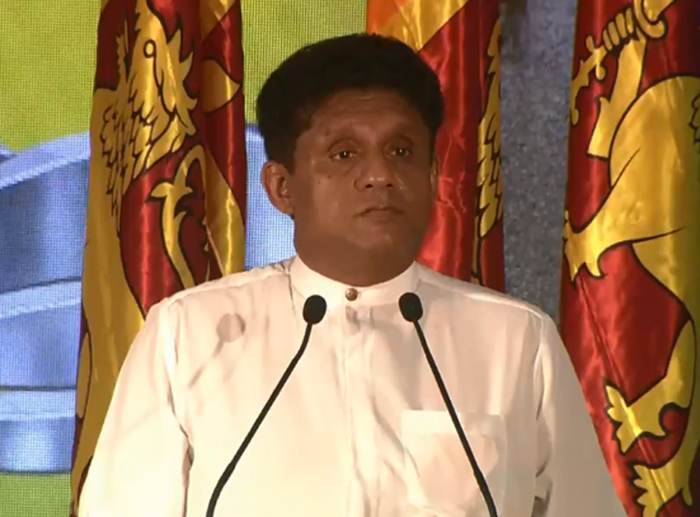
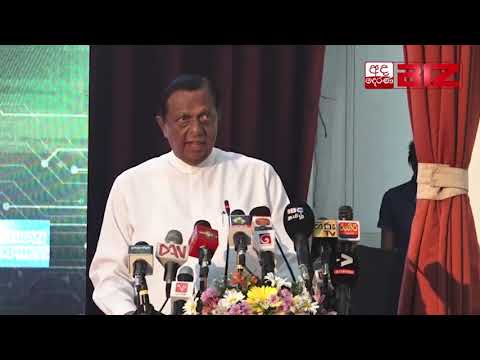
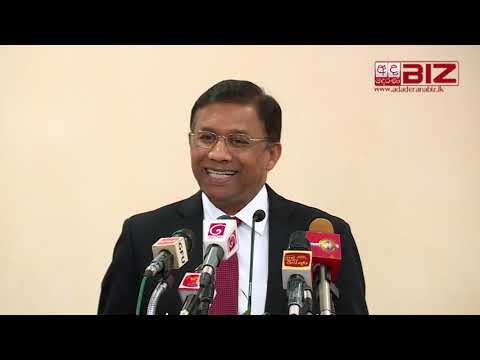
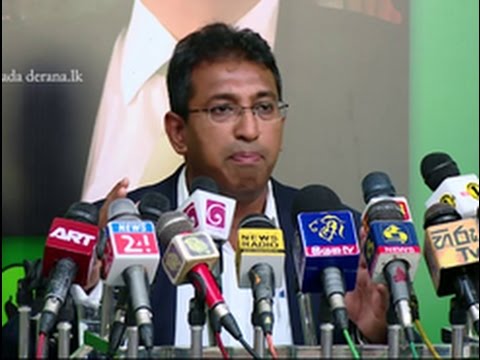
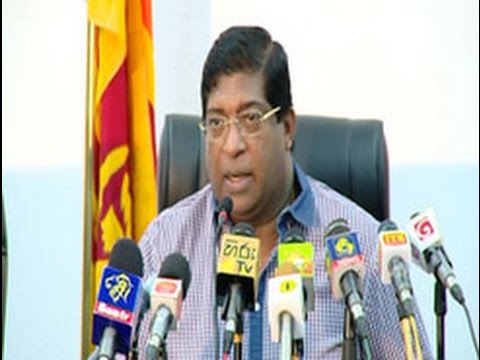
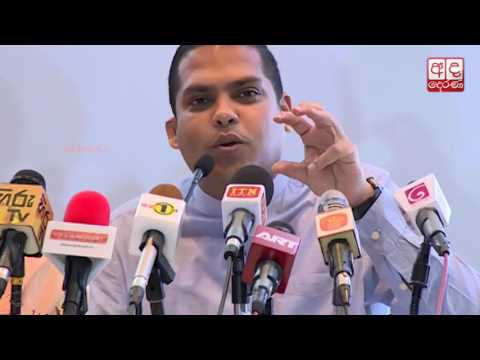
Sajith Premadasa, the housing minister and one of the presidential front-runners, announced his election manifesto on Thursday (31), promising new tax incentives in order to put the economy on a sound footing.
“Today 83 cents out of every rupee of tax collected by the government comes from taxes on goods and services. This indirect taxation increases the price of both goods and services, affecting our poorest citizens the most. We will therefore, reduce the contribution from indirect taxes to 60%,” Premadasa said in his election manifesto.
“We will simplify withholding tax and other taxes.”
“The PAYE Tax threshold will be increased from Rs.100,000 a month to Rs.150,000.”
“The PAYE tax brackets will be widened. We will also ensure tax policy certainty.” Premadasa said.
He also noted that they will continue the process of phasing out those para tariffs that have driven up costs to consumers and industry whilst enriching a few.
“In bringing down the number of taxes, we will amalgamate the NBT and VAT to a single tax of 15%.”
“We will increase the threshold of VAT from Rs.12 million per annum to Rs.50 million per annum- thereby making several small businesses exempt from VAT and enabling a proper focus on compliance of larger and more established businesses.”
‘With improved VAT compliance, we also hope to decrease VAT rate from 15% to 12.5% within two years,” Premadasa said.
He also noted that they will strengthen direct taxation through income tax and other progressive taxation methods to ensure that the burden of tax is not on the poor.
“The strengthening of direct taxation will not be through increased income tax rates, but rather, it will focus on improving compliances with national tax regulations by using technology and operational improvements such as digital inter-linkage between government agencies like department of motor vehicles, the land registry, the registrar of companies and the customs department and the Inland Revenue department,” Premadasa said.
“As part of this process, we recognize shortcomings in the prevailing direct tax structure as well- and in reforming this we have removed the tax on interest from foreign currency accounts , and the tax on children’s saving accounts,” he added.
Premadasa also noted that they will immediately implement the capital depreciation allowance, under which all investments up to $100 million will receive an additional 100% capital allowance , in addition 100% depreciation.
“Investments over $150 million will receive an additional capital allowance of 150%,” Premadasa said.
Sajith Premadasa, the housing minister and one of the presidential front-runners, announced his election manifesto on Thursday (31), promising new tax incentives in order to put the economy on a sound footing.
“Today 83 cents out of every rupee of tax collected by the government comes from taxes on goods and services. This indirect taxation increases the price of both goods and services, affecting our poorest citizens the most. We will therefore, reduce the contribution from indirect taxes to 60%,” Premadasa said in his election manifesto.
“We will simplify withholding tax and other taxes.”
“The PAYE Tax threshold will be increased from Rs.100,000 a month to Rs.150,000.”
“The PAYE tax brackets will be widened. We will also ensure tax policy certainty.” Premadasa said.
He also noted that they will continue the process of phasing out those para tariffs that have driven up costs to consumers and industry whilst enriching a few.
“In bringing down the number of taxes, we will amalgamate the NBT and VAT to a single tax of 15%.”
“We will increase the threshold of VAT from Rs.12 million per annum to Rs.50 million per annum- thereby making several small businesses exempt from VAT and enabling a proper focus on compliance of larger and more established businesses.”
‘With improved VAT compliance, we also hope to decrease VAT rate from 15% to 12.5% within two years,” Premadasa said.
He also noted that they will strengthen direct taxation through income tax and other progressive taxation methods to ensure that the burden of tax is not on the poor.
“The strengthening of direct taxation will not be through increased income tax rates, but rather, it will focus on improving compliances with national tax regulations by using technology and operational improvements such as digital inter-linkage between government agencies like department of motor vehicles, the land registry, the registrar of companies and the customs department and the Inland Revenue department,” Premadasa said.
“As part of this process, we recognize shortcomings in the prevailing direct tax structure as well- and in reforming this we have removed the tax on interest from foreign currency accounts , and the tax on children’s saving accounts,” he added.
Premadasa also noted that they will immediately implement the capital depreciation allowance, under which all investments up to $100 million will receive an additional 100% capital allowance , in addition 100% depreciation.
“Investments over $150 million will receive an additional capital allowance of 150%,” Premadasa said.
Video Story