

March, 6, 2019

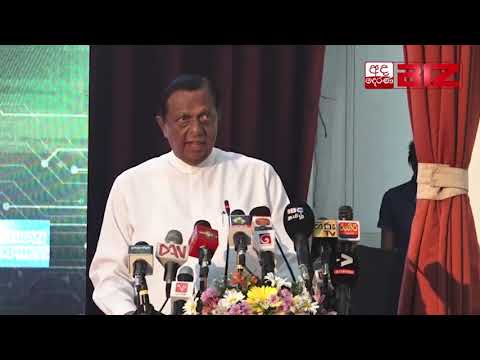
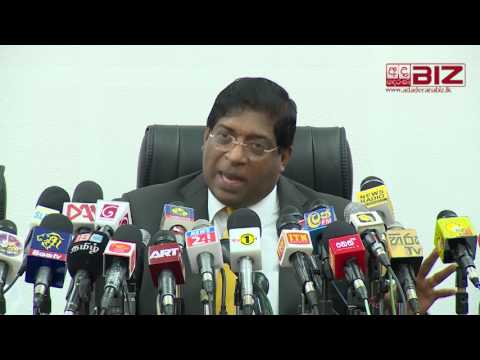
Sri Lanka’s latest Budget Proposals for 2019 presented by Finance Minister Mangala Samaraweera on Tuesday (5th March 2019) proposed that Nation Building Tax (NBT) at the rate of 3.5% will be imposed on foreign payments made using Electronic Fund Transfer Cards - both Debit and Credit cards - to purchase goods or services including offshore digital services. This will be made effective from 1st June 2019 and the Budget Proposals outlined that nearly US $ 28 million or Rs. 5 billion is expected as revenue for the Government from the new move.
“This proposal will also help address taxation of off-shore digital services” Minister Samaraweera said presenting the Budget 2019.
Further it said that in order to remove the NBT anomaly among tour operators, DMC Agencies and hoteliers who are receiving foreign currency will be adjusted.
Accordingly Stamp Duty on the usage of credit cards for foreign purchases will be removed in line with the imposition of NBT on the foreign payments.
According to analysts the new 3.5% NBT will affect thousands of Sri Lankans who make payments via Credit and Debit cards to Air-Tickets, foreign hotel bookings, and to use extra storage of Google’s gmail and other various digital services by subscribing for such services, Boost Political campaigns and various businesses through making payments to Facebook advertising services, and will affect thousands of entrepreneurs who are making money by using web services such as Yahoo, Godaddy, Wix, Amazon and a number of other services. Market analysts also outline that Sri Lanka’s political campaigns both of government parties and opposition parties have gained extra grounds among total of over 7 million active Sri Lankan Facebook and online community thanks to Politicians and their campaign supporters exorbitantly spending money that tops over thousands of Dollars per campaign to boost their Facebook fan pages and political pages during the climax period of elections.
Analysts further said that Sri Lanka’s majority of educated youth population for almost 20 years had got most of technology oriented jobs and economy has expanded thanks to an earlier effort that present Finance Minister Mangala Samaraweera has taken when he was once the Telecommunications Minister in 1994-2000 government which allowed the liberalization of Telecommunications and ICT sector by encouraging private telco operators to enter into the country. However now analysts believe that the imposition of 3.5% NBT on Credit and Debit Card payments for offshore digital services, which is the new move will discourage younger population to venture into technology sector whilst exorbitant taxes will increase the cost of technology adopting and bringing in up to date technology services at a nominal cost when the world is advancing with digital technologies.
- Reporting by Devendra Francis
Video Story