

July, 24, 2026
Today's announcement by USTR of the finality of the Section 301 investigations into countries' ability to impose and effectively enforce a prohibition on the importation of goods produced with forced labour sees 18 countries placed on a 10% tariff, with the balance of 42 countries facing a 12.5% tariff.
Initial indications were that Sri Lanka would fall into the 12.5% category, a position that would have placed the country at a real disadvantage against a number of key competitor nations.
Following Sri Lanka's submissions to the USTR earlier this month, JAAF is pleased to see that Sri Lanka is now among the countries placed on the 10% tariff rate, on par with competitors including Bangladesh, Pakistan, India, and Cambodia.
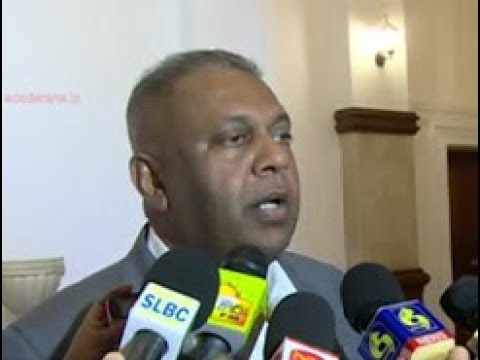
Parity of tariffs is something JAAF has consistently and actively lobbied for, and we are extremely appreciative of the efforts of His Excellency President Anura Kumara Dissanayake and the Government of Sri Lanka in ensuring that strong representations were made to the US authorities to secure this outcome. Special mention must be made of His Excellency Mahinda Samarasinghe, Sri Lanka's Ambassador to the United States, and Mr K. A. Vimalenthirajah, who, together with the teams at the Department of Commerce and our Embassy in Washington, worked tirelessly on this initiative over recent months.
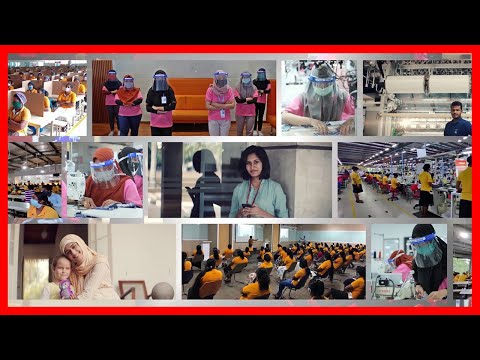
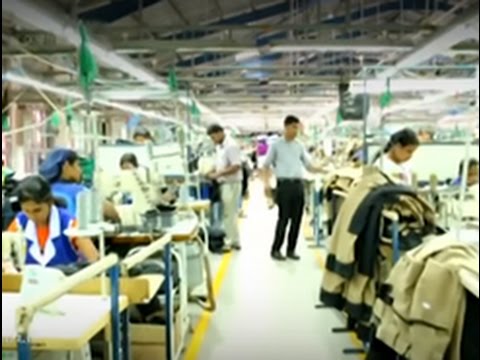
Sri Lanka's apparel industry competes in a crowded field, and even a 2.5 percentage point difference in tariff treatment can be the difference between winning and losing an order to a rival sourcing destination. Securing parity with Bangladesh, Pakistan, India, and Cambodia protects the competitiveness of an industry that remains the country's largest export earner and a major source of employment, particularly for women, across the country.
JAAF recognises that this result did not happen by chance. It reflects sustained, coordinated engagement between industry and government at every level, from the submissions made to USTR to the direct representations carried out in Washington. We view this as a strong example of what can be achieved when the private sector and government work in close partnership on issues that directly affect Sri Lanka's export competitiveness.
We remain committed to continuing this collaboration, both to safeguard the gains secured on Thursday and to ensure Sri Lanka's apparel and textile industry is well positioned to compete on a level playing field internationally.
Video Story