

October, 6, 2026
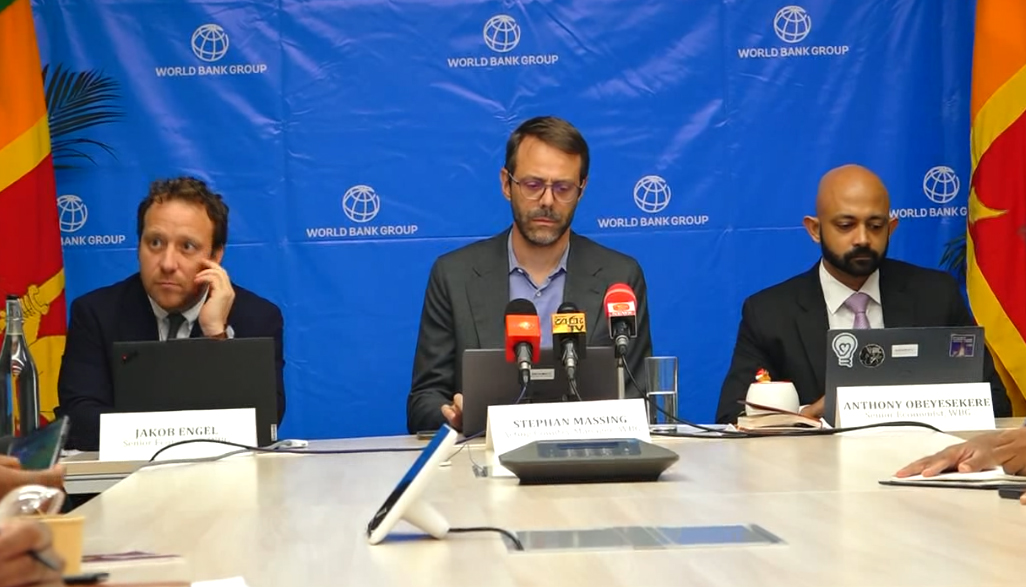
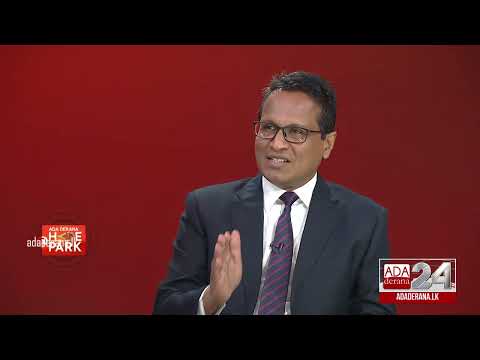
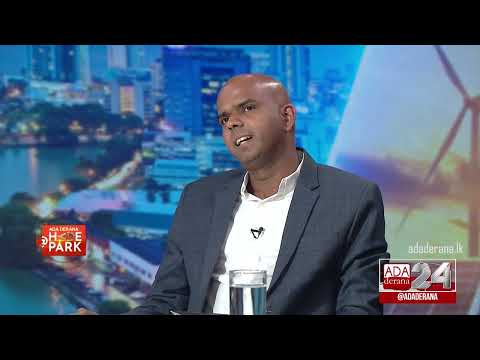
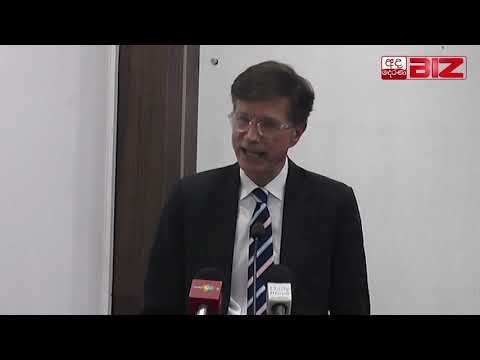
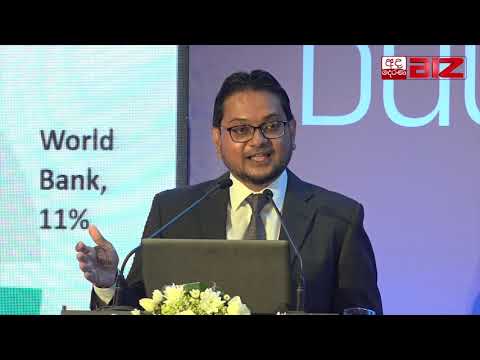
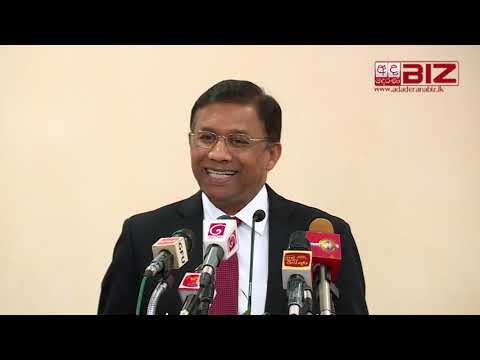
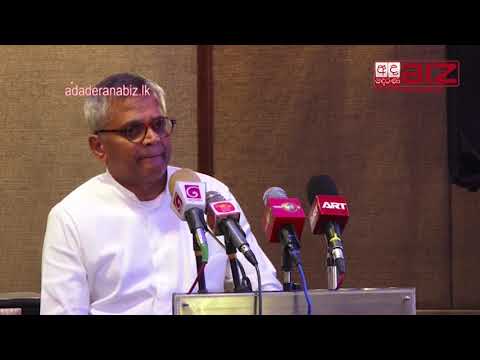
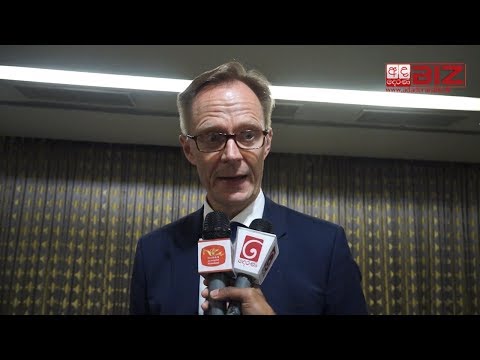
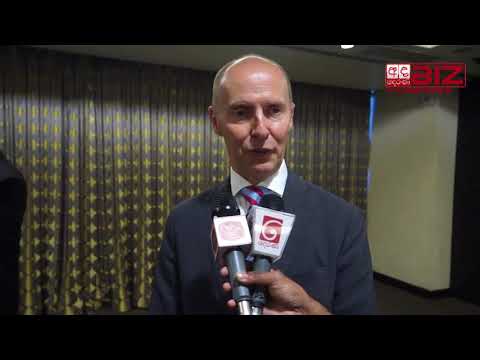
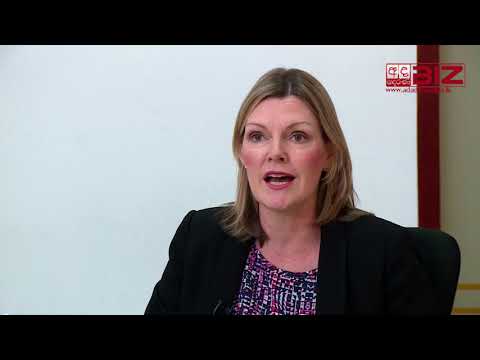
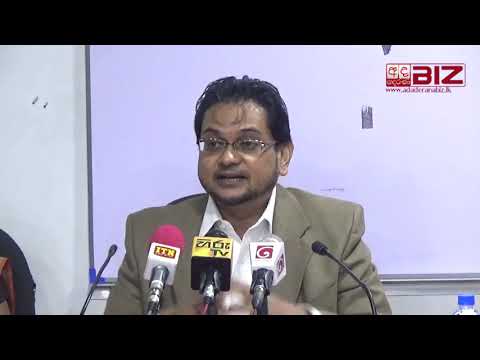
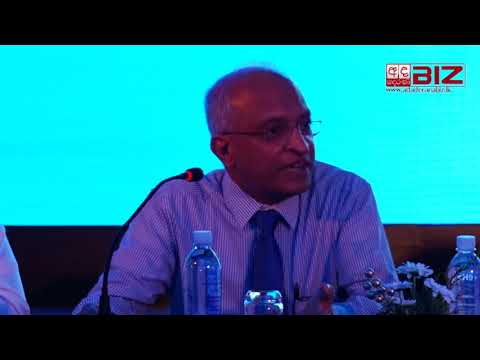
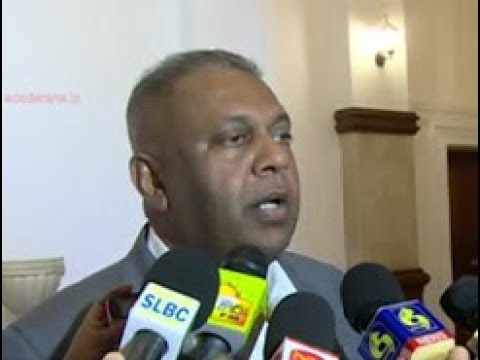
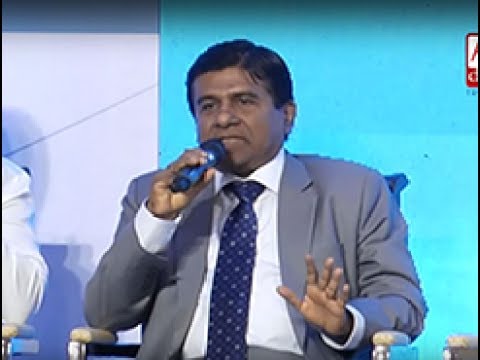
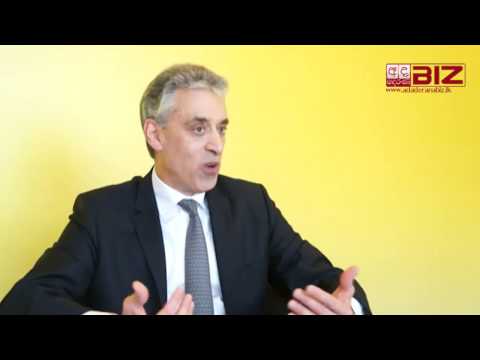
Sri Lanka’s reclassification as an upper-middle-income country marks a major milestone in its economic recovery, but comes with key trade-offs in international trade preferences and concessional financing. Speaking at the World Bank’s Briefing: Sri Lanka Development Update, Senior Economist Jakob Engel addressed the implications of the upgrade in response to questions from Ada Derana Business.
According to Engel, the return to upper-middle-income status reflects significant economic growth, a return to pre-pandemic income levels, and a strong medium-term growth outlook. The World Bank’s latest report, Sri Lanka Development Update: From Recovery to Transformation, projects the nation’s real GDP to expand by 4.4% in 2026, exceeding earlier expectations following twelve consecutive quarters of economic expansion.
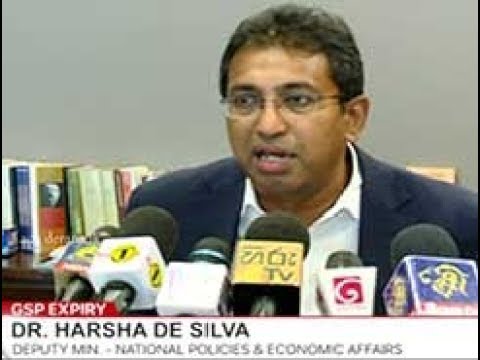
However, Engel highlighted several trade-offs associated with upper-middle-income status. Over time, key international trade and financing benefits reserved for lower-income nations will fall away, including cheaper access to loans, grant financing in the medium term, and preferential market entry under the European Union’s GSP Plus program and United Kingdom trade preference programs. Engel explained that these preferential terms are intentionally reserved for countries with higher financial need as Sri Lanka stabilizes.
Addressing concerns over immediate policy impacts, Engel clarified that income level is only one of multiple criteria used by international funding bodies. In particular, debt levels remain a crucial determinant, which explains why Sri Lanka retains access to concessional resources from the International Development Association (IDA) after transitioning from an IBRD to an IDA country. Consequently, Engel emphasized that Sri Lanka’s access to IDA resources will not change immediately based solely on the upper-middle-income reclassification.
Video Story