

March, 15, 2023

(Bloomberg) — Sri Lanka’s economic contraction probably worsened last quarter as borrowing costs at a two-decade high to quell Asia’s fastest inflation took its toll on a nation chasing a $2.9 billion bailout.
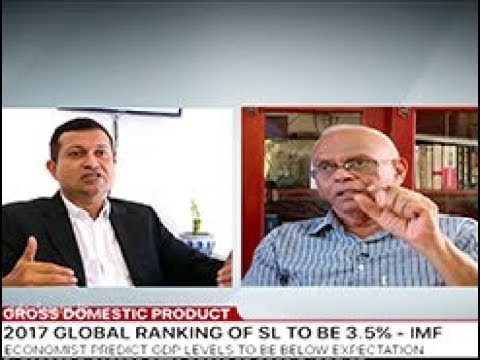
Gross domestic product fell 13.4% in the three months to December from a year ago, according to a median estimate of economists in a Bloomberg survey. That would be the biggest drop in more than two years and compares with an 11.8% slump reported for the prior quarter.
The nation’s statistics department is set to release the data around 3 p.m. local time on Wednesday.
The bankrupt island nation grappled with soaring costs, depleted funds and severe supply shortages for much of last year as it pursued a loan program with the IMF after a debt default in May.
While waiting for IMF relief, Sri Lanka repurposed funds, tightened its belt and raised interest rates to the most since 2001. By the final quarter of 2022, its economic engines had taken so much beating.
“A downturn in manufacturing, a decline in purchasing power and supply-side issues had significant impact on the economy,” said Udeeshan Jonas, chief strategist at Capital Alliance Holdings. High input costs and dollar shortage also held the economy back, he said.
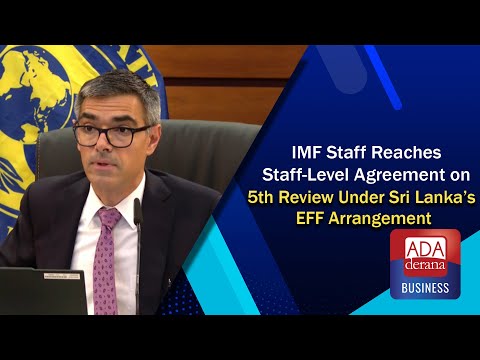
Some respite may be in sight for the $81 billion economy as the IMF plans to decide on the nation’s bailout on March 20, six months since the Fund’s staff approved the program. That would enable Sri Lanka to access more funding, set its debt restructuring on a steadier path and help put the nation’s finances in order.
What Bloomberg Economics Says…
“We expect the economy to grow 2% in 2023. The likely arrival of financial aid from the IMF by end-March would provide hard currency to increase imports of fuel and raw materials. A rebound in tourism and a favorable base effect will also help.”
—Ankur Shukla, South Asia economist
For the full note, click here
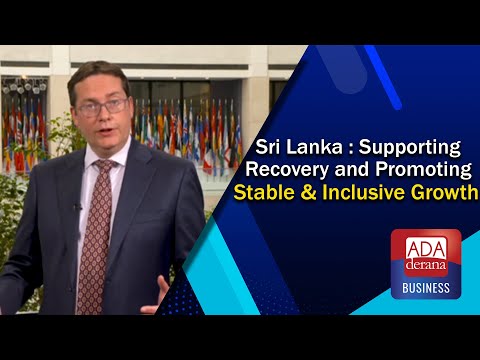
Managing Director Kristalina Georgieva said last week that “decisive policy actions” by local authorities and financing assurances from major creditors would bolster the nation’s efforts to emerge from the crisis and set it on a “trajectory of strong and inclusive growth.”
The “demand shock” will continue in the next two quarters although the rupee appreciation and the funds from IMF could help mitigate some impact, Capital Alliance’s Jonas said.
The Sri Lankan rupee is up about 12% since January, and is the world’s best performing currency so far this year, after it suffered a 45% slide in 2022.
To secure IMF’s approval, Sri Lanka had increased taxes, cut energy subsidies, returned to a more flexible exchange rate regime and further boosted its benchmark interest rate to keep a lid on inflation.
“With fiscal and monetary policy set to remain tight in the near term, we expect a tepid economic recovery ahead,” said Gareth Leather of Capital Economics Ltd.
—With assistance from Asantha Sirimanne, Tomoko Sato and Ronojoy Mazumdar.
Video Story