

May, 27, 2026
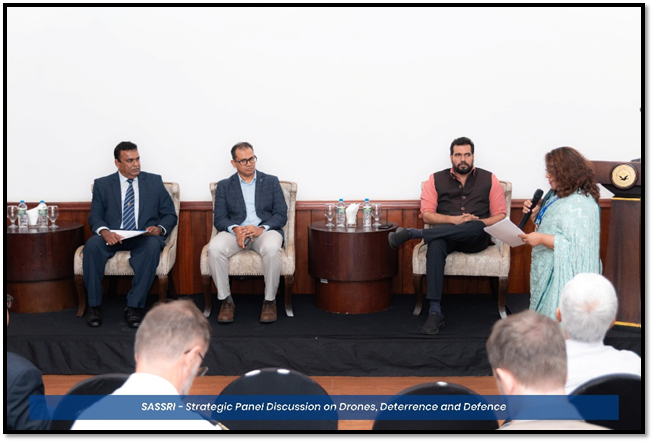
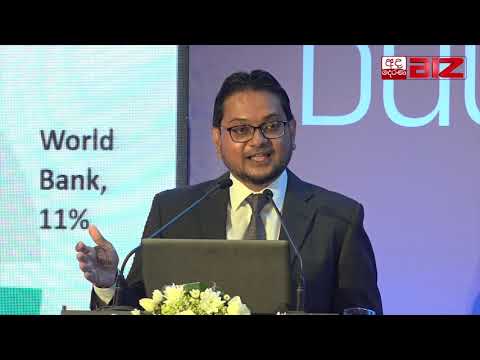
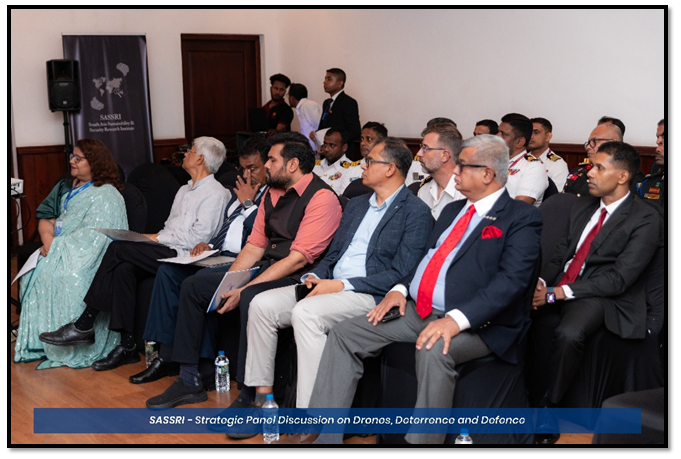
The South Asia Sustainability & Security Research Institute (SASSRI) successfully concluded its high-level Strategic Panel Discussion titled “Drones, Deterrence, and Defence: Rethinking Security Strategies for Small States with Focus on Sri Lanka” at the Royal Colombo Golf Club on 7 May 2026, bringing together an influential gathering of policymakers, defence officials, academics, legal experts, cybersecurity professionals, strategic analysts, and technology leaders.
Held at a time when emerging technologies are fundamentally reshaping global security dynamics, the forum provided a timely platform for examining how small states such as Sri Lanka can strengthen national resilience, enhance strategic preparedness, and safeguard sovereignty amid evolving geopolitical competition and technological disruption.
The discussion focused on the transformative impact of unmanned systems, artificial intelligence-driven defence technologies, cyber-enabled threats, and hybrid warfare on contemporary security frameworks. Participants explored how these developments are redefining defence planning and creating both opportunities and challenges for states operating within increasingly complex regional and global environments.
A central theme of the discussion was the growing role of Unmanned Aerial Vehicles (UAVs) in modern security and defence operations. The panel examined the strategic, operational, legal, and policy implications of drone technologies, highlighting their expanding applications in border management, intelligence gathering, maritime surveillance, disaster response, and the protection of critical national infrastructure.
The forum also underscored the importance of developing indigenous technological capabilities and fostering stronger collaboration among government institutions, defence establishments, academia, and the private sector. Speakers emphasized that effective adaptation to emerging security realities requires not only investment in advanced technologies but also robust regulatory frameworks, strategic foresight, institutional coordination, and sustained regional cooperation.
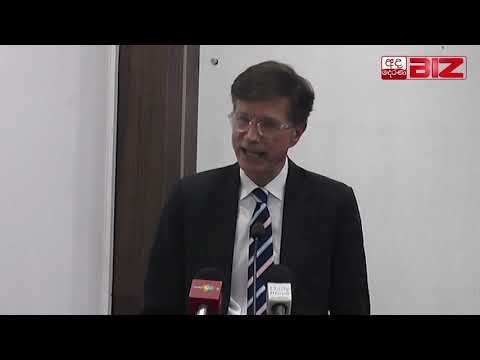
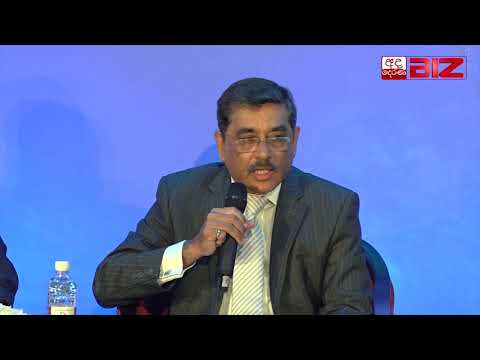
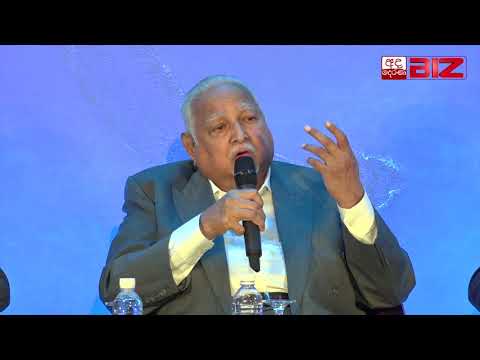
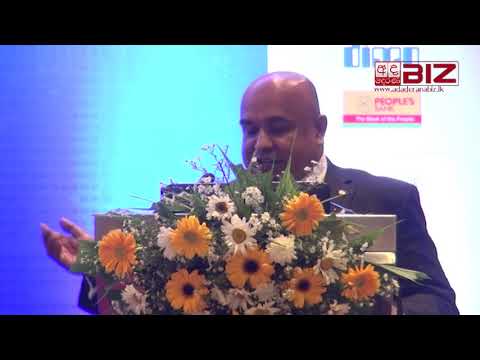
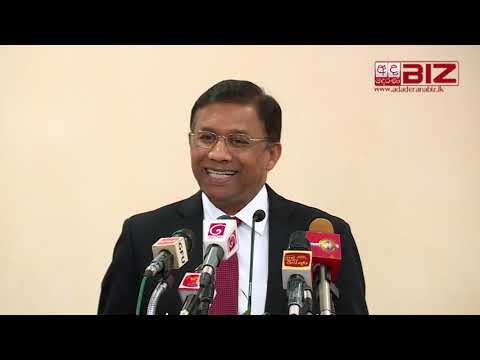
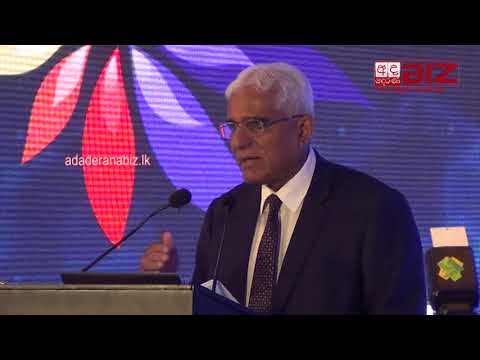
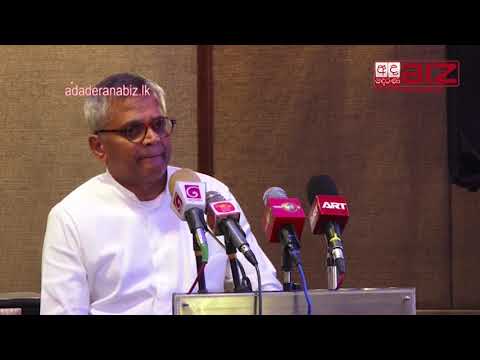
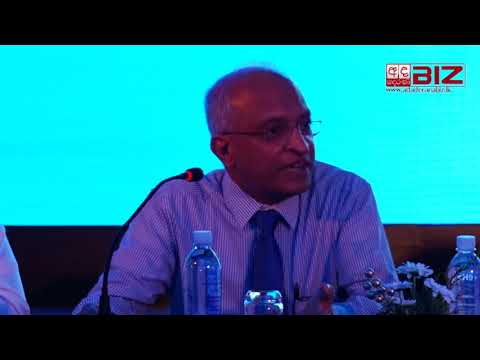
The distinguished panel featured four experts with extensive experience across defence, strategic studies, aviation, security policy, and technological innovation:
The discussion further examined the governance challenges associated with autonomous and unmanned technologies, particularly the need for evolving regulatory, ethical, and operational frameworks capable of balancing innovation with security considerations. Comparative perspectives from international security ecosystems, including developments in India and the United Arab Emirates (UAE), provided valuable insights into how different nations are responding to similar technological transformations.
Participants also engaged in substantive discussions on the increasing convergence of cybersecurity and national security. The forum highlighted how digital infrastructure protection, data integrity, and critical systems resilience have become essential components of contemporary defence strategies. The broader implications of drone technologies for both military and civilian applications were also explored, particularly their influence on operational planning, risk management, and security governance.
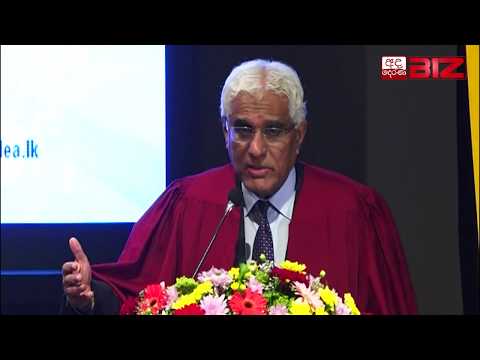
The session was expertly moderated by Professor Maneesha S. Wanasinghe-Pasqual, Board Director of SASSRI, who facilitated a dynamic and thought-provoking exchange among panelists and participants. The event commenced with contextual opening remarks by Dr. Nirmal De Silve, Board Director of SASSRI, who emphasized the importance of multidisciplinary dialogue in addressing emerging sustainability and security challenges across South Asia.
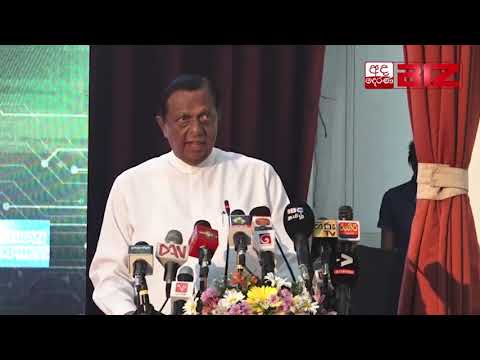
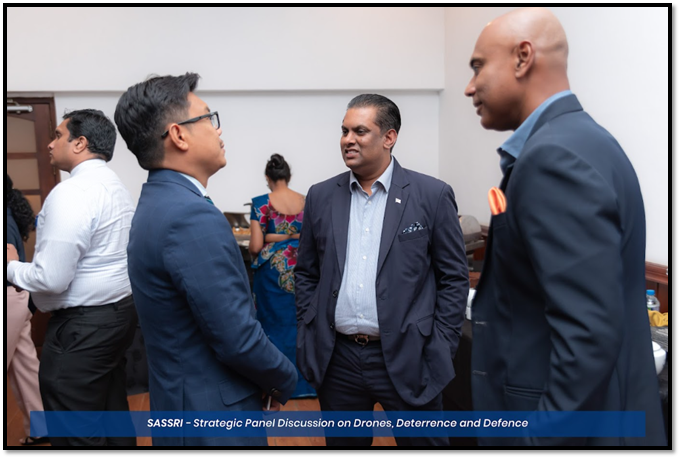
The event attracted wide participation from key government ministries, regulatory authorities, defence institutions, and strategic stakeholders. Representatives from the Ministry of Defence, Ministry of Foreign Affairs, Sri Lanka Ports Authority, and the Civil Aviation Authority of Sri Lanka joined members of the Tri-Forces and Police, alongside participants from universities, think tanks, technology institutions, diplomatic circles, and the private sector.
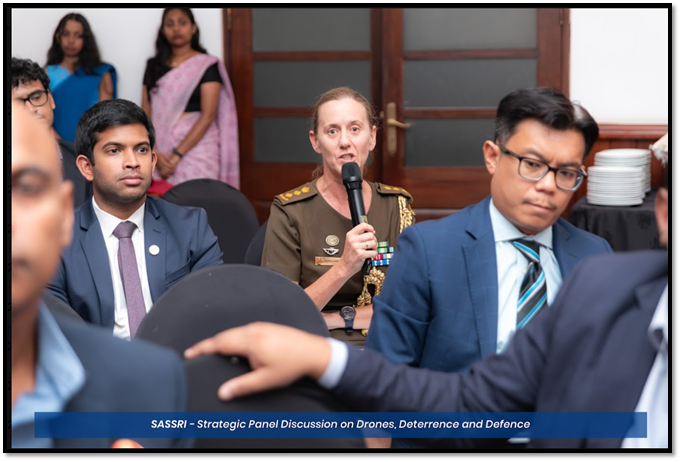
A highly interactive question-and-answer session enabled participants to engage directly with the panelists on pressing policy issues, including regulatory preparedness for UAV integration, balancing security imperatives with civil liberties, enhancing maritime and border surveillance capabilities, strengthening national cybersecurity frameworks, and the implications of artificial intelligence for future defence strategies.
The robust exchange of perspectives reflected a growing recognition that modern security challenges are increasingly multidimensional and require comprehensive whole-of-government and whole-of-society approaches.
Through this initiative, SASSRI reaffirmed its commitment to fostering informed policy dialogue, interdisciplinary research, and strategic collaboration on critical sustainability and security issues affecting Sri Lanka and the wider South Asian region. The event further reinforced the Institute’s role as a leading platform for convening diverse stakeholders to examine emerging geopolitical and technological developments with long-term strategic significance.
The discussion concluded with a shared understanding that small states must proactively adapt to evolving security challenges through innovation, stronger institutional coordination, enhanced technological capacity, and deeper regional cooperation. Participants emphasized that continued dialogue and collaborative policymaking will be essential to ensuring resilient, secure, and future-ready national security architectures in an increasingly complex world.
Video Story